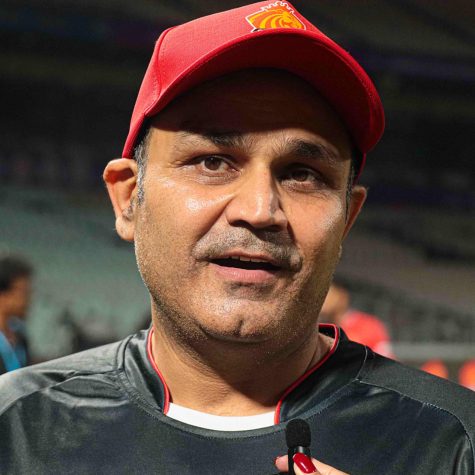
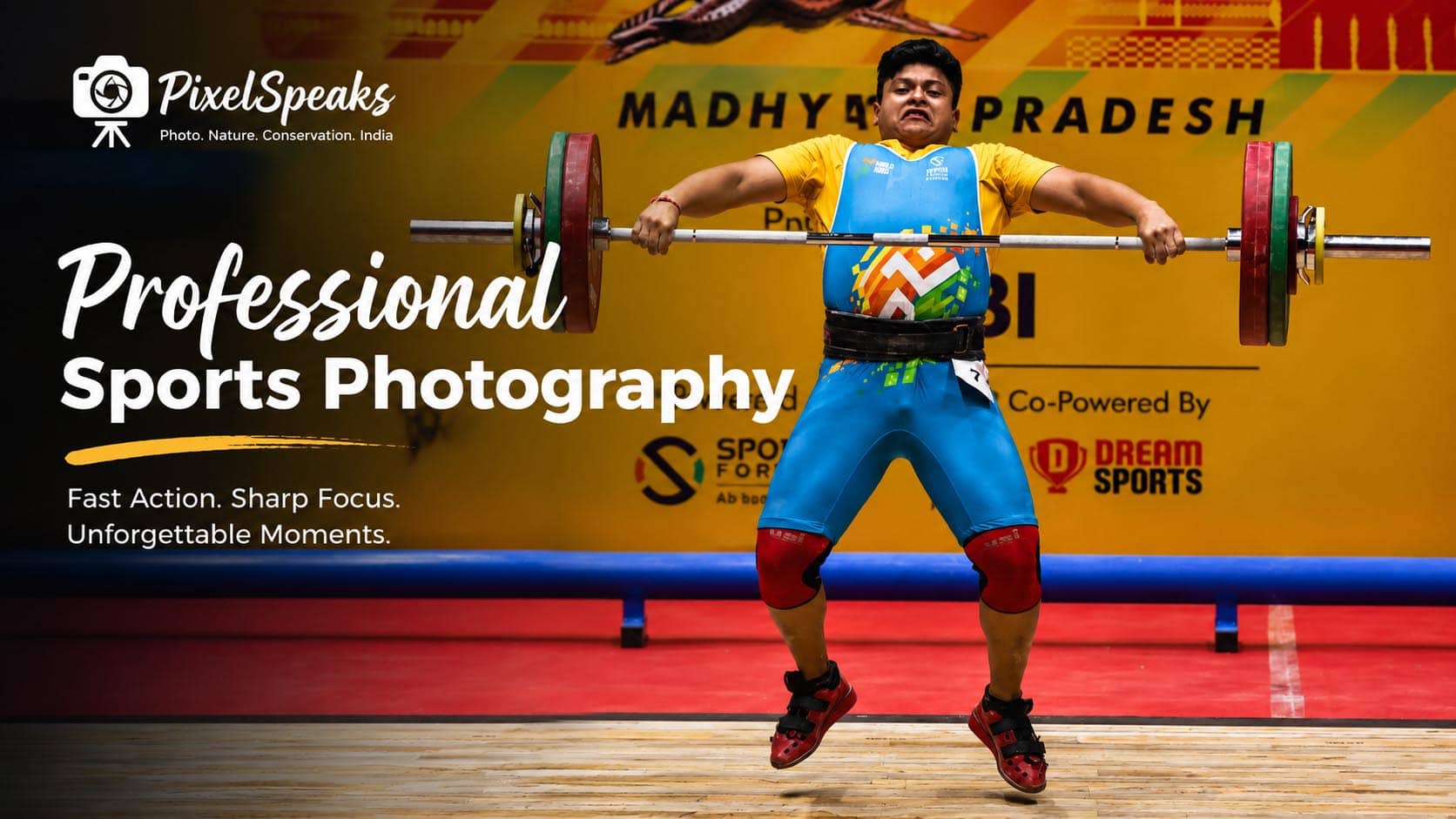
🏏 Professional Sports Photography: A Complete Guide to Capturing Action
📖 Index: Professional Sports Photography
📷 Quick Navigation
- 🏟️ Introduction
- 📷 What Is Professional Sports Photography?
- 🎯 Why Timing Matters in Sports Photography
- ⚙️ Essential Camera Settings for Sports Photography
- 🔭 Choosing the Right Lens for Sports Photography
- ⚡ Autofocus Techniques for Professional Sports Photography
- 🏟️ Understanding Position and Shooting Angles
- 🎨 Composition Techniques for Sports Photography
- 💡 Lighting for Professional Sports Photography
- 🏃 Capturing Different Types of Sports
- 🏋️ Photographing Indoor and Low-Light Sports
- 🌧️ Outdoor Sports in Difficult Weather
- 🧠 Anticipation: The Secret Behind Great Sports Photographs
- 🎞️ Freezing Action vs Showing Motion
- 📸 Burst Mode and Frame Selection
- 🧑💻 Post-Processing Sports Photographs
- 🗃️ Organizing and Managing Sports Photography Files
- 🎒 Essential Sports Photography Equipment
- 🛡️ Safety and Ethics in Sports Photography
- 💼 Building a Career in Professional Sports Photography
- 💰 Professional Sports Photography Services
- 🔥 Common Mistakes in Sports Photography
- 🧪 Practical Exercises to Improve Sports Photography
- 📱 Can You Do Professional Sports Photography With a Smartphone?
- 🌟 How to Create More Powerful Sports Photographs
- 🏆 Professional Sports Photography Workflow
- 📸 Tips for Better Professional Sports Photography
- 🌍 The Future of Professional Sports Photography
- ❓ Frequently Asked Questions (FAQs)
- 🏁 Conclusion: Mastering Professional Sports Photography
🏆 Introduction

Professional sports photography combines technical skill, timing, creativity, and a strong understanding of sports. A great sports photograph does more than freeze movement. It captures effort, emotion, tension, and victory in one frame.
Sports photographers work in fast-changing environments. Athletes move quickly and lighting can change within seconds. Backgrounds may become distracting. Important moments can happen without warning.
Therefore, preparation matters as much as camera skill.
Whether you photograph football, cricket, athletics, basketball, wrestling, swimming, or motorsports, the fundamentals remain similar. You need fast autofocus, suitable lenses, correct exposure, and excellent timing.
You also need patience.
The best sports photographs often come from moments that last only a fraction of a second. A powerful jump, emotional celebration, intense expression, or dramatic finish can create an unforgettable image.
This guide explains the essential techniques behind professional sports photography. You will learn about equipment, camera settings, lenses, composition, lighting, positioning, autofocus, and ethical practices.
You will also discover practical ways to improve your action photography.
📸 The goal is simple: capture the moment before it disappears.
📷 What Is Professional Sports Photography?

Professional sports photography focuses on capturing athletes, competitions, and sporting events with technical precision and visual storytelling.
Unlike casual sports photography, professional work demands consistency. You may need to deliver hundreds of sharp photographs from one event.
Every frame should communicate something meaningful.
A professional sports photographer studies the sport before pressing the shutter. Understanding the game helps predict important moments.
⚡ Key Characteristics
Professional sports photography usually involves:
- ⚡ Fast-moving subjects
- 🎯 Precise autofocus
- 📸 High-speed continuous shooting
- 🔭 Long telephoto lenses
- 💡 Challenging lighting
- 🧠 Anticipation and timing
- 🎨 Strong composition
- ❤️ Emotional storytelling
The photographer must react quickly.
However, reaction alone is not enough. Anticipation separates experienced photographers from beginners.
A photographer who understands the sport can predict where an athlete will move. This allows better positioning and more accurate framing.
🏅 More Than Action
Sports photography is not limited to athletic movement.
It also includes:
- Athlete portraits
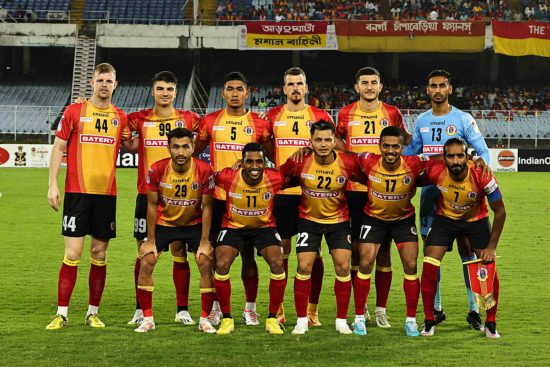
- Team photographs
- Crowd reactions
- Celebrations
- Pre-game preparation
- Post-game emotions
- Coaches and officials
- Behind-the-scenes moments
- Details of equipment and venues
These images create a complete visual story.
🎯 Why Timing Matters in Sports Photography

Timing is one of the most important skills in sports photography.
A dramatic sporting moment may last less than one second. Missing that moment can mean losing the strongest photograph of the event.
Modern cameras offer fast continuous shooting. However, relying only on burst mode can produce thousands of unnecessary frames.
Good timing begins with anticipation.
🧠 Learn the Sport
Study how athletes move.
For example, a long jumper follows a predictable sequence. A weightlifter prepares before lifting. A football player may look toward a teammate before passing.
These patterns provide photographic clues.
⏱️ Anticipate the Peak Moment
The peak moment usually contains the strongest visual impact.
Examples include:
- 🏃 The instant an athlete leaves the ground
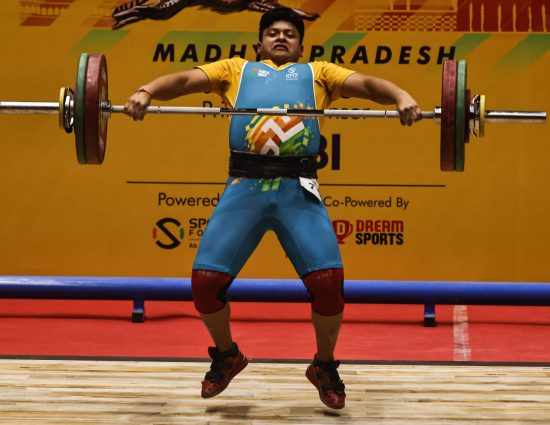
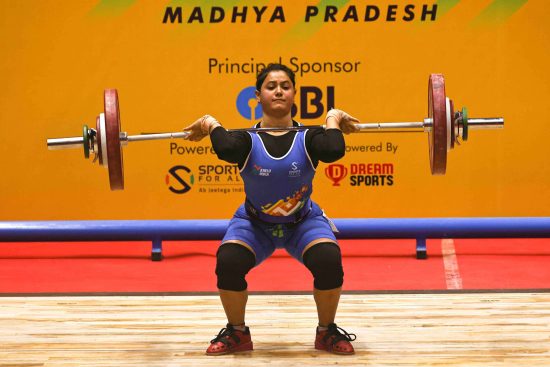
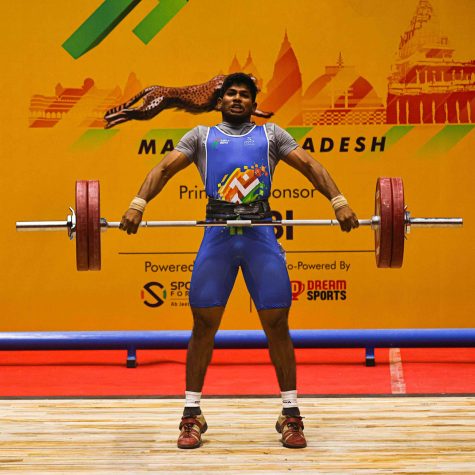
- 🏋️ The moment a weight reaches its highest point
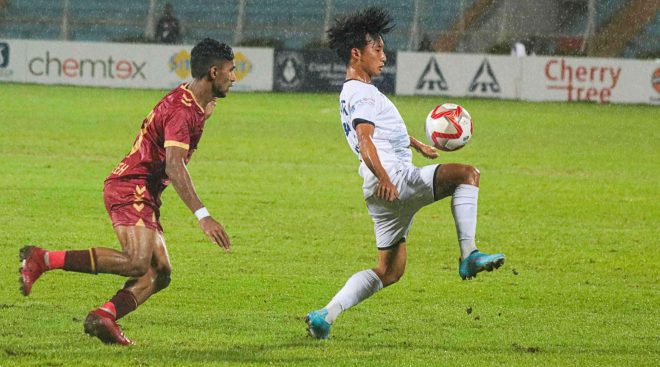
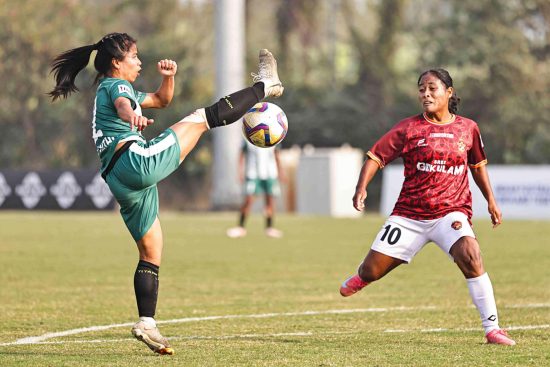
- ⚽ The instant a football meets the ball
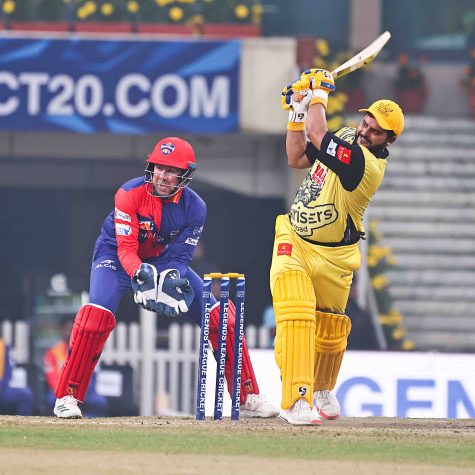
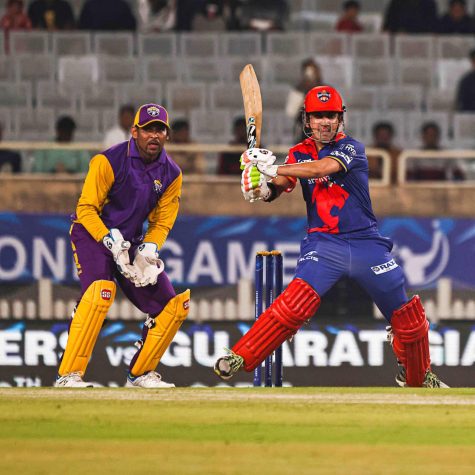
- 🏏 The moment a batsman connects
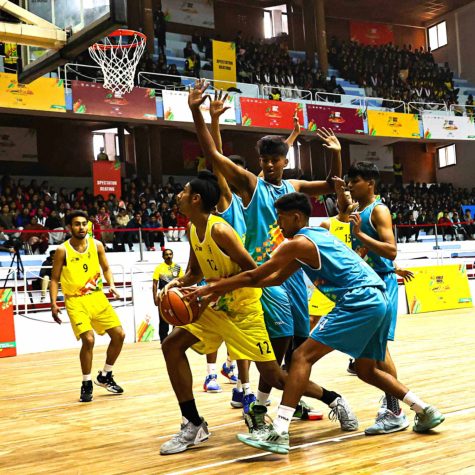
- 🏀 The release of a basketball shot
- 🥇 The celebration after winning
Watch the action before it reaches its peak.
Then press the shutter at the right moment.
📸 Use Burst Shooting Carefully
Continuous shooting can help capture unpredictable movement.
However, use it strategically.
Follow the athlete and maintain your composition. Start shooting shortly before the expected action.
This approach gives you several frames without creating an unnecessary mountain of files.
⚙️ Essential Camera Settings for Sports Photography
Camera settings have a major effect on sports photographs.
Fast movement requires a different approach from landscape or portrait photography.
Your settings should prioritize shutter speed and autofocus performance.
⚡ Recommended Starting Settings
| Setting | Suggested Starting Point |
|---|---|
| Shutter Speed | 1/1000 sec or faster |
| Aperture | f/2.8–f/5.6 |
| ISO | Auto ISO or suitable manual value |
| Autofocus | Continuous AF |
| Drive Mode | High-speed continuous |
| Metering | Evaluative/Matrix |
| File Format | RAW |
These are starting points, not fixed rules.
🏃 Shutter Speed
A fast shutter speed freezes athletic movement.
Try:
- 1/500 sec: slower action
- 1/1000 sec: general sports
- 1/1600 sec: very fast action
- 1/2000 sec or faster: extreme movement
Faster shutter speeds require more light.
Therefore, ISO may need to increase.
🔆 Aperture
A wide aperture lets more light reach the sensor.
It also creates background separation.
An aperture around f/2.8 to f/4 works well for many professional sports photographs.
However, f/5.6 can provide more depth of field.
This can help when multiple athletes move unpredictably.
🌙 ISO
Indoor venues often require higher ISO values.
Modern cameras handle high ISO better than older models. However, excessive ISO can still reduce detail.
Use the lowest practical ISO for the lighting conditions.
🔭 Choosing the Right Lens for Sports Photography

Lens selection can dramatically influence your sports photographs.
The right lens depends on the sport, venue, distance, and available light.
🏟️ Telephoto Lenses
Telephoto lenses are essential for many sporting events.
Popular focal lengths include:
- 70–200mm
- 100–400mm
- 200–500mm
- 300mm
- 400mm
- 600mm
A 70–200mm lens works well for indoor sports and close sidelines.
A 100–400mm lens offers greater flexibility outdoors.
Longer lenses help isolate distant athletes.
🌟 Fast Aperture Lenses
Professional photographers often prefer lenses with wide maximum apertures.
An f/2.8 lens offers several advantages.
It allows faster shutter speeds in poor light. It also creates attractive background separation.
However, fast lenses can be expensive and heavy.
📸 Prime vs Zoom
Prime lenses often provide excellent sharpness and large apertures.
Zoom lenses offer greater framing flexibility.
Choose according to your assignment.
For unpredictable movement, flexibility can be more valuable than maximum aperture.
⚡ Autofocus Techniques for Professional Sports Photography

Autofocus performance is critical during fast action.
A perfectly exposed photograph is useless if the athlete is blurry.
Continuous autofocus helps maintain focus on moving subjects.
Different camera systems use different names. These may include AF-C, Servo AF, or tracking AF.
🔍 Use Continuous Autofocus
Select continuous autofocus for moving athletes.
The camera continually adjusts focus as the subject moves.
This works particularly well with:
- 🏃 Running
- 🚴 Cycling
- 🏊 Swimming
- ⚽ Football
- 🏀 Basketball
- 🏏 Cricket
- 🏎️ Motorsport
🎯 Choose the Right Focus Area
Automatic subject tracking can work extremely well.
However, it may struggle in crowded scenes.
Use a smaller focus area when several athletes overlap.
Use tracking when the athlete remains visually separated.
👁️ Eye Detection
Modern cameras often provide animal and human eye detection.
Human eye detection can help with athlete portraits and close action.
However, always monitor the focus point.
Do not assume the camera will make every decision correctly.
🏟️ Understanding Position and Shooting Angles

Your position can completely change the appearance of a sports photograph.
Moving only a few metres may create a stronger background or cleaner composition.
📍 Choose Your Position Carefully
Before the event begins, study the venue.
Look for:
- Clean backgrounds
- Interesting light
- Athlete entrances
- Finish lines
- Goal areas
- Team benches
- Celebration zones
- Safe shooting positions
Avoid distracting objects behind the athlete.
Bright signs, poles, and random spectators can weaken an otherwise strong photograph.
⬇️ Shoot From a Low Angle
A low angle can make athletes appear powerful.
It works particularly well for:
- Sprinting
- Football
- Weightlifting
- Basketball
- Athletics
Keep the camera low without entering restricted areas.
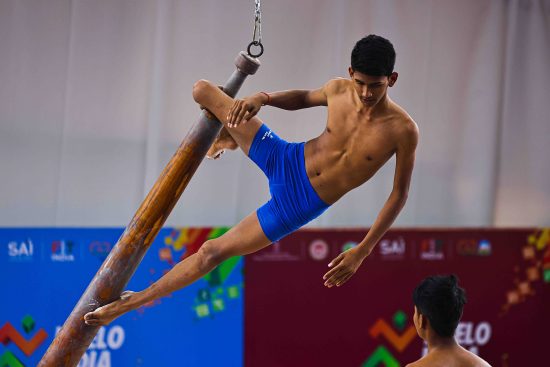
⬆️ Try Elevated Positions
An elevated viewpoint can reveal patterns.
It works beautifully for:
- Swimming pools
- Cycling races
- Team formations
- Stadium crowds
- Track events
Different perspectives create visual variety.
🎨 Composition Techniques for Sports Photography

Composition turns action into visual storytelling.
A technically sharp photograph can still feel ordinary if the composition is weak.
➡️ Use Negative Space
Leave space in front of a moving athlete.
This creates visual direction.
For example, a runner moving toward the right side should often have space on the right.
This technique gives the viewer a sense of movement.
📐 Apply the Rule of Thirds
Place the athlete near one of the imaginary grid lines.
This creates a balanced composition.
However, do not follow the rule blindly.
Strong photographs can break traditional composition rules.
🔥 Fill the Frame
Use a longer lens to isolate the athlete.
Filling the frame emphasizes:
- Facial expressions
- Physical effort
- Equipment
- Body movement
- Emotional reactions
👥 Include the Environment
Sometimes the surroundings tell an important story.
Show the stadium, crowd, track, or venue when it adds context.
The best composition depends on the story you want to tell.
💡 Lighting for Professional Sports Photography

Lighting can transform an ordinary sports photograph.
Outdoor events may provide beautiful natural light. Indoor venues often present more difficult conditions.
☀️ Outdoor Sports
Early morning and late afternoon can provide softer light.
Midday sunlight creates stronger shadows.
Cloudy conditions can produce soft, even illumination.
Always monitor the direction of the light.
Backlighting can create dramatic effects.
Side lighting can emphasize texture and muscle definition.
🏟️ Indoor Sports
Indoor venues often have mixed or artificial lighting.
Some venues use LED lights. Others use fluorescent or older lighting systems.
White balance may become challenging.
Shoot RAW whenever possible.
RAW files provide greater flexibility during editing.
⚡ Flash Photography
Flash may be restricted at many sporting events.
Always follow event rules.
Never use flash if it could distract athletes.
For professional assignments, venue permissions should be confirmed beforehand.
🏃 Capturing Different Types of Sports

Every sport presents unique photographic challenges.
Understanding those differences improves your results.
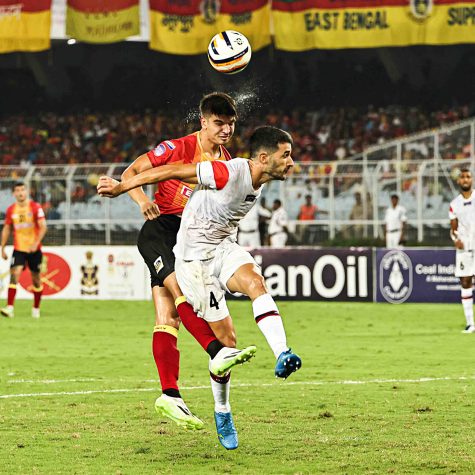
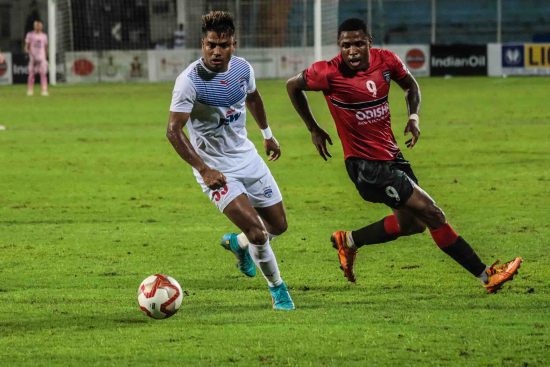
⚽ Football and Soccer
Focus on:
- Goal attempts
- Tackles
- Celebrations
- Player reactions
- Goalkeeper saves
- Team interactions
Use a telephoto lens from a safe position.
Track the ball and important players.
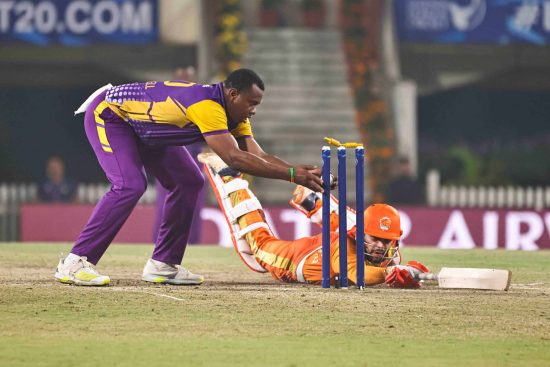
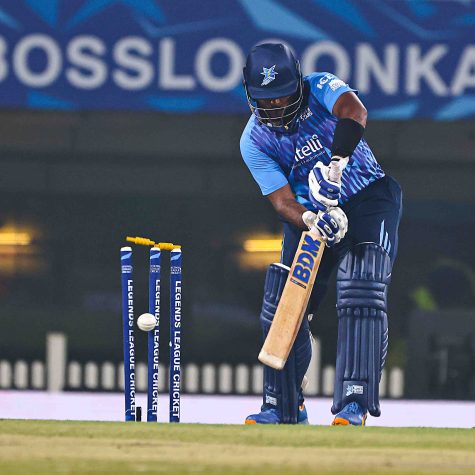
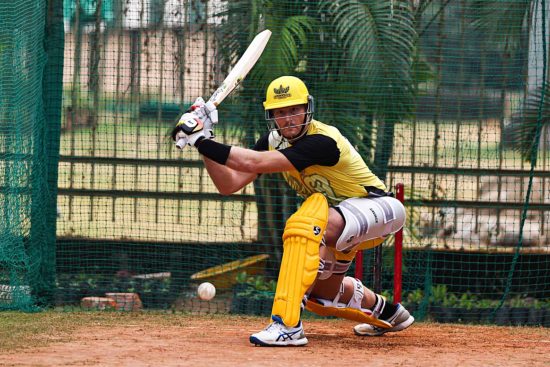
🏏 Cricket
Cricket offers many photographic opportunities.
Capture:
- Bat impact
- Bowling action
- Fielding dives
- Wicket celebrations
- Player reactions
- Crowd responses
A fast shutter speed helps freeze the ball.
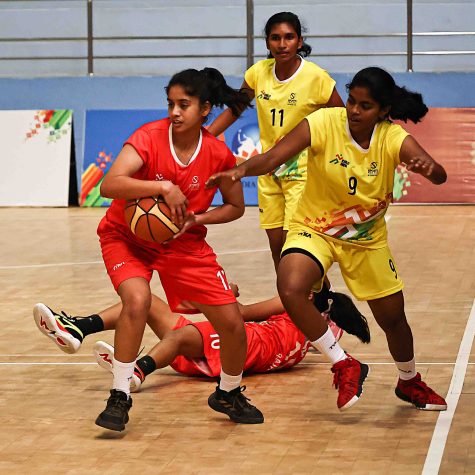
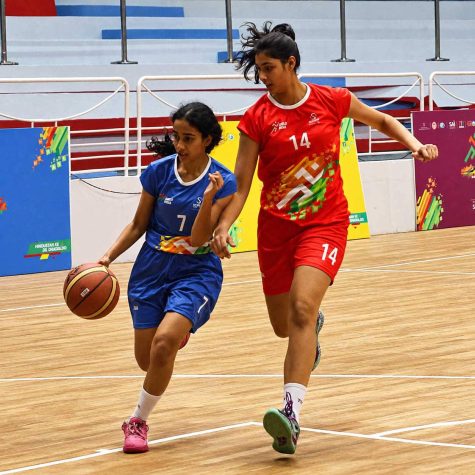
🏀 Basketball
Basketball moves quickly.
Watch the area around the basket.
Strong moments include:
- Dunks
- Blocks
- Rebounds
- Shots
- Celebrations
- Defensive reactions
A 70–200mm lens can work well from many courtside positions.
🏃 Athletics
Athletics provides clean compositions.
Runners, jumpers, and throwers often move through predictable areas.
Pre-focus and anticipate the peak action.
🏋️ Photographing Indoor and Low-Light Sports

Indoor sports photography demands careful exposure management.
Venues may appear bright to your eyes. However, cameras often see them differently.
You may need higher ISO settings.
⚙️ Practical Settings
Start with:
- Shutter speed around 1/800 sec
- Aperture around f/2.8–f/4
- Auto ISO
- Continuous autofocus
- High-speed burst mode
Adjust these settings after checking your first photographs.
🔆 Watch the Exposure
Dark clothing can confuse automatic exposure.
Bright backgrounds can also create problems.
Check the histogram when possible.
Protect important highlights.
You can recover some shadow detail from RAW files. Blown highlights are harder to recover.
🎯 Prioritize the Athlete
Do not expose perfectly for the entire venue.
Your primary subject should receive the correct exposure.
A darker background can actually improve subject separation.
🌧️ Outdoor Sports in Difficult Weather

Weather can create challenges and opportunities.
Rain, fog, snow, dust, and harsh sunlight can change the atmosphere completely.
🌧️ Rain
Rain can add energy to sports photographs.
Water droplets become visible at faster shutter speeds.
Protect your camera and lens.
Use appropriate rain covers when necessary.
🌫️ Fog
Fog can create atmospheric backgrounds.
It also reduces contrast.
Increase contrast carefully during editing.
☀️ Harsh Sunlight
Strong sunlight can produce hard shadows.
Use exposure compensation when needed.
Look for angles where sha
💨 Wind and Dust
Outdoor sports can create dust clouds and flying debris.
These details can make action photographs more dramatic.
However, protect your equipment from dust and m
🧠 Anticipation: The Secret Behind Great Sports Photographs

Technical equipment cannot replace anticipation.
Experienced sports photographers constantly predict what will happen next.
Professional photographers study body language closely.
Careful observation of positioning helps them predict movement.
A strong understanding of the sport’s rhythm improves timing.
👀 Watch Before Shooting
Do not keep your eye permanently glued to the viewfinder.
Watch the competition first.
Identify patterns.
Then predict where the important action will happen.
🔮 Predict the Peak
Ask yourself:
“What is likely to happen next?”
A striker approaching the goal may create an opportunity.
A sprinter leaning forward may accelerate.
A weightlifter preparing for a lift may reach peak effort moments later.
Anticipation gives you a head start.
🏆 Capture Emotion
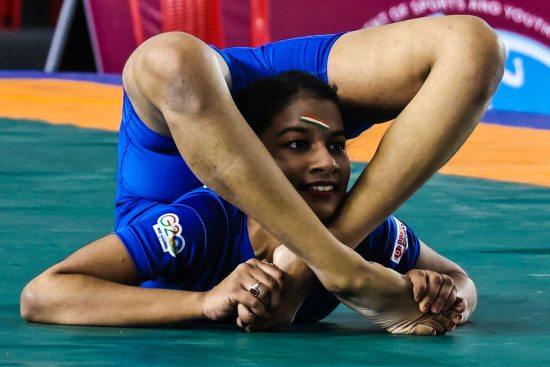
Sports photography is not only about physical movement.
Emotion creates powerful storytelling.
Look for:
- 😮 Concentration
- 😤 Effort
- 😭 Disappointment
- 😄 Celebration
- 🥇 Victory
- 🤝 Sportsmanship
These moments often become the most memorable photographs.
🎞️ Freezing Action vs Showing Motion

Not every sports photograph needs a frozen subject.
Sometimes motion creates a stronger photograph.
⚡ Freeze the Action
Use fast shutter speeds to capture precise moments.
This approach works well for:
- Ball impact
- Jumping
- Water splashes
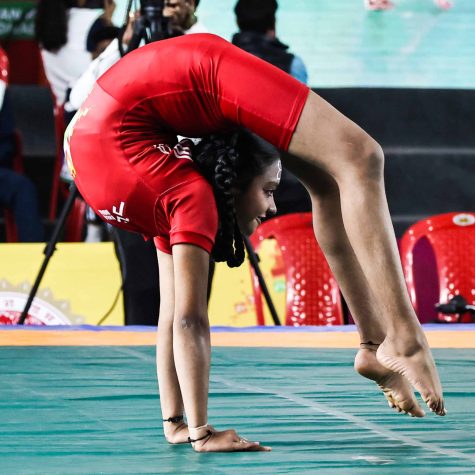
- Explosive movements
- Facial expressions
A shutter speed around 1/1000 sec is a useful starting point.
🌀 Create Motion Blur
Slower shutter speeds can communicate movement.
Try around 1/30 to 1/125 sec.
The correct speed depends on the subject.
Panning is particularly useful.
Move your camera with the athlete.
Press the shutter while following the movement.
The athlete can remain relatively sharp while the background becomes blurred.
🎨 Experiment
Do not photograph every frame with the same technique.
Mix frozen action with motion blur.
This creates a more varied photo collection.
📸 Burst Mode and Frame Selection
High-speed burst shooting is extremely useful.
However, more photographs do not automatically mean better photographs.
🔥 Shoot With Purpose
Start your burst shortly before the important moment.
Stop after the action finishes.
This reduces unnecessary frames.
🗂️ Select Carefully
During editing, look for:
- Sharp eyes
- Strong body position
- Clean background
- Peak action
- Good composition
- Natural expressions
- Strong storytelling
Avoid keeping multiple nearly identical photographs.
A smaller collection of stronger images is easier to manage.
⭐ Find the Decisive Frame
Sometimes one frame contains everything.
The athlete may have the perfect expression.
The ball may sit in the ideal position.
The body may form a powerful shape.
This is the frame worth keeping.
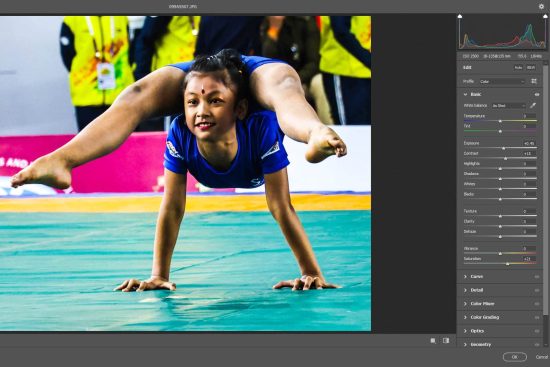
🧑💻 Post-Processing Sports Photographs

Editing is an important part of professional sports photography.
However, editing should improve the photograph rather than change reality.
🖥️ Basic Adjustments
Start with:
- Exposure
- Contrast
- Highlights
- Shadows
- White balance
- Clarity
- Sharpness
- Noise reduction
Make adjustments carefully.
Over-processing can create unnatural skin and excessive sharpening.
🎨 Crop With Purpose
Cropping can improve composition.
Remove distracting edges.
Maintain enough space around moving athletes.
Avoid excessive cropping when image quality is limited.
🔍 Sharpening
Sports photographs often benefit from careful sharpening.
Pay particular attention to the athlete’s face and eyes.
Apply noise reduction before aggressive sharpening.
🎯 Keep Colors Natural
Sporting venues often contain strong colors.
Do not increase saturation excessively.
Natural colors usually create a more professional appearance.
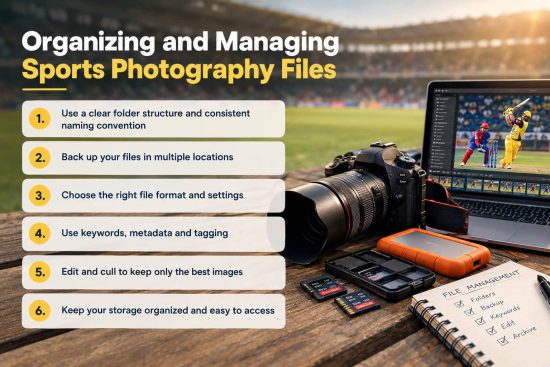
🗃️ Organizing and Managing Sports Photography Files

Professional assignments can produce thousands of photographs.
Good file management saves time.
📁 Create a Clear Folder Structure
For example:
Sports Event → Date → Camera → Selected → Final
Use consistent naming.
Add event information when appropriate.
⭐ Rate Your Images
Use a simple rating system.
For example:
- ⭐ 1 star — review later
- ⭐⭐ 2 stars — usable
- ⭐⭐⭐ 3 stars — strong
- ⭐⭐⭐⭐ 4 stars — excellent
- ⭐⭐⭐⭐⭐ 5 stars — portfolio quality
This makes selection faster.
💾 Back Up Everything
Never depend on one storage device.
Maintain multiple copies of important assignments.
A practical approach includes:
- 💻 Working drive
- 💾 External backup
- ☁️ Cloud or off-site backup
Memory cards can fail.
Hard drives can fail.
Backups protect your work.
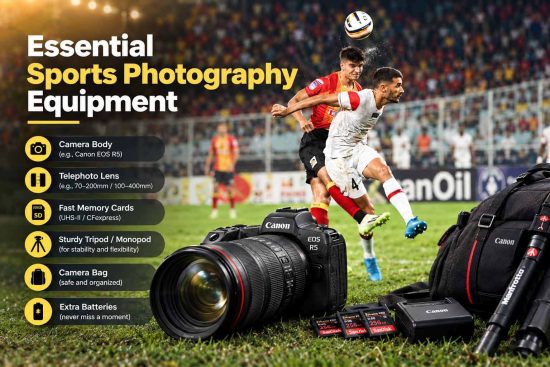
🎒 Essential Sports Photography Equipment

You do not need every expensive camera accessory.
Start with equipment that solves your actual problems.
📷 Camera
Choose a camera with:
- Fast autofocus
- High burst rate
- Good high-ISO performance
- Reliable tracking
- Large buffer
- Comfortable controls
🔭 Lenses
A useful professional kit may include:
- 24–70mm for wider scenes
- 70–200mm for general action
- 100–400mm for distant subjects
- 300mm or longer for specialist work
🎒 Accessories
Useful accessories include:
- Extra batteries
- Multiple memory cards
- Monopod
- Rain cover
- Lens cloth
- Protective bag
- Portable storage
- Spare camera body
A monopod can reduce fatigue when using heavy telephoto lenses.
🛡️ Safety and Ethics in Sports Photography
Sports photographers must respect athletes, organizers, and venue rules.
Never enter restricted areas for a photograph.
Your photograph is never more important than safety.
🚧 Follow Venue Rules
Respect:
- Media boundaries
- Restricted zones
- Photographer positions
- Flash restrictions
- Accreditation requirements
- Athlete privacy
🤝 Respect the Athletes
Do not interfere with competitors.
Avoid distracting athletes during critical moments.
Be especially careful during emotional situations.
📜 Understand Usage Rights
Professional sports events may have specific photography policies.
Some events restrict commercial usage.
Others require media accreditation.
Always understand the terms before publishing photographs commercially.
🌱 Practice Responsible Photography
Good sports photography should never compromise safety.
Respect creates better relationships with athletes and organizers.
💼 Building a Career in Professional Sports Photography

A successful sports photography career requires more than camera skills.
You also need communication, consistency, networking, and business knowledge.
📚 Build Your Portfolio
Create a focused portfolio.
Include different types of photographs.
Show:
- Action
- Emotion
- Portraits
- Team moments
- Details
- Environmental images
- Difficult lighting situations
Choose quality over quantity.
🤝 Network With Sports Organizations
Connect with:
- Local clubs
- Schools
- Colleges
- Sports academies
- Event organizers
- Newspapers
- Magazines
- Athletes
- Sports agencies
Start locally.
Smaller events can provide valuable experience.
🌐 Create an Online Presence
Your website should clearly display your strongest photographs.
Organize your portfolio by sport.
Make contact information easy to find.
Include a professional biography.
Social media can also help showcase recent work.
💰 Professional Sports Photography Services

Sports photographers can work across several markets.
Different clients have different requirements.
🏆 Event Photography
Event organizers may need complete coverage.
This can include opening ceremonies, competitions, awards, and crowd reactions.
📰 Editorial Photography
Newspapers and magazines often require timely images.
Editorial photography demands strong storytelling.
Photographs must also follow publication requirements.
📣 Commercial Sports Photography
Brands may hire photographers for advertising campaigns.
These assignments often require controlled lighting and planned compositions.
👤 Athlete Portraits
Athletes need professional portraits for:
- Websites
- Sponsorships
- Social media
- Media profiles
- Promotional campaigns
Portrait sessions require a different approach from live action.
🔥 Common Mistakes in Sports Photography

Learning from mistakes can accelerate your progress.
Many beginners focus heavily on equipment.
Technique matters more.
❌ Using a Slow Shutter Speed
Slow shutter speeds can create unwanted blur.
Use a faster shutter when the goal is to freeze action.
❌ Ignoring the Background
A great athlete can still produce a weak photograph if the background is distracting.
Check the entire frame.
❌ Using Only Burst Mode
Burst shooting cannot replace timing.
Learn to anticipate the action.
❌ Standing in One Position
Changing your position can dramatically improve your photographs.
Explore safe shooting angles.
❌ Underestimating Light
Lighting can change quickly.
Monitor exposure throughout the event.
❌ Oversharpening
Excessive sharpening creates harsh edges.
Use moderate sharpening and noise reduction
❌ Ignoring Emotion
Action photographs are powerful.
Emotional moments often tell the deeper story.
🧪 Practical Exercises to Improve Sports Photography

Practice creates confidence.
You do not need major competitions to improve.
🎯 Exercise 1: Track a Moving Subject
Photograph a cyclist or runner.
Keep the athlete in the same area of the frame.
Practice tracking smoothly.
⚡ Exercise 2: Test Shutter Speeds
Photograph the same action at:
- 1/250 sec
- 1/500 sec
- 1/1000 sec
- 1/2000 sec
Compare the results.
Notice how movement changes.
🌀 Exercise 3: Practice Panning
Use a slower shutter speed.
Follow a moving athlete.
Keep the camera moving during exposure.
Study the background blur.
🎨 Exercise 4: Change Your Perspective
Photograph the same activity from different positions.
Try:
- Low angle
- Eye level
- Elevated angle
- Wide environmental frame
- Tight telephoto frame
Compare the visual impact.
❤️ Exercise 5: Photograph Emotion
Do not photograph only the main action.
Look for reactions around the competition.
These images can strengthen your storytelling.
📱 Can You Do Professional Sports Photography With a Smartphone?

Modern smartphones can produce impressive sports photographs.
However, dedicated cameras still provide important advantages.
Long telephoto reach is difficult to reproduce naturally with smartphones.
Fast autofocus and large sensors also provide benefits.
📱 Smartphones Work Well For
- Close action
- Social media content
- Behind-the-scenes photographs
- Environmental images
- Short-distance events
- Quick documentation
📷 Dedicated Cameras Work Better For
- Distant athletes
- Fast professional competitions
- Large venues
- High-quality commercial assignments
- Extensive post-processing
- Large prints
The most important tool remains the photographer.
A skilled photographer can create meaningful images with many types of equipment.
🌟 How to Create More Powerful Sports Photographs

Technical sharpness is only the beginning.
A memorable photograph needs visual impact.
❤️ Capture Emotion
Look beyond physical movement.
Emotion connects viewers with the athlete.
⚡ Show Intensity
Strong expressions and body language communicate effort.
Use close framing when appropriate.
🌍 Show Context
Sometimes the venue matters.
Include the stadium or crowd when it strengthens the story.
🎯 Find Unique Moments
Look for details others may miss.
A coach’s reaction can be powerful.
A competitor helping another athlete can tell a different story.
A quiet moment before competition can create contrast.
🧠 Think Like a Storyteller
Ask yourself:
What does this photograph say?
If the answer is clear, the image has purpose.
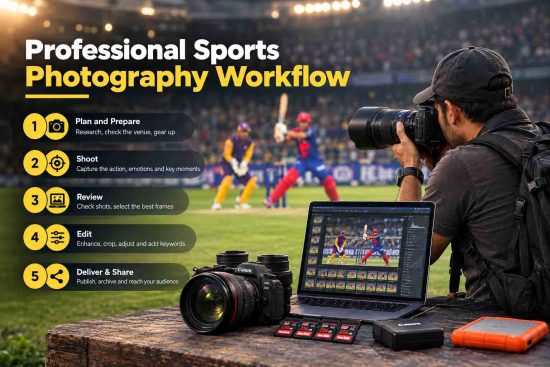
🏆 Professional Sports Photography Workflow

A consistent workflow makes assignments easier.
Follow a repeatable process before, during, and after every event.
🔹 Before the Event
✔ Research the sport
✔ Check the venue
✔ Study the schedule
✔ Charge batteries
✔ Format memory cards
✔ Clean lenses
✔ Prepare camera settings
✔ Check accreditation requirements
🔹 During the Event
✔ Watch the action
✔ Anticipate important moments
✔ Monitor exposure
✔ Track subjects carefully
✔ Change positions when appropriate
✔ Capture reactions
✔ Photograph environmental details
🔹 After the Event
✔ Back up files
✔ Cull unwanted frames
✔ Select strongest photographs
✔ Correct exposure
✔ Adjust color
✔ Crop carefully
✔ Export according to client requirements
A consistent workflow reduces mistakes.
📸 Tips for Better Professional Sports Photography

Use these practical tips whenever you photograph a sporting event.
⚡ Before Shooting
- Learn the sport.
- Check the venue.
- Study the lighting.
- Prepare your equipment.
- Choose suitable lenses.
- Set a fast shutter speed.
🎯 During Shooting
- Follow the athlete.
- Anticipate peak moments.
- Keep autofocus tracking active.
- Watch the background.
- Vary your composition.
- Capture emotion.
- Review exposure when necessary.
🖥️ During Editing
- Select only strong frames.
- Correct exposure naturally.
- Reduce distracting highlights.
- Apply controlled sharpening.
- Crop with purpose.
- Preserve realistic colors.
🏆 Most Important Principle
Do not simply photograph the action. Photograph the story behind it.
That mindset can transform ordinary sports images into memorable photographs.
🌍 The Future of Professional Sports Photography

Sports photography continues to evolve with technology.
Modern cameras offer faster autofocus, higher burst rates, and improved subject tracking.
AI-assisted focusing can recognize athletes and maintain focus more effectively.
Mirrorless cameras have also become increasingly popular among professional photographers.
However, technology does not replace creativity.
The photographer still chooses the position.
Timing the shutter release can make all the difference.
Every frame also reflects the story the photographer wants to highlight.
🚀 Emerging Opportunities
Sports photographers can now publish through:
- 📱 Social media
- 🌐 Personal websites
- 📰 Digital publications
- 📣 Brand campaigns
- 🎥 Multimedia projects
- 🏆 Sports organizations
Fast delivery is increasingly important.
Clients may expect photographs shortly after an event.
Therefore, an efficient workflow can become a major professional advantage.
❓ Frequently Asked Questions (FAQs)

📷 1. What is professional sports photography?
Professional sports photography captures action, emotion, and important moments during sporting events. It combines technical camera skills with timing and anticipation.
⚙️ 2. What camera settings are best for sports photography?
Use a fast shutter speed, continuous autofocus, and burst shooting. Start around 1/1000 second for fast action and adjust ISO according to the light.
🔭 3. Which lens is best for sports photography?
A 70–200mm telephoto lens is versatile for many sports. Longer lenses such as 300mm or 400mm work well for distant subjects.
🎯 4. How do I capture sharp sports photographs?
Use continuous autofocus, a fast shutter speed, and keep your subject within the focus area. Anticipating movement also helps you capture sharper moments.
🏟️ 5. Where should I position myself for sports photography?
Choose a safe position with a clear view of the action. Consider the background, lighting, athlete movement, and expected peak moments.
💡 6. How do I photograph indoor sports?
Use a wide aperture, suitable shutter speed, and higher ISO when necessary. A fast lens can be especially useful in poorly lit venues.
🧠 7. How important is timing in sports photography?
Timing is essential. Understanding the sport helps you anticipate key moments instead of simply reacting after they happen.
📸 8. Should I use burst mode for sports?
Yes, burst mode can help capture rapidly changing action and expressions. However, good timing remains more important than shooting continuously.
🖥️ 9. How should I edit sports photographs?
Adjust exposure, white balance, contrast, sharpness, and cropping carefully. Keep skin tones and colors natural.
🎒 10. What equipment does a sports photographer need?
A fast camera, telephoto lens, spare batteries, high-speed memory cards, and a reliable camera bag form a practical starting kit.
💼 11. How can I start a career in professional sports photography?
Start by photographing local sporting events and building a strong portfolio. Gradually develop relationships with teams, publications, clubs, and event organizers.
🏆 12. What makes a great sports photograph?
A great sports photograph combines timing, action, emotion, composition, and storytelling. Technical sharpness alone does not make an image memorable.
🏁 Conclusion: Mastering Professional Sports Photography

Professional sports photography combines preparation, timing, technical knowledge, and storytelling.
You need more than an expensive camera.
Understanding movement is essential for capturing peak action.
Anticipating important moments helps you press the shutter at the right time.
Choosing the right position can transform an ordinary frame into a powerful photograph.
A strong grasp of shutter speed, aperture, ISO, autofocus, and focal length gives you greater creative control.
Most importantly, you need to develop your visual instincts.
Start by photographing local sporting events.
Practice tracking moving subjects.
Experiment with different shutter speeds.
Try different shooting angles.
Study your mistakes.
Analyze your strongest photographs.
Over time, your timing will improve.
Your compositions will become stronger.
Your understanding of light will become more instinctive.
📸 Remember These Five Principles
1. ⚡ Master shutter speed.
Freeze important moments or intentionally create motion.
2. 🎯 Improve autofocus technique.
Keep moving athletes sharp and well positioned.
3. 🔭 Choose the right lens.
Match focal length with the venue and sport.
4. 🧠 Anticipate the action.
Predict important moments instead of simply reacting.
5. ❤️ Tell the story.
Capture emotion, effort, atmosphere, and human connection.
The strongest sports photographs make viewers feel present at the event.
Speed comes alive in every frame.
Pressure becomes visible through focused expressions.
Determination shines through every movement.
Celebration adds emotion to the final image.
And sometimes, they capture a single unforgettable moment that disappears almost instantly.
Keep practicing, keep experimenting, and keep looking for the moment others might miss.
📷 Professional sports photography is not just about capturing action. It is about preserving the story of the action.
Recent Comments