🌍 Introduction: Why Wildlife Photography Matters for Conservation
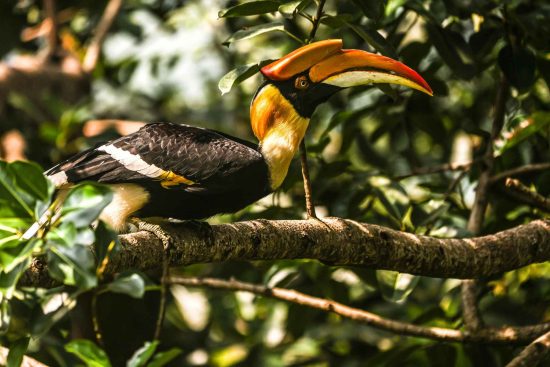
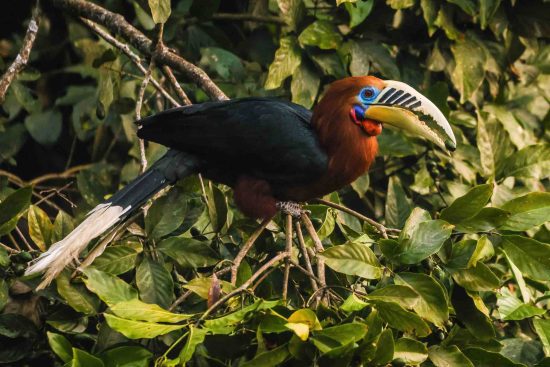
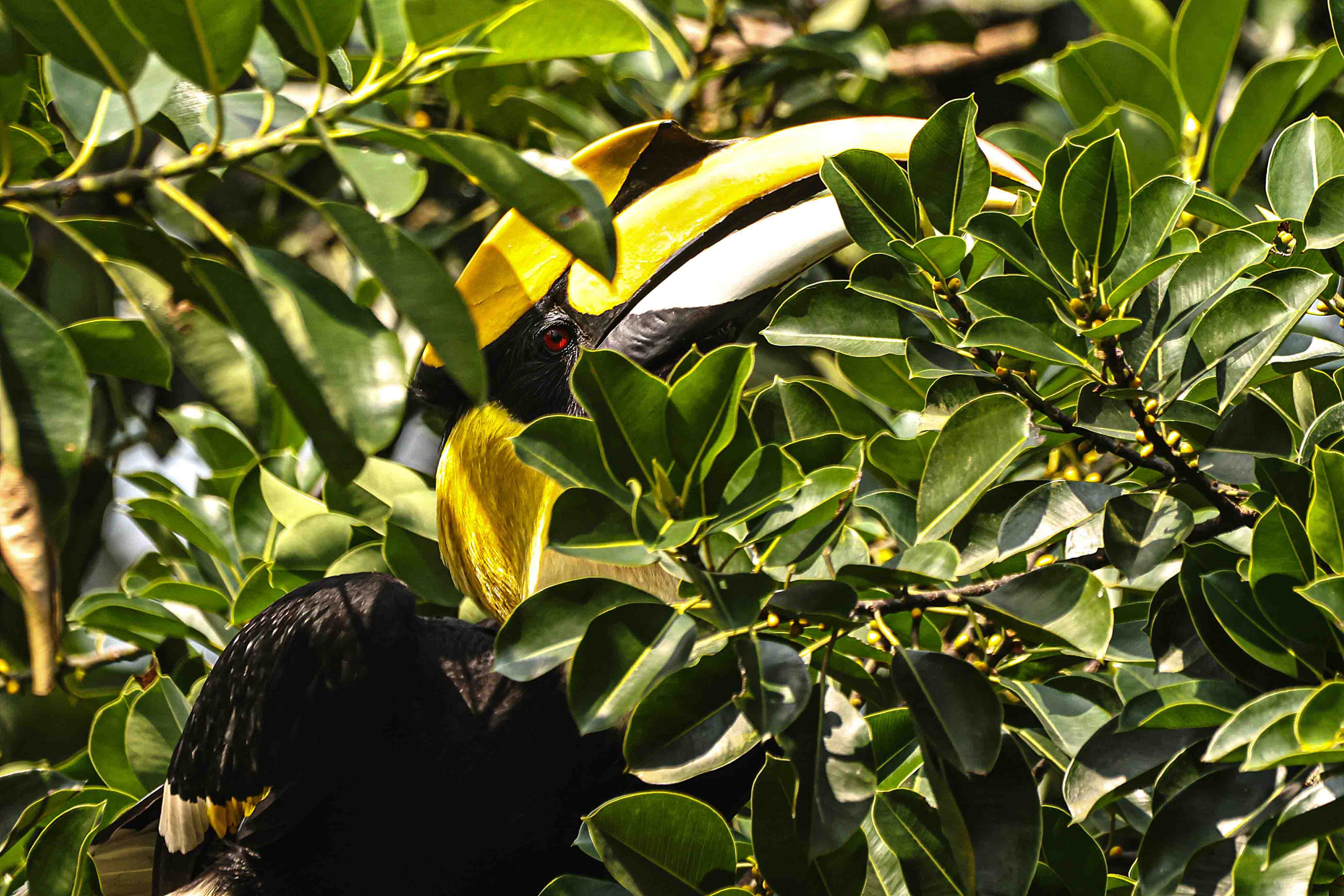
Great Indian Hornbill Perched in Darjeeling
Wildlife photography for conservation is more than an art form. It is a mission to protect species, habitats, and the delicate balance of nature. Each photograph carries a purpose—to inspire people, raise awareness, and create a sense of urgency about the threats our planet faces. Through a camera lens, photographers reveal not only the beauty of the wild but also the fragility of life on Earth.
Conservation has never been more critical. Global biodiversity is in crisis. Forests are shrinking at alarming rates, oceans are choking with plastic, and countless species are being pushed to the edge of extinction. Scientific reports may outline the facts, but they rarely stir emotions. Photography, on the other hand, transcends language barriers. A single image of a tiger prowling through mangroves or a bird feeding its chick can communicate what pages of data cannot.
The strength of conservation photography lies in its power to transform statistics into stories and awareness into action. A striking photo can mobilize communities, influence leaders, and inspire younger generations to value and protect nature. Unlike words alone, visuals leave a lasting impression that drives empathy and connection.
In today’s fast-paced, media-driven world, wildlife photography is not just about admiration. It is about responsibility. It tells us that protecting wildlife is not a distant cause—it is a collective duty. By capturing the struggles and triumphs of the natural world, conservation photographers become storytellers, educators, and advocates for the survival of our planet.
📸 What is Wildlife Photography for Conservation?
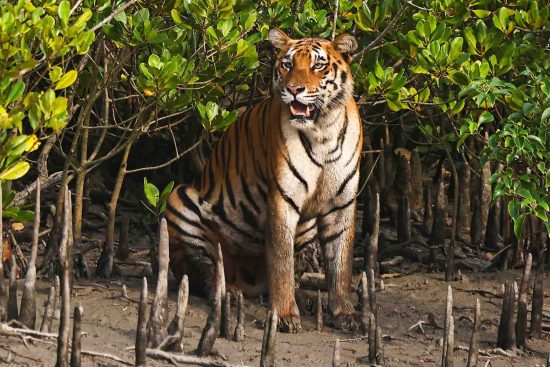
Royal Bengal Tiger of Sundarbans
Wildlife photography for conservation is not just about creating visually appealing images of animals. It is the practice of using photography as a purposeful tool to protect nature. The main goal is to inspire awareness, change attitudes, and encourage action that safeguards wildlife and their fragile habitats.
Unlike traditional wildlife photography, which often focuses on artistic beauty or technical perfection, conservation photography carries a deeper mission. Every shot is intended to tell a story about survival, threats, and the urgent need for protection.
🧩 Key Elements of Wildlife Photography for Conservation
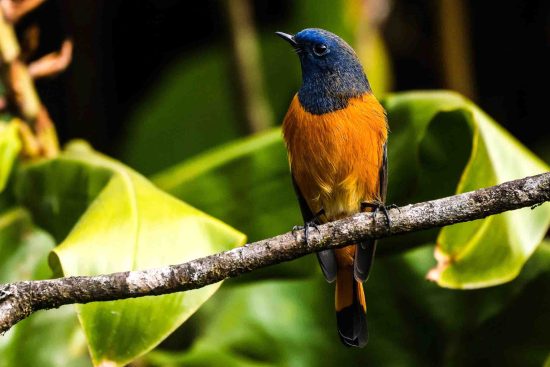
Blue-fronted Redstart (male)
Awareness First, Aesthetics Second The priority is to spread messages about species survival and environmental health rather than only capturing “perfect” pictures.
Storytelling Approach A conservation image shows more than an animal’s face. It tells a larger story — perhaps about deforestation, pollution, poaching, or climate change that threatens the subject.
Connection Between People and Nature Conservation photography aims to bridge the emotional gap between humans and wildlife. It makes distant species feel close and relatable.
Partnership with Conservation Work Photographers often collaborate with scientists, NGOs, and policymakers to ensure their images fuel campaigns, research, and protective measures.
📖 Example
A portrait of a tiger in golden light is beautiful. But a photograph of the same tiger standing on the edge of a shrinking forest highlights a crisis. That is wildlife photography for conservation—a blend of art, truth, and activism.
In simple words, it is the act of using the lens not just to observe nature but to protect it.
📜 Historical Roots: How Photography Entered Conservation
Great Indian Hornbill Feeding in Darjeeling Forest
The link between photography and conservation dates back more than a century. Long before social media or digital cameras, images shaped how people understood and valued wildlife. What we now call wildlife photography for conservation has its roots in the early efforts of naturalists and explorers who wanted to protect what they saw vanishing.
🐅 The Early Pioneers (Late 1800s – Early 1900s)
Photographers like George Shiras III were among the first to use camera traps to document wild animals in their natural habitats.
His images of deer, bears, and other creatures, published in National Geographic, introduced millions to species they had never seen.
These photographs did not just entertain; they built empathy and pushed for laws to protect wildlife, including the creation of game reserves.
🐃 The Role of Bison Photography
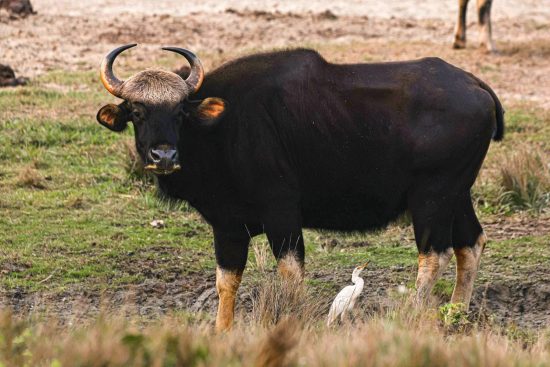
Vulnurable Indian Bison (Gaur) in Jaldapara National Park
In North America, photographs of the nearly extinct bison played a critical role in raising alarm. Once numbering in the millions, their population had dropped to only a few hundred by the late 1800s. Photographic documentation stirred public outrage and directly supported efforts to conserve the species.
📸 National Geographic and the Power of Magazines
By the early 20th century, magazines like National Geographic popularized wildlife imagery. Photographs of lions, elephants, and exotic birds reached living rooms across the globe. These images changed perceptions of wildlife from dangerous or expendable to precious and worth protecting.
🌍 The Rise of Modern Conservation Photography (Late 20th Century)
rom the 1970s onward, as environmental movements grew, photographers began to use their cameras deliberately for advocacy.
Frans Lanting’s photographs of rainforest species and African wildlife revealed fragile ecosystems.
Ansel Adams, though more focused on landscapes, used his images to support U.S. national parks.
Later, Cristina Mittermeier and Paul Nicklen pioneered the formal concept of “conservation photography,” using visuals to connect science, art, and activism.
🔑 Lessons from History
The historical journey shows that photography has never been neutral. From bison in America to tigers in Asia, images have repeatedly fueled protective action. What began as simple documentation evolved into wildlife photography for conservation—a movement that uses visuals to inspire real-world change.
💡 Why Photography Works for Conservation
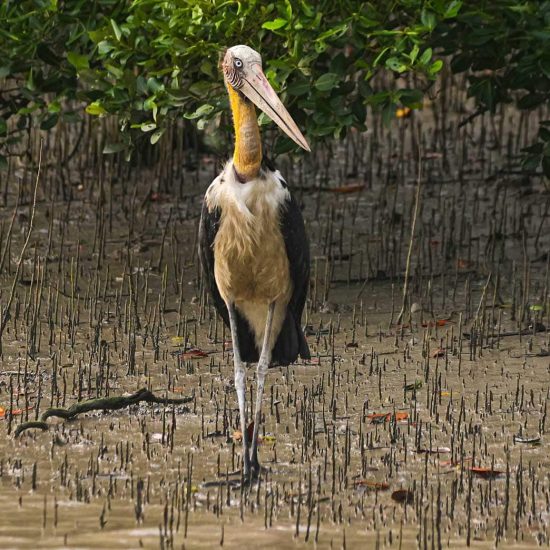
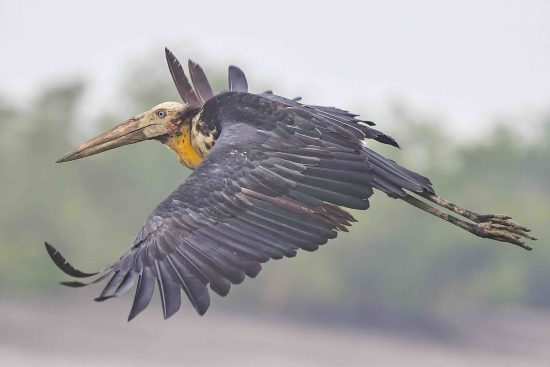
Lesser Adjutant Strok in Sundarbans
Wildlife photography for conservation works because images have the power to cross language barriers and touch hearts instantly. A single photo can succeed where long reports or speeches may fail. It can capture beauty, highlight danger, and show the urgency of saving species.
Here’s why photography is one of the most effective conservation tools:
Emotional Power People connect with emotions before facts. A photograph of a baby orangutan clinging to its mother or a sea turtle tangled in plastic can generate immediate empathy. Such images inspire people to care about wildlife even if they have never seen these animals in person.
Undeniable Evidence Photos serve as visual proof of destruction or survival. Aerial shots of deforestation, melting glaciers, or coral bleaching show realities that words cannot fully describe. This evidence makes it harder for people to ignore environmental damage.
Global Accessibility Unlike scientific studies, photographs are easy to understand. Anyone—regardless of age, culture, or education—can grasp the message in a strong image. This universal accessibility allows conservation messages to reach wider audiences.
Social Influence In the digital era, powerful photographs spread fast across social media. A single viral image can reach millions within hours, rallying public support for conservation campaigns. Hashtags, shares, and global conversations all begin with a single photograph.
Memorable Impact People may forget statistics, but they remember images. A striking photo lingers in memory, reminding viewers of the beauty of wildlife and the need to protect it.
In short, wildlife photography for conservation transforms distant problems into personal realities. It creates an emotional connection that data alone cannot build, turning awareness into action.
🌿 Roles of Wildlife Photography in Conservation
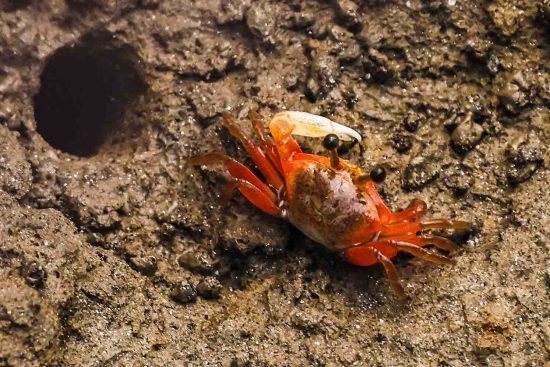
Rose Fielder Crab in Sundarbans
Wildlife photography for conservation is not just about taking stunning images. It serves as a bridge between science, art, and public awareness. Each photograph becomes a voice for species that cannot speak for themselves. Let’s explore the major roles it plays in protecting nature.
1. Raising Awareness Among the Public
A single image can make people care about wildlife they have never seen.
Photographs highlight endangered species, fragile habitats, and the urgent need to save them.
Images of orangutans losing forests or sea turtles trapped in plastic push viewers to rethink their lifestyle choices.
2. Influencing Policy and Laws
Lawmakers respond faster to visuals than to long reports.
Photographs showing poaching, deforestation, or pollution often make headlines, forcing governments to act.
Iconic wildlife images have fueled international agreements like ivory trade bans and marine protection zones.
3. Supporting NGOs and Conservation Campaigns
Organizations such as WWF, Wildlife Trust of India, and National Geographic rely on powerful images to spread their message.
Wildlife photography for conservation is central to fundraising, awareness campaigns, and volunteer recruitment.
Emotional imagery helps organizations connect with people and inspire donations.
4. Education and Research Communication
Visuals make complex conservation issues easier to understand.
Students learn about biodiversity, habitats, and animal behavior through engaging photographs.
Researchers use images to illustrate scientific findings and present them to wider audiences.
5. Promoting Eco-Tourism and Local Economies
Photos of wild tigers, rhinos, and elephants attract eco-tourists worldwide.
Tourism, when managed responsibly, generates funds for conservation projects.
Local communities benefit economically and begin to see wildlife as an asset worth protecting.
6. Documenting Environmental Threats
Photographs act as undeniable proof of damage caused by industries, illegal hunting, or climate change.
Images of bleaching coral reefs, polluted rivers, or burned forests serve as historical evidence for future action.
This visual record strengthens the case for urgent intervention.
7. Inspiring Personal Action and Behavior Change
A single moving photograph can make someone reduce plastic use, donate to conservation, or volunteer for nature programs.
Photography transforms distant issues into personal responsibilities.
When people connect emotionally with an image, they are more likely to act.
🌾 Wetland Conservation: Protecting the Heart of Biodiversity
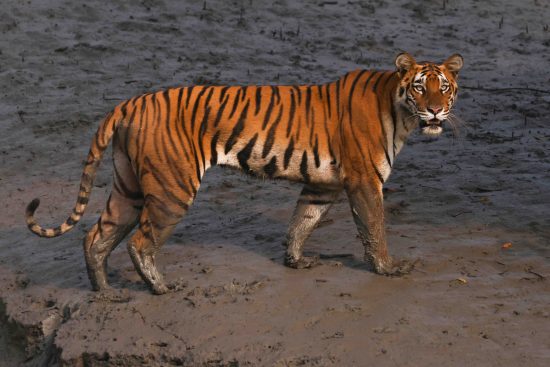
Endangered Royal Bengal Tigress in Sundarban Mangroves
Wetlands are nature’s kidneys. They filter water, control floods, and provide food for millions of species. Yet, these fragile ecosystems are disappearing faster than forests and coral reefs.
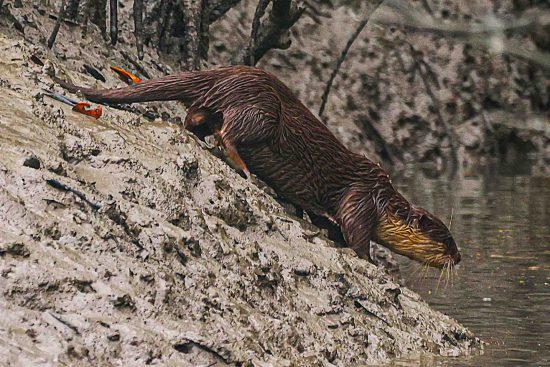
Smooth-coated Otter in Sundarbans
🌊 Why Wetlands Matter
Biodiversity Hotspots: Wetlands host countless birds, fish, reptiles, and amphibians.
Water Purifiers: They trap sediments and pollutants, keeping rivers clean.
Climate Protectors: Wetlands store more carbon than rainforests.
Livelihood Supporters: They sustain farmers, fishers, and local communities.
Losing wetlands means losing life, stability, and climate balance.
📸 Role of Wildlife Photography in Wetland Conservation
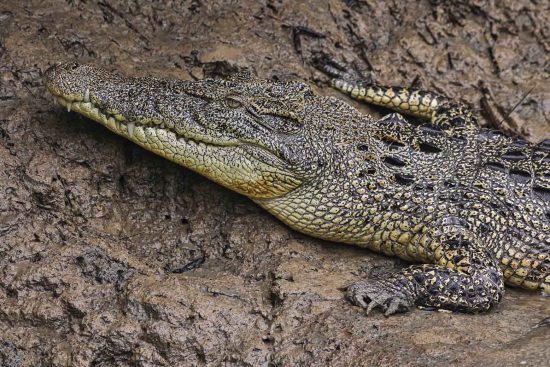
Saltwater Crocodile in the Wetlands of Sundarbans
Wildlife photography for conservation brings wetlands into the spotlight. Each frame becomes a visual plea to protect these living landscapes.
Showcase Hidden Life: Photographs reveal delicate wetland species like herons, kingfishers, and otters.
Create Awareness: Striking images turn complex issues into relatable stories.
Influence Policy: Photos of vanishing wetlands urge leaders to act.
Inspire Communities: Locals feel pride and ownership when they see their wetlands featured in conservation campaigns.
Document Change: Time-lapse or seasonal shots record habitat loss or recovery.
A camera in a wetland can do what words often cannot — move hearts and minds.
🌾 How You Can Contribute
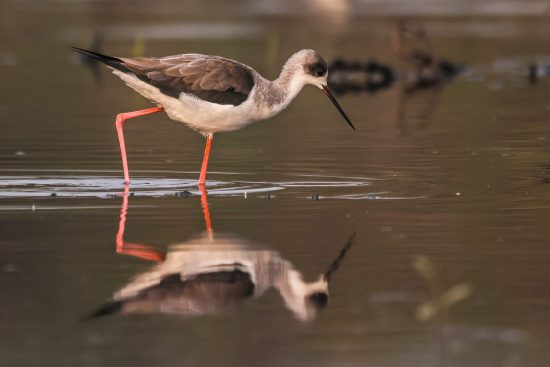
Black-winged Stilt in Purbasthali, India
Visit nearby wetlands and photograph responsibly.
Avoid disturbing nesting birds or trampling fragile plants.
Share images with captions that educate and inspire.
Collaborate with NGOs working on wetland restoration.
Use hashtags like #WetlandConservation, #WildlifePhotographyForConservation, and #SaveOurWetlands to reach global audiences.
Every image adds a voice to nature’s call for protection.
🌱 In Essence
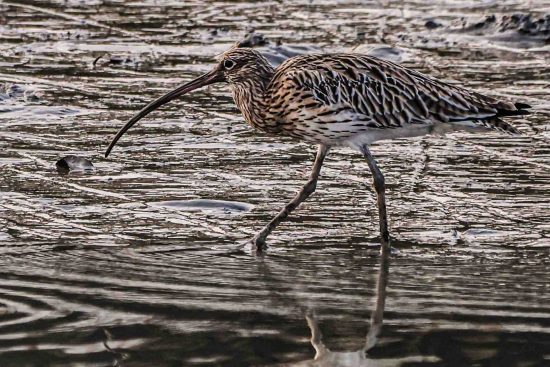
Eurasian Curlew in Sundarbans
Wetlands are lifelines. Wildlife photography for conservation transforms them from overlooked swamps into symbols of survival. Through your lens, people see not just water and reeds — they see hope, resilience, and the beauty worth saving.
📷 Case Studies: When Photography Changed the Future
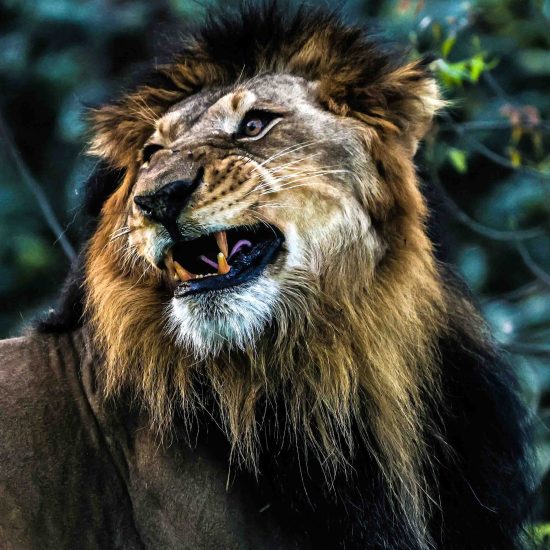
Adult Male Lion in Forest of Madhya Pradesh
History shows us that powerful images have shifted public opinion, influenced governments, and saved species from extinction. Wildlife photography for conservation has transformed abstract problems into urgent realities. Below are some iconic examples where photographs changed the future of animals and ecosystems.
🐘 The Plight of the Elephant
Photographs of slaughtered elephants and ivory stockpiles exposed the brutality of the ivory trade. Conservation photographers brought these images to international media, forcing the world to confront the crisis. The result was a global ivory ban that slowed down poaching and gave elephant populations a fighting chance.
🐻 Polar Bears on Melting Ice
Images of polar bears stranded on shrinking ice floes became one of the most recognizable symbols of climate change. These photographs turned a scientific issue into a human story, pushing governments to prioritize climate discussions and making the polar bear an ambassador for melting Arctic ecosystems.
🐅 Siberian Tigers Saved by Awareness
The Siberian tiger, once nearly extinct, gained global attention through powerful portraits in the wild. These images revealed the majesty of the big cat and the threat of poaching. Public campaigns, fueled by photography, pressured Russia to implement strict protections. Today, Siberian tiger numbers are slowly recovering.
🌳 Amazon Rainforest Under Siege
Aerial photographs of deforestation in the Amazon shocked the world. They revealed the sheer scale of logging and burning that written reports could not capture. These images galvanized NGOs, sparked international protests, and pressured governments to introduce stronger forest protection policies.
🦁 The Story of the Lion: King Without a Throne
One of the most powerful examples of wildlife photography for conservation is the story of the lion. Images of lions in shrinking savannas, surrounded by expanding human settlements, have highlighted the urgent conflict between people and predators. The global outrage after photographs of trophy-hunted lions—such as the famous lion Cecil in Zimbabwe—brought unprecedented attention to the exploitation of big cats.
These images ignited debates on ethics, hunting bans, and conservation funding. They revealed that even the “King of the Jungle” is not safe without strong conservation laws. Today, conservation campaigns often use lion photography as a rallying symbol for protecting Africa’s wildlife heritage.
🦏 The Role of IUCN in Wildlife Photography for Conservation
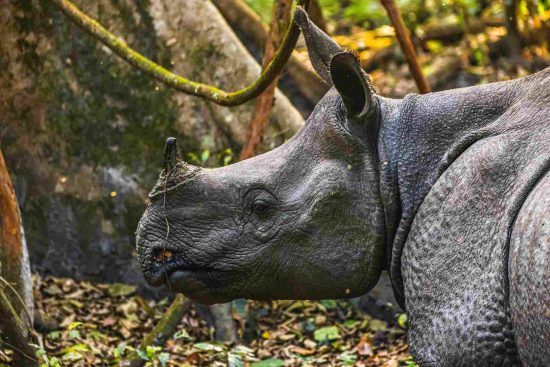
Greater One-Horned Rhinoceros in Jaldapara National Park
The International Union for Conservation of Nature (IUCN) is the world’s leading authority on the state of nature. It manages the IUCN Red List of Threatened Species, which assesses the conservation status of over 150,000 species worldwide. For wildlife photographers, this list is more than data — it is a guide for impactful storytelling.
🔑 Why IUCN Matters in Conservation Photography
Identifies Priority Species: The Red List helps photographers focus on species that need urgent attention, such as critically endangered or endangered animals.
Provides Scientific Accuracy: Using IUCN categories in captions or blogs ensures credibility and aligns images with global conservation standards.
Strengthens Awareness Campaigns: Photos of IUCN Red List species gain more traction with NGOs, policymakers, and the media.
Connects Local to Global: A bird photographed in India or Africa connects to a global story when linked with IUCN assessments.
📸 How Photographers Use the IUCN Red List
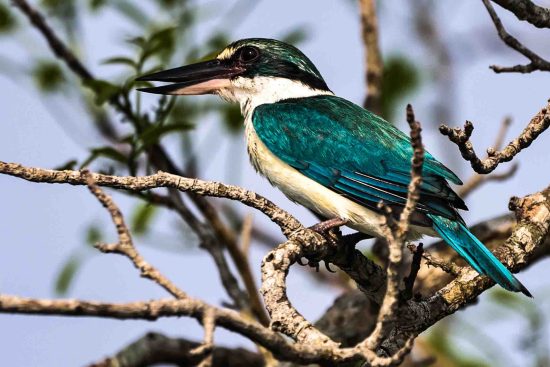
Collared Kingfisher in Sundarban Mangroves
Document species marked as Vulnerable, Endangered, or Critically Endangered.
Highlight the habitats these species depend on.
Share Red List facts in captions, exhibitions, or social media posts.
Partner with conservation organizations that align their work with IUCN goals.
🌍 Examples of IUCN in Action
Images of the Red Panda, listed as Endangered, have drawn global attention to Himalayan conservation.
Photos of Leatherback Turtles, a Vulnerable species, have mobilized campaigns to reduce plastic waste in oceans.
Documenting critically endangered vultures in India has helped raise awareness about poisoning and habitat loss.
Including IUCN references in your photography or blogs adds weight to your message. It shows that your work is not just artistic but also backed by science. It bridges the visual power of images with the scientific authority of conservation.
⚙️ Techniques for Effective Conservation Photography
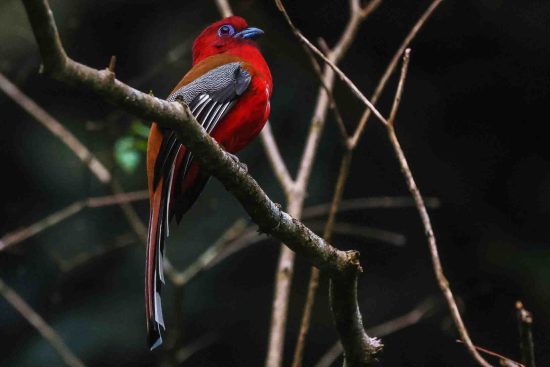
Red Headed Trogon in Darjeeling Forest
To make a real difference, conservation photographers need more than just technical skills. Wildlife photography for conservation demands patience, planning, and a deep understanding of both animals and ecosystems. Below are proven techniques to capture impactful images that inspire action:
1. Research and Understand Your Subject
Study the species you want to photograph—its behavior, feeding patterns, and threats.
Knowing when and where an animal is most active helps you anticipate natural moments.
Example: Understanding that owls hunt at dusk can help you capture authentic hunting behavior.
2. Tell a Powerful Story
Go beyond close-up portraits. Create visual narratives.
Document the daily life of animals—feeding, nurturing young, or surviving threats.
Include human impact, like pollution or deforestation, to highlight conservation challenges.
Remember: A strong conservation photo often raises more questions than it answers.
3. Capture Context, Not Just the Subject
Show animals in their environment. This adds depth to your story.
For example, a tiger photographed in a shrinking forest shows the reality of habitat loss.
Wide-angle shots can reveal the beauty of ecosystems and the dangers they face.
4. Prioritize Ethical Practices
Always keep the welfare of the animal above the photograph.
Do not bait or lure wildlife.
Avoid approaching nests or dens, which can endanger offspring.
Ethical images gain more credibility and respect in the conservation community.
5. Master Light and Composition
Use soft morning or evening light for dramatic impact.
Experiment with silhouettes, reflections, and unusual angles for storytelling.
Example: A bird photographed against a rising sun conveys both beauty and fragility.
6. Highlight Conservation Issues
Document threats such as plastic waste, forest fires, or illegal logging.
Show the contrast between wildlife and human activities.
An image of a sea turtle swimming among plastic bags can speak louder than any report.
7. Be Patient and Persistent
Conservation photography is not about instant results.
You may spend hours, even days, waiting for the right moment.
Patience ensures authenticity and natural behavior in your images.
8. Use Technology Wisely
Camera traps help capture shy or nocturnal species without disturbing them.
Drones offer unique perspectives of landscapes under threat.
Long lenses allow safe and ethical distances while maintaining image quality.
9. Edit with Integrity
Keep post-processing minimal and natural.
Avoid manipulation that misrepresents the reality of wildlife.
Authentic images build trust and strengthen conservation messages.
10. Always Add Contextual Information
A photograph without explanation can be misinterpreted.
Add captions, facts, and conservation insights whenever possible.
This turns a beautiful image into an educational tool.
👉 With these techniques, wildlife photography for conservation becomes a purposeful art form. It transforms your camera into a tool for activism—one that can influence minds, policies, and even the future of species.
🧭 Ethical Responsibilities of Conservation Photographers
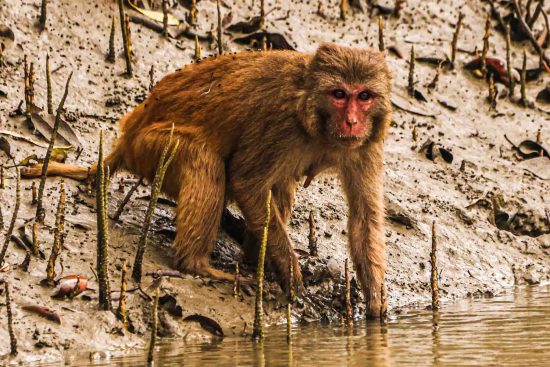
Rhesus macaque in Sundarbans
Ethics are at the very heart of wildlife photography for conservation. A photograph should never come at the cost of harming the subject or its environment. The purpose of conservation photography is to protect wildlife, not to exploit it for the sake of a dramatic shot. Every photographer who points a lens at a wild creature carries the responsibility of being both a storyteller and a guardian.
🌱 Core Principles of Ethical Conservation Photography
Put the Animal First
Never place your photograph above the welfare of the subject.
Avoid chasing, cornering, or stressing animals for a better frame.
Always maintain a safe distance, using longer lenses instead of moving too close.
Respect Natural Behavior
Do not feed, bait, or lure animals. This disrupts their natural instincts and can endanger their lives.
Avoid loud noises, sudden movements, or artificial lights that may cause distress.
Be patient—let the animal reveal its story on its own terms.
Protect Sensitive Locations
Nesting sites, dens, and breeding grounds are highly sensitive. Intrusion here can lead to abandonment of young or even death.
Share such locations responsibly. Avoid publishing exact GPS data of rare or endangered species to protect them from poachers.
Leave No Trace
Follow the principle: “Take nothing but pictures, leave nothing but footprints.”
Do not damage plants, disturb soil, or litter in fragile habitats.
Respect trails, park rules, and guidelines set by wildlife authorities.
Promote Awareness, Not Fear
Present wildlife in ways that inspire respect and care, not fear or hostility.
When sharing images of predators or snakes, provide context that highlights their ecological importance.
Tell the Whole Story
Conservation photography is about honesty. Do not manipulate images in ways that misrepresent reality.
Minor edits for exposure or color are acceptable, but avoid adding or removing elements.
📌 Why Ethics Matter in Wildlife Photography for Conservation
For the Wildlife: Ethical practices ensure that animals remain safe and undisturbed.
For the Message: Authentic photographs carry credibility and trust, making conservation campaigns more powerful.
For the Future: Respectful photographers set examples for new generations, ensuring long-term conservation efforts succeed.
By committing to ethical principles, photographers uphold the integrity of their work and strengthen the impact of conservation movements.
📱 The Role of Social Media in Conservation Photography
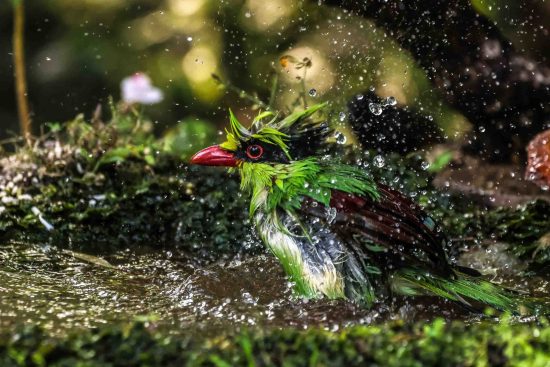
Common-Green Magpai in Darjeeling Forest
Social media has transformed how we share and consume stories of the natural world. In the past, conservation photographs reached audiences mainly through magazines, books, or exhibitions. Today, platforms like Instagram, Facebook, YouTube, and TikTok bring wildlife stories directly to millions of people across the globe in seconds.
Wildlife photography for conservation has become even more powerful in this digital age. A single photograph of a snow leopard, an orphaned orangutan, or a dying coral reef can go viral and touch hearts worldwide. Social media doesn’t just display beauty; it builds communities of people who care about conservation.
🌐 Why Social Media Matters for Conservation Photography
Massive Reach: Billions of users across platforms make social media the largest stage for conservation campaigns.
Instant Impact: Photos can generate emotional reactions and inspire immediate donations or petitions.
Global Awareness: A tiger in India or a whale in Antarctica can be seen by audiences in every corner of the world.
Engagement Tools: Hashtags, polls, reels, and live streams allow photographers to connect directly with conservation supporters.
📱 Platforms That Boost Conservation Stories
Instagram: Perfect for visually striking images with storytelling captions. Conservation hashtags (#WildlifePhotographyForConservation, #SaveNature, #ConservationPhotography) help reach niche audiences.
Facebook: Excellent for building groups, pages, and communities around conservation campaigns.
YouTube: A platform for long-form conservation storytelling, from behind-the-scenes journeys to mini-documentaries.
TikTok & Shorts: Short, emotional clips of animal behavior or threats to habitats capture younger audiences fast.
X (Twitter): Best for activism, quick news updates, and connecting with policymakers or NGOs.
🌍 Success Stories Through Social Media
Viral elephant and rhino photos raised millions in donations for anti-poaching programs.
Striking images of plastic pollution in oceans led to global awareness and bans on single-use plastics.
Instagram campaigns by photographers like Paul Nicklen and Cristina Mittermeier inspired millions to support ocean conservation projects.
💡 Best Practices for Conservation Photographers on Social Media
Use authentic storytelling alongside your images.
Add educational facts about species and threats.
Use location tags to highlight ecosystems under threat.
Engage with conservation NGOs and tag them in your posts.
Post consistently to maintain awareness campaigns.
👉 Social media, when used responsibly, transforms wildlife photography for conservation into a movement. It connects people emotionally with species they may never see in person and empowers them to take action—whether that means signing a petition, supporting an NGO, or changing their daily habits to be more eco-friendly.
🤝 Collaboration Between Scientists and Photographers
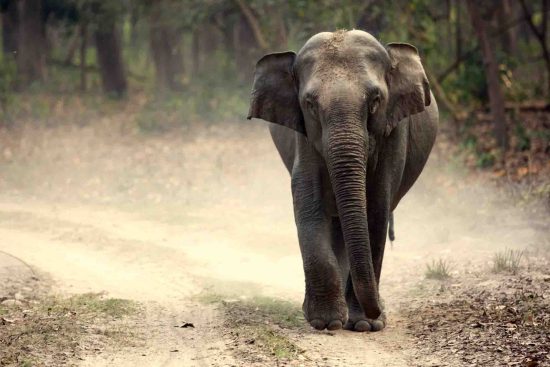
Adult Elephant in Jim Corbett National Park
Science provides knowledge. Photography provides emotion. When these two forces come together, conservation becomes stronger and more effective. Wildlife photography for conservation thrives when photographers and scientists work side by side, combining facts with powerful storytelling.
🔬 How Scientists Contribute
Provide Accuracy: Scientists ensure the images are backed by real data and context.
Identify Priorities: They highlight species or ecosystems under greatest threat.
Guide Fieldwork: Their knowledge helps photographers locate rare animals or critical habitats.
Measure Impact: Scientific data shows how photography influences conservation outcomes.
📸 How Photographers Contribute
Bring Visibility: They translate complex scientific findings into visual stories.
Create Emotional Impact: Photos capture the struggles and beauty of wildlife in ways reports cannot.
Mobilize Support: Striking visuals attract funding, donations, and media attention.
Inspire Action: Audiences connect emotionally with images and feel motivated to support conservation.
🌍 Why Collaboration Matters
Amplified Reach: Scientific findings gain larger audiences when paired with compelling visuals.
Policy Influence: Governments respond faster to images that illustrate data-driven threats.
Education: Schools and communities learn better through visuals supported by facts.
Global Campaigns: International organizations rely on science-backed images to build credibility.
✅ Real-World Examples
Snow Leopards: Scientists used camera traps and photographers used storytelling to highlight their declining numbers. Together, they influenced protective measures in Central Asia.
Coral Reefs: Marine biologists and underwater photographers documented bleaching events. Their combined work fueled campaigns to regulate fishing and fight climate change.
Tiger Conservation in India: Collaboration between researchers and photographers brought attention to poaching hotspots, leading to stronger anti-poaching patrols.
💡 Future of Collaboration
With AI, drones, and advanced tracking tools, scientists can provide new insights while photographers create visuals that bring these discoveries to life. Together, they will continue to drive the mission of wildlife photography for conservation, ensuring that both knowledge and emotion lead to lasting impact.
📸 How You Can Contribute as a Photographer
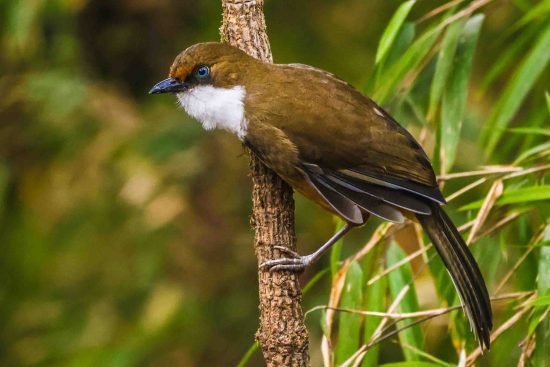
White-throated Laughingthrush in Tiger Hill, Darjeeling
You don’t need to be a professional working for National Geographic to make a difference. Every photographer, whether beginner or expert, has the power to contribute to wildlife photography for conservation. With passion, patience, and purpose, your images can support awareness, education, and action for wildlife protection.
🌱 1. Start with Local Wildlife
Begin by photographing birds, insects, butterflies, or small mammals in your area.
Local ecosystems often face hidden threats such as pollution, habitat loss, and invasive species.
Documenting these everyday species helps create a record and sparks local conservation conversations.
📚 2. Collaborate with NGOs and Community Groups
Share your photographs with local wildlife rescue centers, NGOs, or forest departments.
Your images can be used in brochures, campaigns, and online platforms to reach wider audiences.
Small contributions often make a big impact for grassroots conservation projects.
🏫 3. Educate Through Visual Storytelling
Offer your photos to schools, colleges, and nature clubs for awareness programs.
Use storytelling techniques to explain the threats and beauty of local species.
Children respond strongly to visuals, and your work can inspire the next generation of conservationists.
🌍 4. Share on Digital Platforms
Post your photographs on Instagram, Facebook, or nature blogs with conservation-focused captions.
Use hashtags like #WildlifePhotographyForConservation, #SaveWildlife, and #ProtectNature to increase reach.
Encourage discussions about species protection rather than just likes or shares.
🦉 5. Join Citizen Science Projects
Platforms like iNaturalist, eBird, and India Biodiversity Portal allow you to upload wildlife sightings.
Your photos contribute valuable data that scientists use for mapping species distribution and population trends.
Every upload builds a stronger picture of biodiversity health.
✨ 6. Practice Ethical Photography
Never use bait or flash that could disturb animals.
Maintain safe distances, especially during breeding seasons.
Remember: the welfare of the animal always comes before the image.
By being responsible, you ensure that your photography truly benefits conservation.
📖 7. Build Awareness Campaigns with Your Work
Curate exhibitions or online galleries centered around themes like endangered species, wetlands, or urban wildlife.
Pair each image with a short story about the species’ challenges and survival.
Organize photo walks in local parks to inspire more people to engage with nature responsibly.
🌐 8. Support Global Conservation Movements
Donate your photographs to international campaigns run by WWF, Conservation International, or Sanctuary Asia.
Join global storytelling initiatives like Photographers Against Wildlife Crime.
Participate in photo competitions focused on conservation impact, not just aesthetics.
💪 9. Your Camera as a Conservation Tool
Every click matters. When you pick up your camera with purpose, you become part of a global movement. Your images may encourage a child to care for birds, inspire a policymaker to ban plastic, or motivate a tourist to visit a protected park.
Wildlife photography for conservation gives everyone the ability to protect the natural world, one frame at a time.
🌐 Global Impact of Wildlife Photography for Conservation
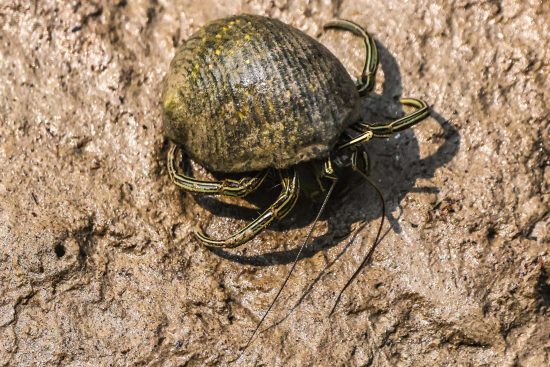
Hermit Crab in Sundarbans
The influence of wildlife photography for conservation reaches far beyond individual images. Over the last century, powerful photographs have shaped global awareness, inspired conservation movements, and even led to historic policy changes. A single photograph has the power to move people across cultures, languages, and generations.
🌍 Policy and Legal Changes
Shocking photos of poaching victims, deforestation, and oil spills have pressured governments into passing stricter wildlife protection laws.
Campaigns supported by photography have contributed to international agreements like the CITES treaty, which regulates the global wildlife trade.
Images of vanishing habitats have helped establish protected areas and national parks in Africa, Asia, and South America.
📢 Public Awareness and Movements
Viral wildlife images often become symbols of larger environmental movements. The starving polar bear photo, for example, turned into a global call for climate action.
Emotional images of orphaned orangutans and elephants raised global awareness about illegal wildlife trade.
Photo campaigns have inspired millions of young people to engage in eco-activism, creating a new generation of conservation leaders.
💰 Fundraising and Support
Nonprofits like WWF, WildAid, and SeaLegacy rely heavily on conservation photography to generate funds.
Photographic campaigns have raised millions of dollars in donations for protecting endangered species.
Wildlife calendars, photo exhibitions, and limited edition prints often fund community-based conservation projects.
🏞️ Eco-Tourism and Local Communities
Striking wildlife images draw travelers to national parks and reserves.
Responsible eco-tourism, driven by these photographs, brings revenue to local communities.
This economic incentive encourages people to protect animals rather than exploit them.
📖 Education and Cultural Impact
School textbooks, documentaries, and museum exhibits use wildlife photography to teach respect for nature.
Cultural perceptions of animals change when people see them in a new light through photography. For instance, sharks are often feared, but conservation images now present them as vital species needing protection.
🌐 Global Connectivity Through Social Media
Platforms like Instagram, Twitter, and YouTube allow photographers to reach millions instantly.
Hashtags such as #WildlifeConservation, #ConservationPhotography, and #SaveOurPlanet link local issues to global conversations.
Social media amplifies voices of indigenous photographers and local conservationists who were often overlooked in the past.
👉 Wildlife photography for conservation is not just an artistic endeavor; it is a global force. It shapes laws, sparks empathy, raises funds, strengthens communities, and creates cultural shifts. Its reach continues to expand as technology evolves, making it one of the most effective tools for protecting life on Earth.
⚠️ Challenges in Wildlife Photography for Conservation
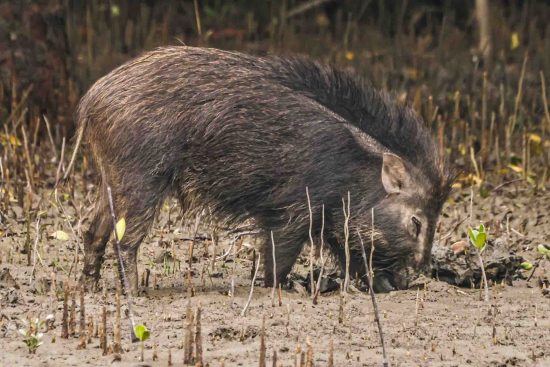
Wild Boar in Sundarbans
Wildlife photography for conservation is powerful, but it comes with serious challenges. Photographers must balance creativity, ethics, and survival in unpredictable conditions. Each shot requires patience, resilience, and respect for the wild.
🌍 1. Access to Remote Habitats
Many endangered species live in hard-to-reach areas. Rainforests, deserts, and mountains test both physical and mental limits. Travel often demands permits, local guides, and long treks. Reaching these places can be costly and exhausting.
💰 2. Limited Funding and Resources
Conservation work rarely offers high financial rewards. Photographers often invest their own money in equipment, travel, and time. Many projects depend on grants or NGO partnerships. Without steady funding, long-term conservation stories remain incomplete.
⚖️ 3. Balancing Ethics with Photography
The greatest challenge lies in respecting wildlife. Temptation to get closer can put animals in danger. Baiting, disturbing nests, or stressing species may result in harm. Ethical wildlife photography for conservation always puts animal welfare before the image.
🌡️ 4. Climate Change and Habitat Loss
Global warming changes animal behavior and distribution. Melting ice, rising seas, and shrinking forests make species harder to document. Photographers must adapt constantly to disappearing habitats and shifting migration patterns.
👥 5. Human-Wildlife Conflict
Many species live near human settlements. Photographers documenting these conflicts face risks from both sides. Farmers may view them with suspicion, while animals may act defensively. These situations demand caution, diplomacy, and local cooperation.
📸 6. Technical Challenges in the Field
Low light in dense forests.
Fast-moving subjects.
Extreme weather damaging equipment.
Unpredictable encounters that require instant reactions.
Mastering these challenges requires skill, adaptability, and persistence.
🔒 7. Safety and Health Risks
Photographers often face wild animals, harsh climates, or diseases in remote areas. From snake bites to malaria, risks are real. Safety training, proper gear, and awareness are essential.
✨ The Bigger Picture
Despite these obstacles, the mission continues. Every challenge faced by conservation photographers highlights the urgency of their work. Overcoming barriers ensures that stories of threatened species reach the world. Each image captured in difficult conditions has the power to inspire action, influence policy, and safeguard biodiversity.
🚀 Future of Wildlife Photography in Conservation
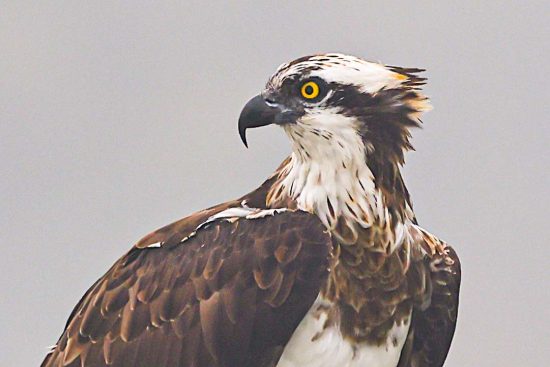
Osprey in Purbasthali
The future of wildlife photography for conservation is dynamic and full of possibilities. As technology evolves and awareness grows, photographers will have more tools and platforms to tell powerful stories that inspire global change.
🌐 Emerging Technologies
Drones: Offer aerial perspectives of forests, wetlands, and animal migrations without disturbing wildlife.
Camera Traps: Capture rare and elusive species like snow leopards or pangolins, helping scientists and conservationists monitor populations.
AI and Big Data: Artificial intelligence now analyzes thousands of images to identify species, track movements, and detect illegal activities such as poaching or logging.
Virtual Reality (VR) and Augmented Reality (AR): Immersive storytelling can transport people into the heart of rainforests, coral reefs, or savannas, sparking empathy and urgency.
📱 Digital Storytelling and Global Reach
The rise of digital media means conservation photos no longer stay in galleries or magazines. They travel instantly across the world. A single image of a starving polar bear or a forest fire can go viral in minutes, reaching millions. Social media has transformed every photographer into a potential conservation advocate.
🤝 Community and Indigenous Collaboration
The future also lies in empowering local communities and Indigenous people. Photographers are working alongside them to tell authentic stories about how they live with wildlife. These partnerships ensure conservation is inclusive, ethical, and rooted in cultural respect.
🎯 Education and Awareness
Schools, universities, and NGOs are increasingly using conservation photography as part of education. Children growing up seeing striking images of endangered species develop a deeper respect for nature. This trend will continue, making photography a cornerstone of environmental education.
🌍 A Vision Ahead
The future of wildlife photography for conservation is not just about new gadgets or platforms. It is about strengthening its role as a voice for the voiceless. As climate change accelerates and human-wildlife conflicts intensify, powerful imagery will be needed more than ever to create empathy, influence policies, and inspire collective action.
👉 Wildlife photography will continue to evolve into a movement where every frame has a mission, every story has a purpose, and every image holds the potential to protect life on Earth.
❓ Frequently Asked Questions (FAQ) on Wildlife Photography for Conservation
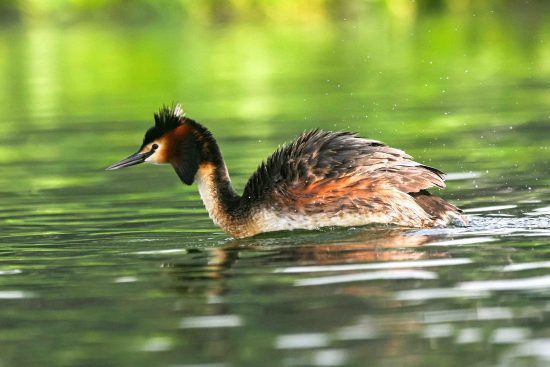
Great Crested Grebe in Purbasthali, India
1. What is wildlife photography for conservation?
Wildlife photography for conservation is the practice of using photography to raise awareness, inspire action, and protect endangered species and habitats. Unlike traditional photography, its main goal is to tell visual stories that support conservation efforts.
2. How does wildlife photography help conservation?
Wildlife photography helps conservation by:
Showcasing endangered species and fragile ecosystems.
Raising public awareness about environmental threats.
Supporting NGOs and campaigns through visual storytelling.
Influencing policy changes with evidence-based imagery.
Inspiring people to value and protect biodiversity.
3. What makes conservation photography different from regular wildlife photography?
Conservation photography goes beyond creating beautiful images. It focuses on storytelling with a purpose: to reveal threats, document environmental changes, and encourage protection of nature. The emphasis is on impact, not just aesthetics.
4. Can beginner photographers contribute to wildlife conservation?
Yes. Beginners can start by photographing local wildlife, documenting human-wildlife interactions, and sharing images on social media with conservation messages. Partnering with local NGOs or community groups can amplify impact.
5. What equipment is best for wildlife photography for conservation?
Basic gear to get started includes:
A DSLR or mirrorless camera with good autofocus.
Telephoto lenses (200mm or above).
Tripods or monopods for stability.
Camera traps or drones (optional for advanced projects). The focus should always be on ethical storytelling, not just expensive gear.
6. How can wildlife photography influence policy?
Photos that reveal deforestation, poaching, or climate change impacts can spark public outrage and pressure governments to act. Many conservation laws and bans, such as ivory trade restrictions, were influenced by impactful images.
7. Is it ethical to photograph endangered animals?
Yes, if done responsibly. Ethical guidelines include:
Never disturbing or stressing the animal.
Avoiding baiting or luring.
Keeping a safe distance.
Respecting habitats and local communities. The animal’s safety always comes before the photo.
8. How do conservation photographers make money?
They may earn through:
Collaborations with NGOs and conservation groups.
Publications in magazines, books, and documentaries.
Speaking engagements, workshops, and photo tours.
Selling fine art prints with a conservation message.
9. How can I support wildlife photography for conservation without being a photographer?
You can support by:
Following and sharing the work of conservation photographers.
Donating to NGOs that use photography for awareness.
Supporting ethical eco-tourism initiatives.
Promoting campaigns on social media. Every share, donation, and word of support helps.
10. What is the future of wildlife photography in conservation?
The future involves advanced tools like drones, camera traps, and AI. Social media, VR, and AR will make stories more immersive. Collaboration with local communities will strengthen impact. The mission will remain the same: using imagery to inspire global conservation action.
🦉 Conclusion: Images That Protect Life
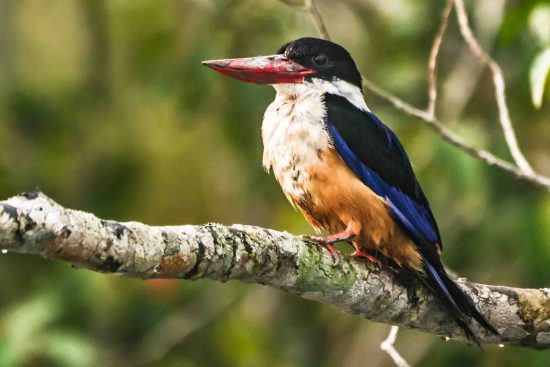
Black-Capped Kingfisher in Sundarbans
Wildlife photography for conservation is more than a creative pursuit. It is a mission with purpose, responsibility, and urgency. In a world where species vanish daily and ecosystems collapse under human pressure, photographs become powerful messengers. They do not just show us wildlife; they remind us of our duty to protect it.
Every image taken in the wild carries two layers: beauty and truth. Beauty captures attention. Truth awakens responsibility. A striking photograph of a tiger prowling through mangroves or a bird nurturing its chicks can spark curiosity. But when paired with the reality of habitat destruction or species decline, it becomes a force for change.
Conservation is not the work of scientists and activists alone. Photographers, whether professionals or passionate hobbyists, play a vital role. Their lenses create awareness, their stories inspire empathy, and their work drives people to act. A photograph can push policymakers to create stricter laws, encourage donations for wildlife projects, or educate the next generation to respect nature.
The future of our planet depends on how we respond today. Each time you lift your camera, you hold the power to shape that future. Use it not just to capture images, but to protect life. Let your photographs tell stories that move people, reveal truths that cannot be ignored, and ignite hope for a better tomorrow.
Because in the end, wildlife photography for conservation is not only about saving animals. It is about saving ourselves, our ecosystems, and the fragile balance of life on Earth.
👉 Call-to-Action: If you’re inspired to make a difference, start capturing and sharing your own wildlife moments today. Learn more tips, techniques, and conservation strategies by visiting our full guide here. Every click, share, and photograph contributes to a world where wildlife can thrive.


Recent Comments