

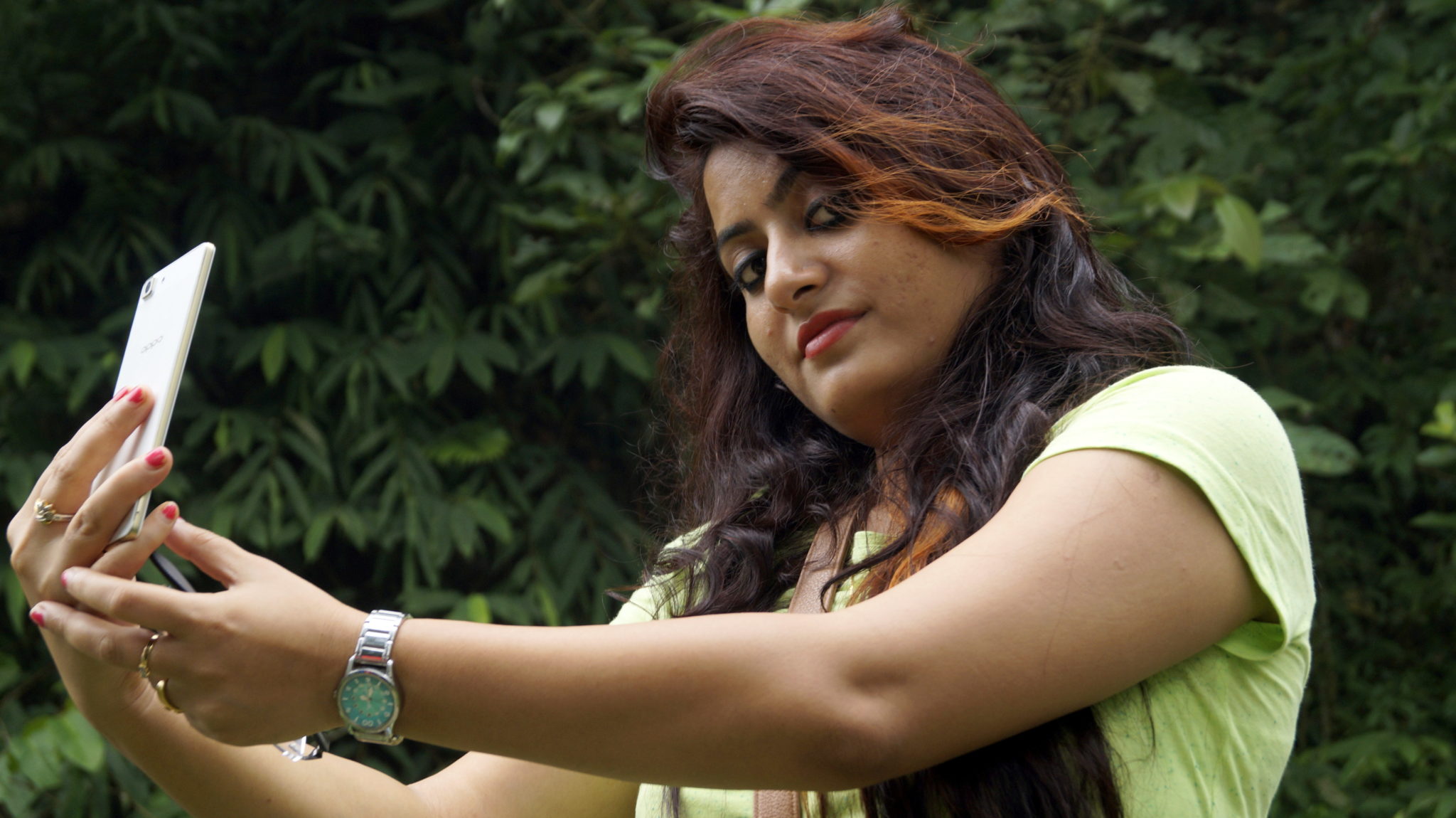
Portrait Photography Composition Techniques are Discussed Bellow:
📖 Index: Portrait Photography Composition Techniques
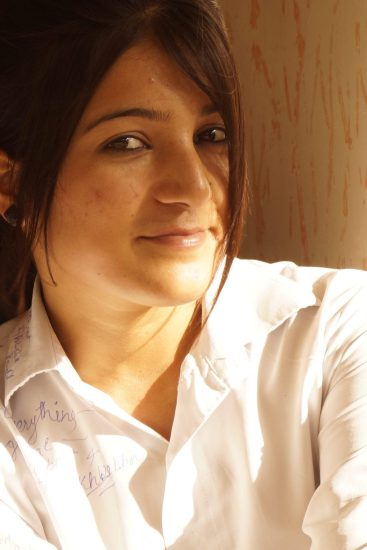
📸 Introduction
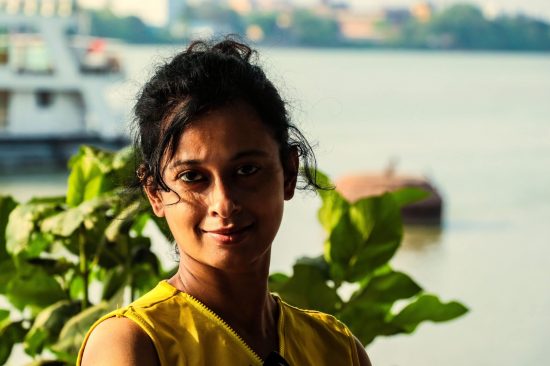
Portrait photography is more than just capturing a person’s likeness; it’s about telling a story through images. A strong portrait highlights personality, mood, and emotions. While lighting, gear, and editing are important, composition plays a crucial role in shaping the visual impact of a portrait. The way a subject is placed in the frame, how lines guide the viewer’s eyes, and how space is balanced can completely change the meaning of an image. In this guide, we’ll explore the most effective portrait photography composition techniques, from fundamental rules to advanced creative approaches. Whether you’re a beginner or a professional looking to refine your skills, these techniques will help you create portraits that stand out with depth, balance, and emotional resonance.
🧭 Why Composition Matters in Portrait Photography?
Every photograph tells a story. Composition is the language that allows photographers to communicate that story effectively. Good composition ensures that the viewer’s attention goes directly to the subject while minimizing distractions.

1. Creates Visual Balance
A portrait with strong composition feels organized and intentional. Balanced images hold the viewer’s attention longer.
2. Guides the Viewer’s Eye
Techniques such as leading lines or framing naturally direct attention to the subject, ensuring the story of the portrait remains clear.
3. Enhances Emotional Impact
Subtle changes in composition can change the mood entirely. A close-up may feel intimate, while a wide shot may highlight loneliness or space.
4. Adds Creativity and Uniqueness
By experimenting with composition, photographers can move beyond standard shots and create memorable, artistic portraits.
🎨 Essential Portrait Photography Composition Techniques
Rule of Thirds in Portrait Photography
The rule of thirds is one of the most widely used and effective composition techniques. Imagine your frame divided into nine equal parts by two vertical and two horizontal lines. Placing your subject along these lines or at their intersections creates natural balance.
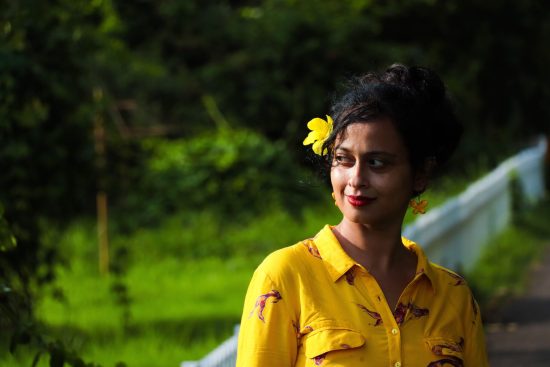
For portraits, aligning the eyes on the upper third line makes the photo feel grounded and engaging. This technique prevents the subject from being awkwardly centered and creates visual flow.
Using Leading Lines for Stronger Portraits
Leading lines guide the viewer’s eyes directly to the subject. These lines can be roads, fences, staircases, or even shadows. When used effectively, they add depth and movement to a portrait.
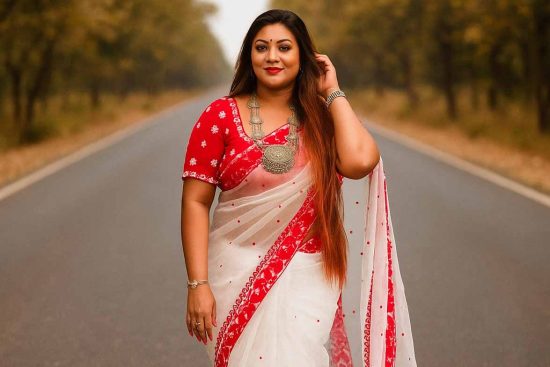
For example, photographing someone on a path or between tall trees can make the lines converge toward the person, emphasizing their presence.
Pro Tip: Look for natural lines in the environment, like rivers or railings, to create dynamic compositions.
Framing Your Subject Creatively
Framing uses elements within the scene to surround the subject, drawing attention to them. Doorways, windows, arches, or even branches can create natural frames. This technique not only highlights the subject but also adds context and depth.
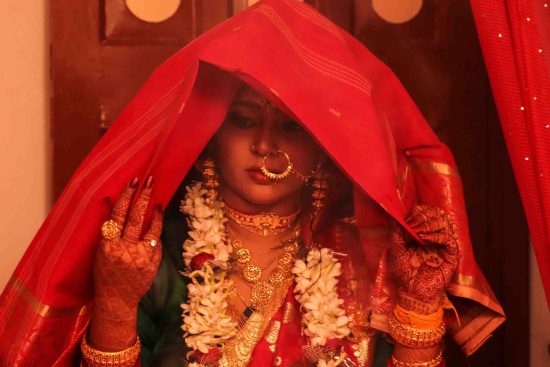
Pro Tip: Try shooting through objects like glass, curtains, or foliage to create layered frames for artistic portraits.
Balancing Negative Space in Portraits
Negative space refers to the empty areas around your subject. Instead of filling the entire frame, leaving intentional space can create powerful effects. It emphasizes the subject and often conveys emotions such as calmness, isolation, or freedom.
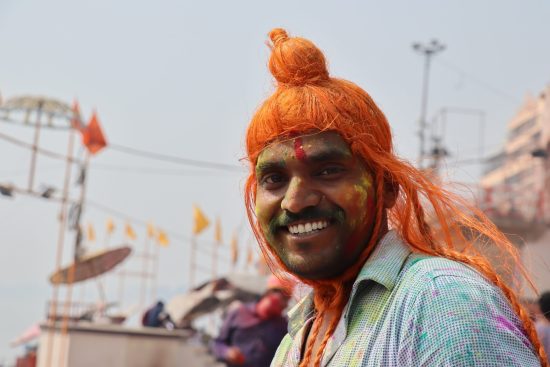
Minimalist portraits with lots of negative space often feel modern and artistic.
Pro Tip: Place the subject on one side of the frame with plenty of sky, wall, or open background to add breathing room.
Center Composition and Symmetry
While the rule of thirds is effective, sometimes breaking it creates equally stunning results. Center composition works well when the background is symmetrical—like staircases, hallways, or reflections.
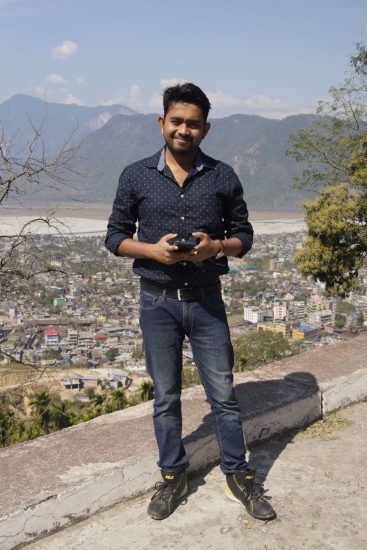
Centering a subject creates strength, formality, and balance. This technique is especially effective for portraits with dramatic lighting or strong eye contact.
Pro Tip: When symmetry is involved, ensure that both sides of the frame are balanced to avoid distraction.
🚀 Advanced Portrait Composition Ideas
Depth of Field and Background Control
A shallow depth of field can isolate the subject by blurring the background. This makes the portrait visually striking and professional. Composition here involves choosing the right aperture and distance from the background.
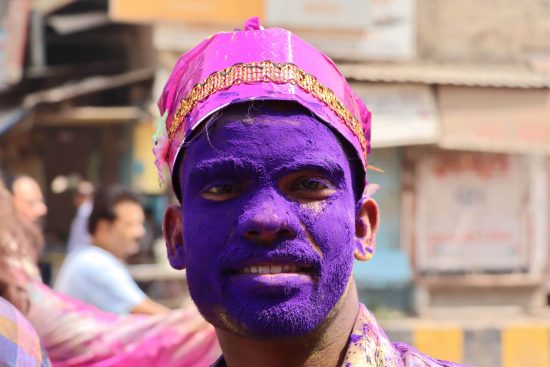
Pro Tip: Use an aperture like f/1.8 or f/2.8 for dreamy, soft backgrounds in outdoor portraits.
Using Reflections and Layers
Mirrors, glass, and water can add reflections that enrich the composition. They create layers and depth, offering unique storytelling opportunities. Shooting through windows, for instance, can give portraits a sense of mystery.
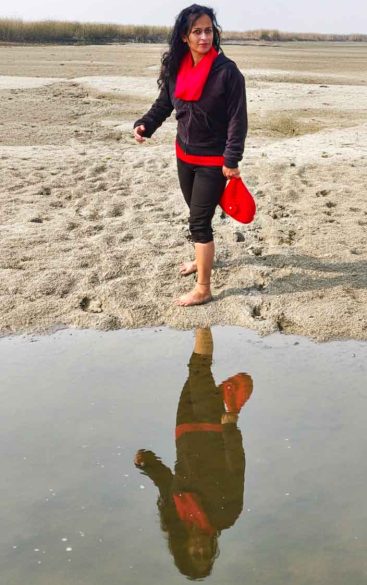
Pro Tip: Experiment with reflections in city environments, like puddles after rain or shop windows.
Creative Cropping for Impact
Sometimes, what you leave out is just as important as what you include. Cropping tightly around the face emphasizes expressions, while cutting parts of the body can create intrigue.
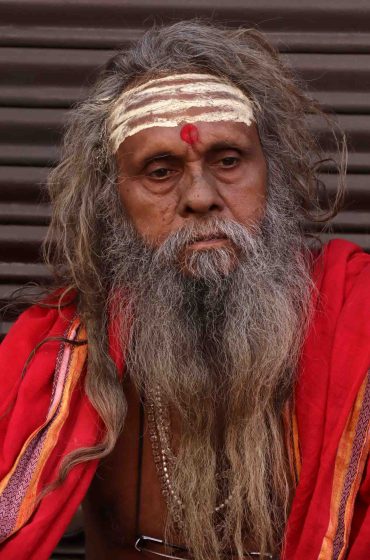
However, avoid cropping at awkward places like joints (elbows, knees) as it feels unnatural.
Pro Tip: Cropping around the eyes or lips can create abstract yet powerful portraits.
Rule of Odds in Portrait Photography
The rule of odds suggests that images are more interesting when they feature an odd number of subjects. A portrait of three people often feels more balanced than one with two.
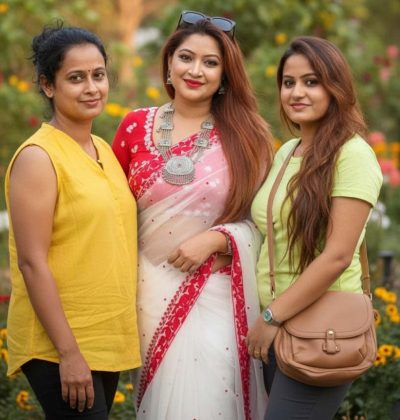
Pro Tip: Use this when photographing groups or family portraits to maintain harmony in the frame.
Diagonal Compositions
Diagonals add energy and dynamism. Positioning the subject along a diagonal line in the frame creates tension and movement. This works especially well in fashion and editorial portraits.
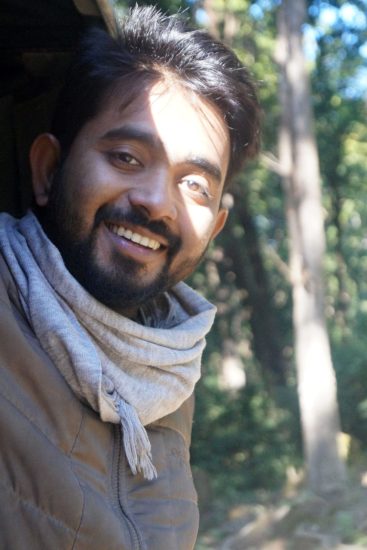
Pro Tip: Use natural lines like shadows, arms, or background elements at an angle to guide the viewer’s eye diagonally toward the subject’s face.
⚠️ Common Mistakes in Portrait Photography Composition

Even skilled photographers can make errors that weaken a portrait. Here are some to avoid:
Cutting at Joints: Cropping at elbows, knees, or wrists makes portraits feel awkward.
Distracting Backgrounds: Unchecked clutter pulls focus away from the subject.
Ignoring Eye Level: Shooting from the wrong height can distort proportions.
Too Much Empty Space: While negative space is powerful, overusing it weakens subject presence.
Over-Centering: Always placing the subject in the middle can make photos repetitive.
❓ FAQs About Portrait Photography Composition
Q1: What is the best composition for portrait photography?
The best composition depends on the mood. The rule of thirds is reliable, but techniques like symmetry or negative space can create striking alternatives.
Q2: How do beginners learn portrait composition?
Start with the rule of thirds, then practice using lines, frames, and background control. Experimenting regularly helps develop a natural sense of balance.

Q3: Do professional photographers always follow composition rules?
No. Professionals know the rules but break them intentionally to achieve creative effects. Understanding the basics allows for more artistic freedom.
Q4: Should I always blur the background in portraits?
Not always. A blurred background isolates the subject, but sometimes including details of the environment adds context and story.
Q5: How do I make my portraits more unique with composition?
Experiment with reflections, creative cropping, unusual angles, and layered framing. Personal style emerges when you move beyond standard rules.
🎬 Conclusion
Portrait photography composition techniques are the heart of every captivating portrait. They transform simple shots into stories that connect deeply with viewers. From the rule of thirds to leading lines, every method helps you guide attention and emotion through the frame. Strong composition builds harmony, balance, and visual rhythm — turning an ordinary portrait into expressive art.
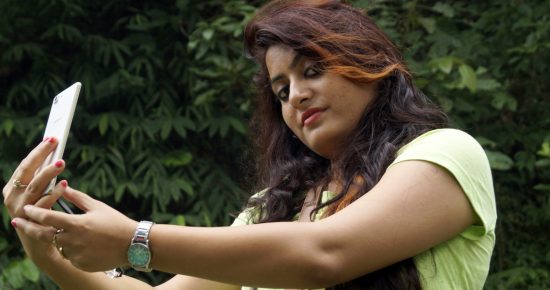
As you grow, experiment with angles, symmetry, and negative space to discover what defines your creative voice. Learn the rules, apply them with intent, and then challenge them to express individuality. Each frame you compose becomes a reflection of your understanding of light, emotion, and human connection.
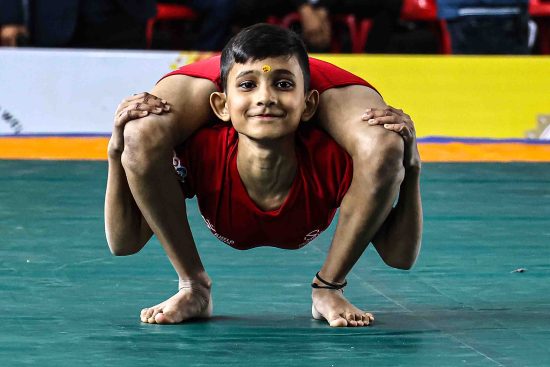
Remember, portrait photography composition techniques are not just technical tools — they’re artistic choices that shape how your audience feels. With practice, patience, and vision, your portraits can move beyond aesthetics and tell unforgettable visual stories.
👉 Call to Action:
Pick up your camera today and explore new portrait photography composition techniques. Study light, framing, and emotion. Capture faces that tell stories, and share your work to inspire others. Every portrait you create brings you closer to mastering the art of visual storytelling.
Recent Comments