


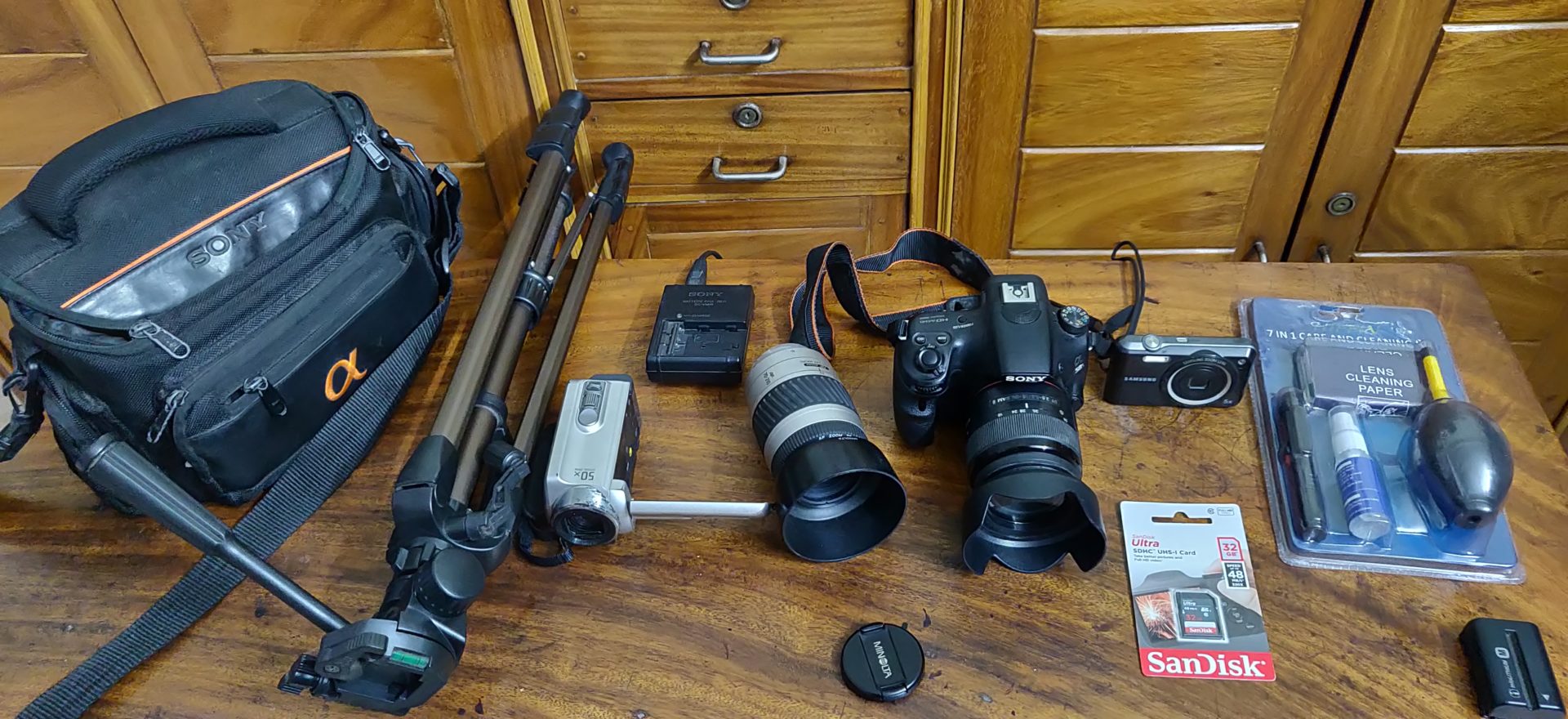
Equipment Necessary for Photography: What You Really Need
📖 Index: Photography Equipment
📸 Quick Navigation
- 🐯 Introduction
- 📷 Camera — The Heart of Photography
- 🎯 Lenses — Shaping Your Perspective
- 🦵 Tripod — For Stability and Long Exposure
- 💡 Lighting Gear — Illuminate Your Subject
- 💾 Memory Cards and Storage Devices
- 🎒 Camera Bag — Protection and Organization
- 🔋 Batteries and Chargers
- 🧽 Cleaning Kit — Maintain Your Gear
- 🧰 Optional Accessories
- ❓ FAQ — Equipment Necessary for Photography
- 📘 Conclusion — Building the Perfect Photography Kit
🐯 Introduction
Photography is more than just pressing a button—it’s about capturing stories, emotions, and memories that last a lifetime. While creativity and vision are the soul of photography, the gear you choose becomes the medium through which your imagination takes form. The equipment necessary for photography isn’t just limited to a camera; it includes a wide range of tools that ensure sharpness, stability, lighting control, and convenience. From beginners learning the basics to enthusiasts preparing for advanced shoots, understanding your equipment is the first step to mastering this art. In this guide, we’ll dive deep into each essential tool, exploring why it matters, how to choose the right one, and tips to maximize its potential.
📷 Camera — The Heart of Photography
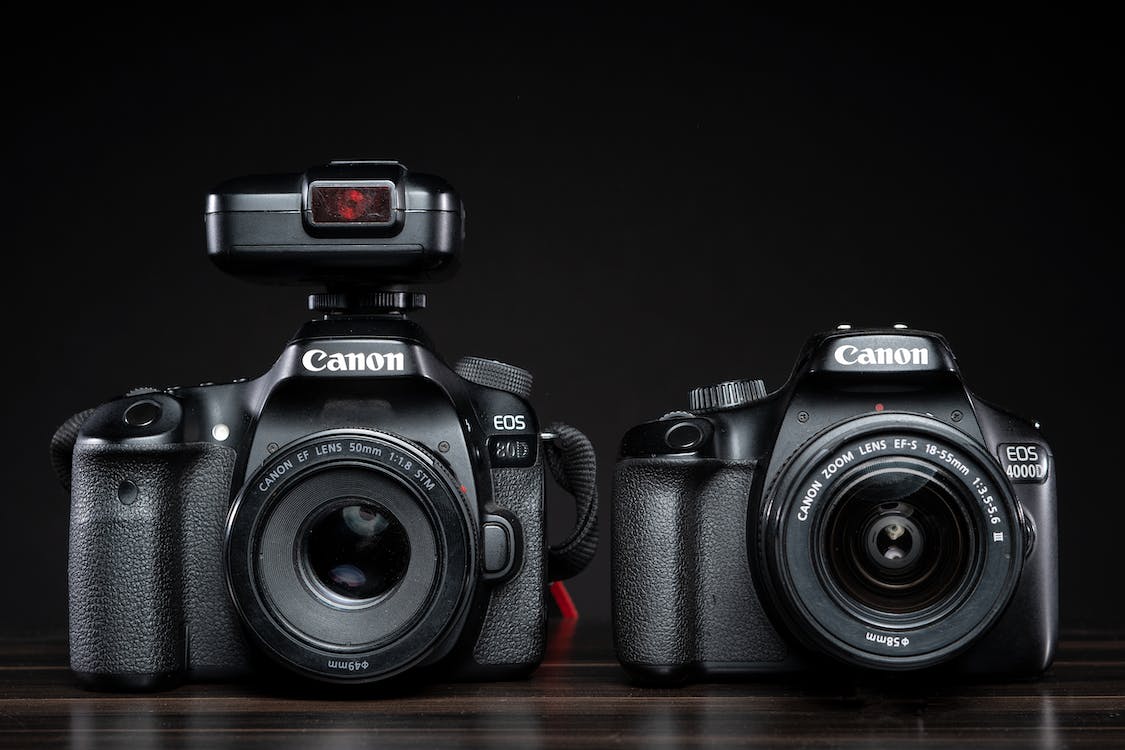
Your camera is the foundation of your photography kit. Choosing the right type sets the tone for your learning curve and creative possibilities.
Types of Cameras:
-
DSLR Cameras – Known for their superior image quality, interchangeable lenses, and manual controls. Perfect for those who want complete creative control.
-
Mirrorless Cameras – Lightweight, compact, and increasingly popular. Offer DSLR-level image quality with faster autofocus and silent shooting modes.
-
Compact Digital Cameras – Easy-to-carry, affordable, and beginner-friendly. Great for everyday snapshots.
-
Smartphone Cameras – Today’s smartphones rival point-and-shoot cameras. With advanced sensors and AI features, they are often the entry point for new photographers.
✅ Pro Tip: Instead of chasing the latest model, focus on a camera that matches your style—landscape, portrait, wildlife, or street. A beginner DSLR or mid-range mirrorless camera can easily last several years.
🎯 Lenses — Shaping Your Perspective
A lens dramatically influences how your photo looks. While the camera body records the image, the lens defines sharpness, perspective, and depth of field.
Common Types of Lenses:
-
Prime Lenses (Fixed focal length) – Renowned for sharpness and wide apertures (like f/1.8), excellent for portraits and low-light shots.
-
Zoom Lenses (Variable focal length) – Offer versatility, letting you capture wide-angle and telephoto shots without changing lenses.
-
Wide-Angle Lenses – Best for landscapes, interiors, and architecture, capturing expansive views.
-
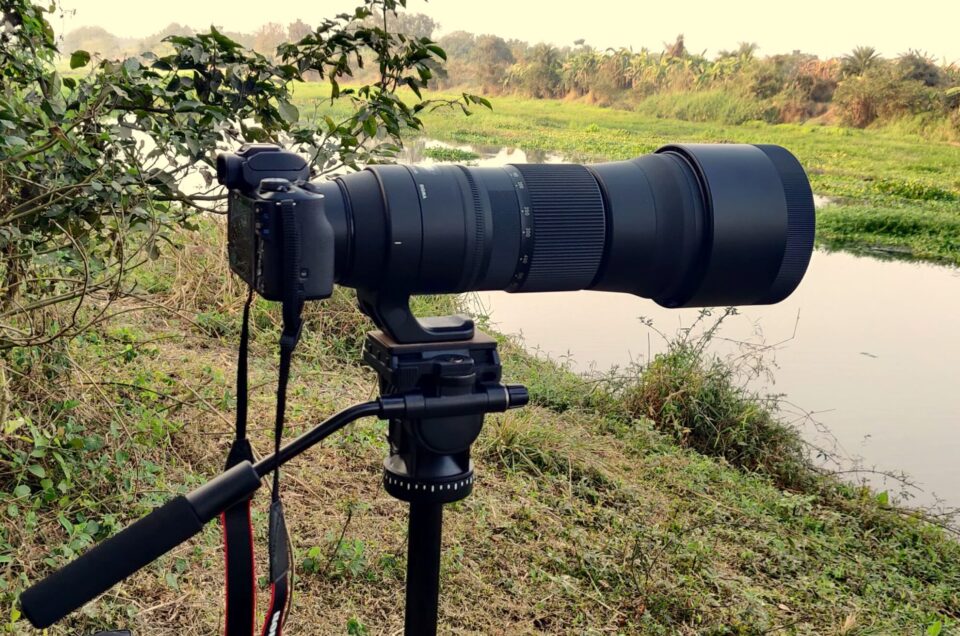
Telephoto Lenses – Ideal for wildlife, sports, and distant subjects.
-
Macro Lenses – For extreme close-ups of flowers, insects, and tiny details.
✅ Pro Tip: If you’re on a budget, start with a “nifty fifty” (50mm f/1.8 prime). It’s affordable, lightweight, and produces professional-quality results.
🦵 Tripod — For Stability and Long Exposure
Even the steadiest hands can’t rival the stability of a tripod. It’s essential for situations where sharpness and consistency matter most.
Why a Tripod is Necessary:
-
Long exposure shots (night skies, waterfalls, light trails)
-
Time-lapse and astrophotography
-
Self-portraits and videos
Choosing the Right Tripod:
-
Material: Carbon fiber (lightweight, durable) vs. aluminum (cheaper, heavier).
-
Head Type: Ball head (versatile), pan-tilt head (precise control).
-
Portability: Foldable legs and compact size for travel.
✅ Pro Tip: Always check your tripod’s weight capacity to ensure it can handle your camera and lens combination.
💡 Lighting Gear — Illuminate Your Subject
Light is everything in photography—it can make or break your shot. While natural light is powerful, artificial lighting gear gives you control.
Essential Lighting Equipment:
-
External Flash (Speedlight): Portable and powerful, ideal for events and portraits.
-
Softboxes and Umbrellas: Soften harsh light, reducing shadows.
-
Ring Lights: Popular for portraits and product photography.
-
Reflectors and Diffusers: Affordable tools that manipulate natural light.
✅ Pro Tip: For beginners, start with a reflector—it’s cheap but incredibly effective for outdoor portraits.
💾 Memory Cards and Storage Devices
In the digital age, memory cards are the lifeline of photography. Without reliable storage, even the most stunning shot is lost. Choosing the right card ensures faster shooting, smoother video recording, and secure data handling.
📦 Types of Memory Cards:
-
SD Cards (Secure Digital): The most common, compatible with DSLRs, mirrorless, and compact cameras.
-
CF & XQD/CFexpress Cards: Preferred in high-end cameras for their faster read/write speeds, crucial for 4K/8K video and burst photography.
-
MicroSD Cards: Usually used in action cameras and drones, but often less durable for professional work.
✅ Pro Tip: Always format your memory card in-camera after backing up files to prevent corruption and extend its lifespan.
🎒 Camera Bag — Protection and Organization
Your gear is an investment, and a sturdy bag ensures protection and mobility.
Features to Look For:
-
Padded compartments to prevent damage.
-
Weather-resistant material for outdoor shoots.
-
Multiple pockets for accessories.
-
Backpack style for comfort on long trips.
✅ Pro Tip: Invest in a camera bag that’s slightly larger than your current gear—you’ll thank yourself when your kit grows.
🔋 Batteries and Chargers
Running out of power in the middle of a shoot is a nightmare. Extra batteries are as important as your camera itself.
Power Essentials:
-
Carry 2–3 spare batteries for longer sessions.
-
Use fast chargers to reduce downtime.
-
Power banks (USB-C enabled) are handy for mirrorless and compact cameras.
✅ Pro Tip: Store batteries in a cool place and rotate their usage to extend life.
🧽 Cleaning Kit: Maintain Your Gear
Keeping your camera and lenses clean is vital for sharp, high-quality images. A basic cleaning kit should include
- A microfiber cloth for smudges,
- A blower brush to remove dust, and
- A lens cleaning solution for stubborn marks.
- For advanced users, sensor swabs help clean the camera sensor safely.
✅ Pro Tip: Regular maintenance not only improves image clarity but also extends the life of your equipment. Always clean gently and avoid using rough cloths or household cleaners.
🧰 Optional Accessories
While not essential, certain accessories can make photography easier and more creative:
-
Remote Shutter Release: Prevents camera shake during long exposures or macro shots.
-
Lens Filters (UV, ND, Polarizer): Protect lenses, manage light, and enhance colors or reflections.
-
Camera Straps: Offer comfort and reduce fatigue during long shoots.
-
Gimbal or Stabilizer: Keeps video footage smooth and professional.
-
Light Meter: Helps achieve accurate exposure in tricky lighting.
-
Monitor Calibration Tools: Ensure colors stay true during post-processing.
✅ Pro Tip: These add-ons improve workflow, open new creative possibilities, and can be added gradually as your skills grow.
❓ FAQ — Equipment Necessary for Photography
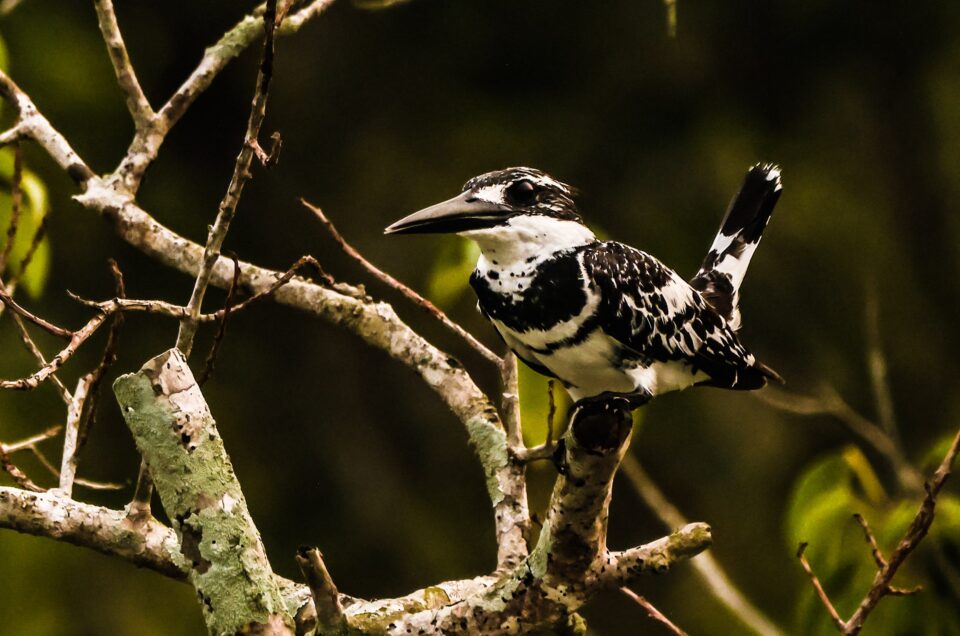
Common Green Magpai in Darjeeling
Q1. What equipment is necessary for photography for beginners?
Beginners need a basic camera, a versatile lens (like 18–55mm or 50mm prime), a tripod, memory cards, and extra batteries. These essentials cover most photography situations.
Q2. Do I need expensive equipment to start photography?
No. You can start with budget-friendly DSLR or mirrorless cameras. Skill, creativity, and learning the basics matter more than having expensive gear in the beginning.
Q3. Which lens is best for beginner photographers?
A 50mm prime lens is a great choice for portraits, while an 18–55mm zoom lens offers versatility for landscapes and everyday photography. Both are affordable and effective.
Q4. Is a tripod really necessary in photography?
Yes, a tripod is essential for long exposure, night photography, landscapes, and macro shots. It reduces camera shake and ensures sharper results.
Q5. What lighting equipment should I start with?
A simple reflector or an external flash (speedlight) is ideal for beginners. They help control shadows and enhance image quality without requiring expensive studio lights.
Q6. How do I maintain my photography equipment?
Always use a padded camera bag, keep lenses clean with a microfiber cloth and blower brush, and store gear in a dry place to avoid dust and moisture damage.
Q7. What optional accessories can improve photography results?
Useful accessories include lens filters (UV, ND, polarizer), a remote shutter release, gimbals for video, and light meters. These expand creative control as your skills advance.
📘 Conclusion — Building the Perfect Photography Kit
Having the right equipment necessary for photography is the foundation of every great image. Whether you’re just starting with a basic camera and kit lens or building a professional setup with advanced lighting and accessories, your gear directly impacts the quality and creativity of your photos. Beginners should focus on essential tools like a reliable camera, versatile lens, sturdy tripod, and extra batteries, while gradually adding lighting gear, filters, and storage solutions as their skills grow.
Remember, investing in quality photography equipment is less about owning the most expensive gear and more about choosing tools that match your style — whether it’s portraits, landscapes, wildlife, or street photography. By understanding and building the right kit step by step, you’ll unlock greater control, sharper images, and more creative possibilities. With the proper equipment and a passion for learning, you’ll be ready to tell powerful visual stories that stand out.
👉 Call to Action: Ready to take your photography to the next level? Start building your dream setup with the right equipment necessary for photography today. Whether it’s upgrading your camera, adding a reliable tripod, or experimenting with new lighting gear — every piece of equipment brings you closer to creative perfection. Don’t wait for the “perfect moment” — create it. Pick up your gear, explore, and let your lens tell the story your heart envisions.
Recent Comments