


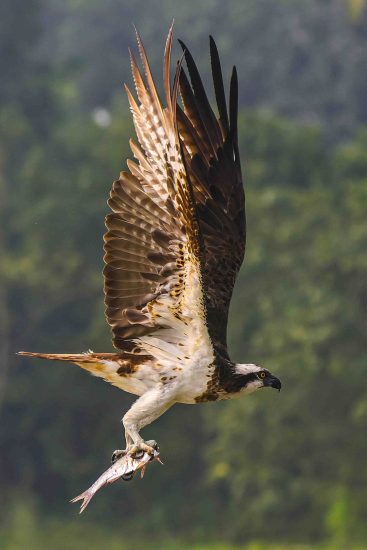
Digital photography relies on the use of lenses to capture images with varying perspectives, focal lengths, and optical qualities. Lenses are a crucial component of a camera system and play a significant role in determining the quality and characteristics of photographs. In digital photography, the light reflected from the object to be photographed travels through the lens and gathered by the sensor in the camera body. The sensor frames the light to create the image. A basic digital camera has by-default fixed lens. But different types of lenses for photography can be mounted with a DSLR and mirrorless camera as necessary. These are of different zooming capacities and focal lengths. In this article, let’s explore some common types of lenses for digital photography and understand their unique features.
📸 Different types of lenses for digital photography are discussed bellow
🎯 Standard / Prime Lens
Prime lenses, also known as fixed focal length lenses, are lenses that have a fixed focal length and do not have zoom capabilities. They offer several advantages over zoom lenses, including generally better image quality, wider maximum aperture, and smaller size and weight.

Portrait photography clicked with 50mm prime lens (Holi in Varanasi)
Prime lenses are of fixed focal lengths, typically with a maximum aperture from f2.8 to f1.2. The focal lengths are generally 24mm, 35mm, 50mm, 85mm and more. This is one of the types of lenses, where Zoom in and zoom out is not at all possible. The photographer needs to move physically towards the object to take a magnified photograph.

Canon 50mm prime lens for Canon DSLR
Here are some key features and benefits of prime lenses:
- Fixed Focal Length: Prime lenses have a single focal length, such as 50mm or 85mm. This means they offer a fixed field of view, which can be advantageous for specific types of photography, such as portraits, street photography, and low-light situations.
- Larger Aperture: This is one of the types of lenses for digital photography, that often have larger maximum apertures compared to zoom lenses. A wide maximum aperture, such as f/1.4 or f/1.8, allows more light to enter the lens, enabling faster shutter speeds and better performance in low-light conditions. It also provides a shallow depth of field, allowing for selective focus and creating a pleasing background blur (bokeh).
- Image Quality: Prime lenses are known for their superior image quality. They typically have fewer lens elements and simpler designs compared to zoom lenses, which can result in sharper images, reduced lens aberrations, and less distortion. Many photographers prefer prime lenses for their optical performance.
- Compact and Lightweight: Prime lenses are generally smaller and lighter than zoom lenses since they don’t require the complex internal mechanisms of zoom lenses. This makes them more portable and easier to carry around, making them popular choices for travel and street photography.
- Creative Control: With a fixed focal length, photographers must physically move closer or farther from the subject to compose the shot. This can encourage creativity and force photographers to think more about their composition. Prime lenses also often offer a wider maximum aperture, allowing for greater control over depth of field and low-light shooting.
*Explore Prime lenses on Amazon
🔍 Zoom Lens
A zoom lens is one of the types of lenses for digital photography, that has a variable focal length, allowing you to change the magnification and field of view of the lens. It offers the ability to zoom in or out, hence the name “zoom” lens. This is in contrast to a fixed focal length lens, also known as a prime lens, which has a single, non-adjustable focal length. Zoom lenses are commonly used in photography and videography to provide versatility and flexibility in capturing different subjects and compositions without changing lenses. They are especially useful in situations where you may not have the opportunity to physically move closer to or farther from your subject, such as in wildlife photography, sports photography, or when shooting events from a distance.
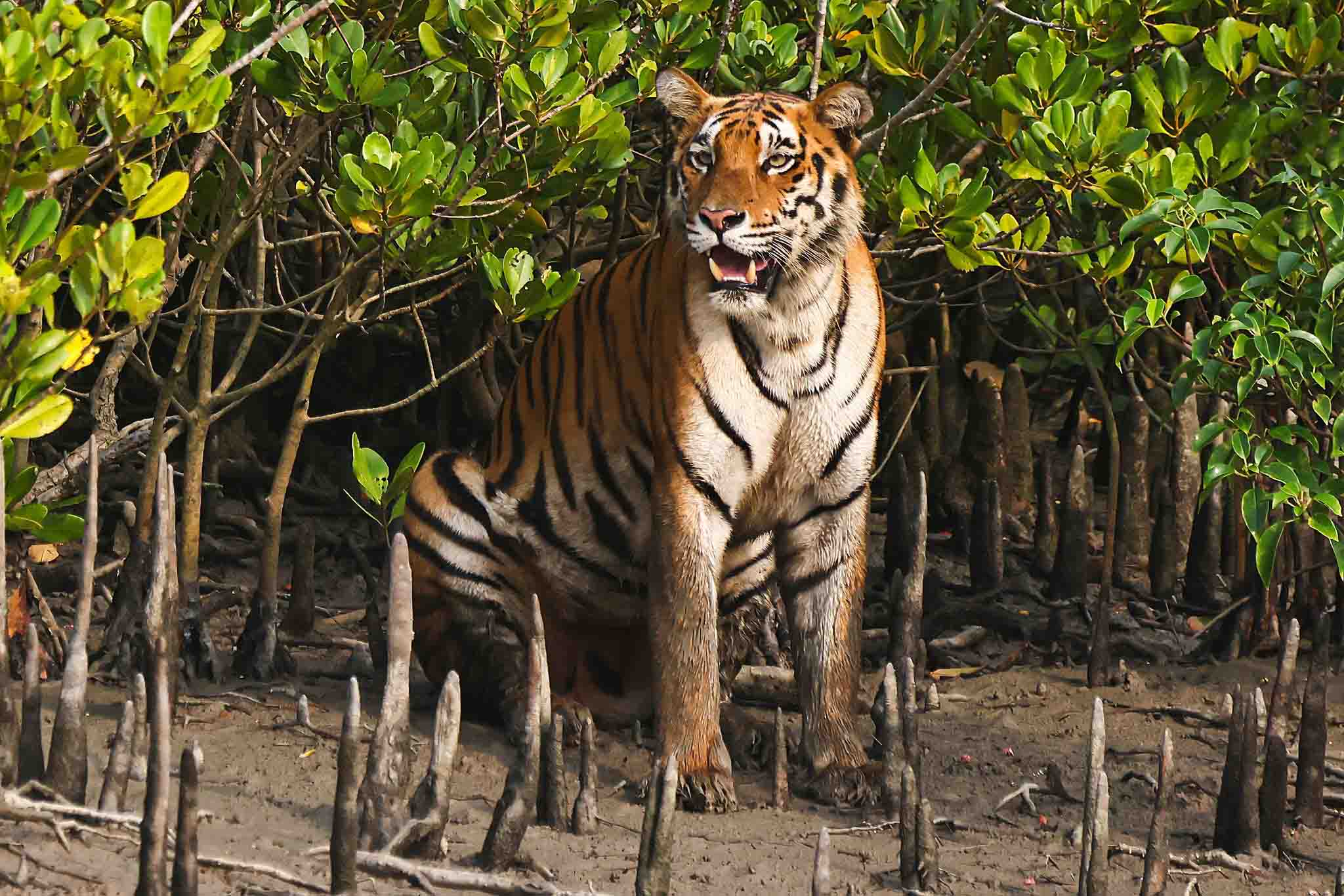
Royal Bengal Tiger of Sundarban Mangroves
Zoom lenses typically have a range of focal lengths specified in millimeters (e.g., 24-70mm, 70-200mm). The first number represents the wide-angle end of the lens, and the second number represents the telephoto end. For example, a 24-70mm zoom lens offers a wide-angle perspective at 24mm and a more telephoto perspective at 70mm. Zoom lenses have a maximum relative aperture range(minimum f-number) of f/2.8 to f/6.3. High-end lenses will have a constant aperture, such as f/2.8 or f/4, which means that the relative aperture will stay the same throughout the zoom range.

Nikon AF-P DX Nikkor 70-300 mm zoom lens
Here are some key features and benefits of zoom lenses:
- Variable Focal Length: Zoom lenses have a variable focal length, allowing you to adjust the lens to different focal lengths within a specified range. This feature enables you to zoom in and out, giving you the ability to capture a wide range of subjects, from wide-angle landscapes to telephoto shots of distant subjects.
- Magnification Flexibility: Zoom lenses are the types of lenses for digital photography, that offer the advantage of adjustable magnification, allowing you to frame your subjects more precisely. You can zoom in to capture distant details or zoom out to include more of the scene. This versatility makes zoom lenses suitable for various photography genres, such as landscapes, wildlife, sports, portraits, and events.
- Convenience and Efficiency: With a zoom lens, you can quickly adjust the focal length to adapt to different shooting situations without the need to change lenses. This saves time and ensures you don’t miss important moments.
*Zoom lenses are especially useful in situations where there isn’t enough time or space to physically move closer or farther away from your subject.
- Wide Angle to Telephoto Range: Depending on the specific zoom lens, they can cover a wide range of focal lengths, from wide-angle to telephoto. Wide-angle zooms (e.g., 16-35mm) are great for capturing expansive landscapes or fitting more elements into the frame. Telephoto zooms (e.g., 70-200mm) are useful for isolating subjects, shooting from a distance, or capturing close-ups of wildlife or sports action.
- Optical Stabilization: Many zoom lenses come equipped with optical stabilization technology. This feature helps to minimize camera shake and reduces the risk of blurry images, especially when shooting handheld or in low-light conditions. Optical stabilization compensates for small movements of your hand, allowing you to capture sharper photos at slower shutter speeds.
- Image Quality: Zoom lenses have evolved significantly in terms of image quality. While prime lenses traditionally offered superior optical performance, modern zoom lenses can deliver impressive image quality throughout their focal range. High-quality zoom lenses maintain sharpness, minimize distortions, control chromatic aberrations, and provide good contrast and color rendition.
- Versatility for Travel and Everyday Use: Zoom lenses are popular choices for travel and everyday photography due to their versatility. A single zoom lens can cover a wide range of focal lengths, reducing the need to carry multiple lenses and saving space in your camera bag. This convenience allows you to be prepared for various shooting scenarios, making zoom lenses ideal for capturing diverse subjects during your travels or daily outings.
*Explore zoom lenses on Amazon
🐞 Macro Lens
A macro lens is one of the types of lenses for digital photography, that specifically designed for close-up photography. It allows you to capture detailed images of small subjects at a high magnification ratio, enabling you to focus on fine details that may not be visible to the naked eye. Small objects includes, insects, water drops, small flowers, leaves, gem stones and more.

Photograph captured using macro lens
Macro lenses are commonly used in various fields, including nature photography, product photography, and scientific photography, where capturing intricate details is crucial. These lenses offer a minimum focusing distance that allows you to get very close to the subject, resulting in a larger image on the camera’s sensor.

Tamron SP 90 mm macro lens for Canon DSLR
Here are a few key features and considerations when choosing a macro lens:
- Magnification Ratio: Macro lenses are often described by their maximum magnification ratio, which indicates how much the lens can magnify the subject. For example, a 1:1 magnification ratio means the subject will be projected onto the camera sensor at life-size.
- Focal Length: Macro lenses are available in different focal lengths, such as 50mm, 100mm, or 200mm. Shorter focal lengths (e.g., 50mm) are generally more affordable and versatile, suitable for both macro and portrait photography. Longer focal lengths (e.g., 100mm and above) provide greater working distance, useful when you need to keep some distance between the camera and the subject, such as capturing shy insects.
- Aperture: A wider maximum aperture (smaller f-number) allows for more light to enter the lens, enabling faster shutter speeds and better low-light performance. It also provides a shallower depth of field, allowing you to isolate the subject from the background with a pleasing blur (bokeh).
- Image Stabilization: Some macro lenses feature built-in image stabilization, which helps reduce camera shake when shooting handheld. This can be particularly useful when working with higher magnification ratios, where even slight movements can result in blurry images.
- Compatibility: Ensure that the macro lens you choose is compatible with your camera’s mount. Different camera manufacturers have their own lens mounts, so make sure the lens is designed for your specific camera brand.
*Explore macro lenses on Amazon
🦅 Telephoto Lens
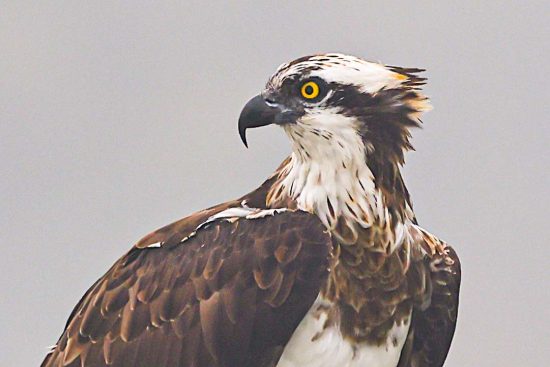
A telephoto lens is one of the types of lenses for digital photography which has a longer focal length than a standard lens, allowing it to bring distant subjects closer and magnify them optically. It is commonly used in photography and videography when the subject is far away and needs to be captured in detail.

Common Kingfisher captured with Telephoto lens
It’s important to note that telephoto lenses tend to be larger, heavier, and more expensive compared to standard lenses due to the complex optics required to achieve the longer focal length. When using a telephoto lens, it’s recommended to stabilize your camera either with a tripod or by using proper handholding techniques to avoid camera shake and ensure sharp images.
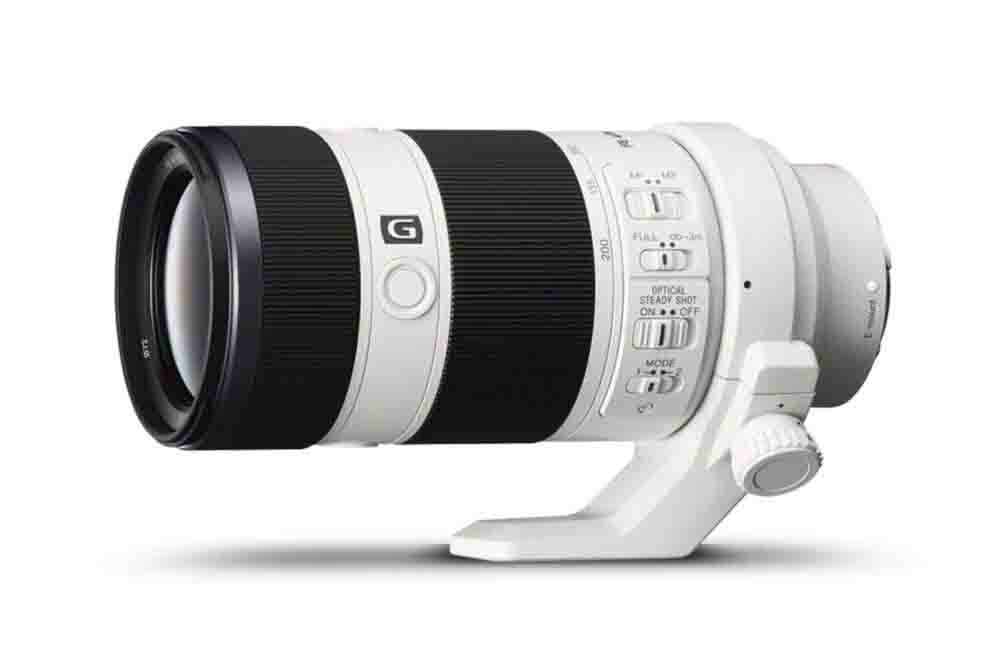
Sony E Mount FE 70–200mm F4 G OSS Full-Frame Lens (SEL70200G)
Here are some key features and benefits of telephoto lenses:
- Magnification: Telephoto lenses have a narrow angle of view. It results in magnifying distant subjects, making them appear closer and larger in the frame. This is especially useful for wildlife, sports, and landscape photography.
- Compression: Telephoto lenses compress the perspective of a scene, making the background appear closer to the subject. This effect can be used creatively to isolate the subject and create a visually appealing separation between foreground and background elements.
- Depth of Field Control: Telephoto lenses have a shallow depth of field, which allows you to selectively focus on your subject while blurring the background. This is ideal for portrait photography where you want to create a pleasing bokeh (background blur).
- Image Stabilization: Many telephoto lenses come equipped with image stabilization technology to compensate for camera shake. This feature is particularly important when shooting handheld with longer focal lengths, as it helps to minimize blur caused by unsteady hands.
- Versatility: Telephoto lenses come in a range of focal lengths, from moderate telephoto to super telephoto. This versatility allows photographers to adapt to various shooting scenarios, such as sports, wildlife, concerts, and even astrophotography.
- Long-Distance Photography: Telephoto lenses excel at capturing subjects that are far away, such as birds, wildlife, or distant landscapes. They enable photographers to get closer to the action without physically moving closer, which is often impractical or impossible.
*Explore telephoto lenses on Amazon
🌄 Wide Angle Lens
A wide-angle lens, also known as a wide-angle zoom lens, is one of the types of lenses for photography, which has a short focal length. It captures a wider field of view compared to a standard lens, allowing you to fit more into the frame. Wide-angle lenses are commonly used in landscape, architecture, and interior photography, where the expansive view is desired.
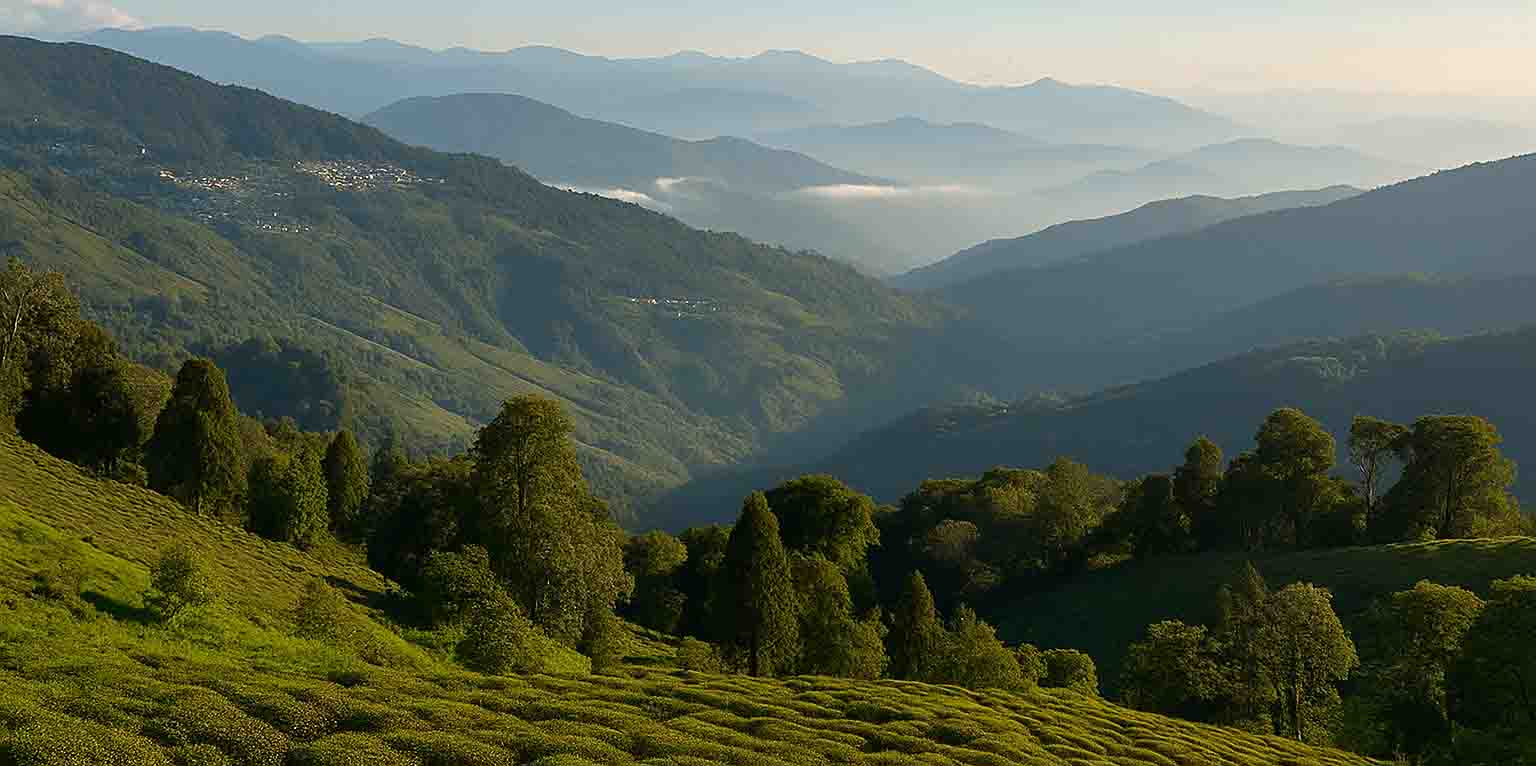
Landscape Photography in Darjeeling
A wide-angle lens is a type of camera lens with a short focal length. It captures a wider field of view compared to a standard lens, allowing you to fit more into the frame. Wide-angle lenses are commonly used in landscape, architecture, and interior photography, where the expansive view is desired.
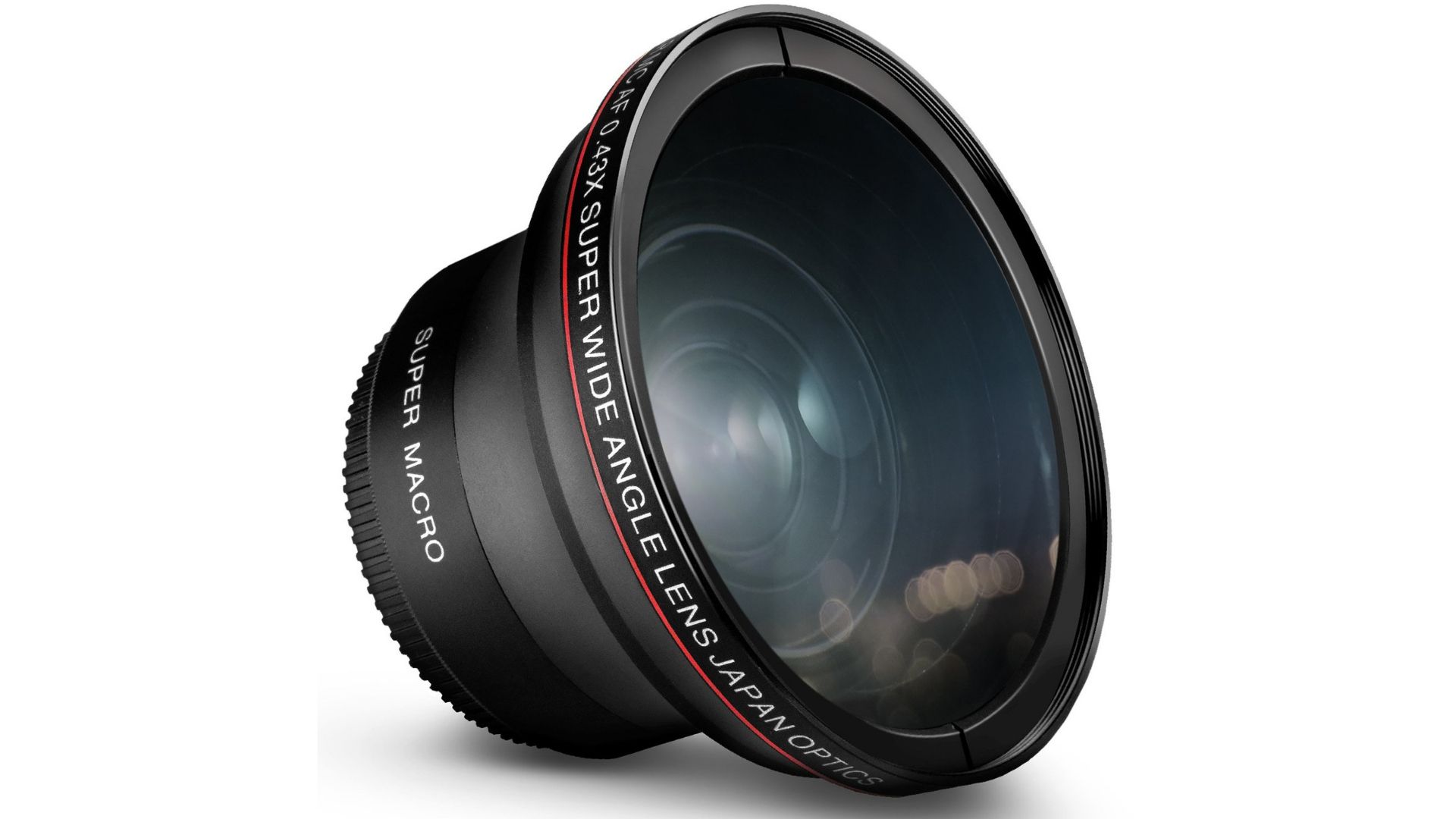
Altura Photo KZ0016 HD wide angle lens
Here are a few key characteristics and benefits of wide-angle lenses:
- Field of View: Wide-angle lenses have a wider field of view, typically ranging from 90 to 120 degrees, depending on the focal length. This allows you to capture more of the scene, including expansive landscapes or tight interior spaces.
- Distortion: Wide-angle lenses tend to have some degree of distortion, particularly at the edges of the frame. This can result in a unique visual effect, emphasizing perspective and creating a sense of depth.
- Perspective: With a wide-angle lens, objects closer to the camera appear larger, while those farther away seem smaller. This exaggeration of perspective can be used creatively to create dramatic and dynamic compositions.
- Close Proximity: This is one of the types of lenses for digital photography, that allows you to get closer to your subject while still capturing a wider scene. This is particularly useful in situations where physical distance or space is limited. Tight interiors or crowded environments are appropriate to use wide angle lenses.
- Environmental Context: Wide-angle lenses excel at capturing not only the main subject but also the surrounding environment. They provide a broader context, making them ideal for storytelling or documentary-style photography.
*Explore wide angle lenses on Amazon
🐠 Fisheye Lens
A fish-eye lens is a type of wide-angle camera lens that produces a unique distortion effect. It is named after the way it resembles the eye of a fish. It captures an extremely wide field of view, often up to 180 degrees or even more. This results in a characteristic bulging or barrel distortion, where straight lines appear curved near the edges of the image. Fish-eye lenses are popular among photographers and videographers for various creative purposes. They are commonly used in artistic and experimental photography, architectural photography, sports photography, and immersive or panoramic photography.
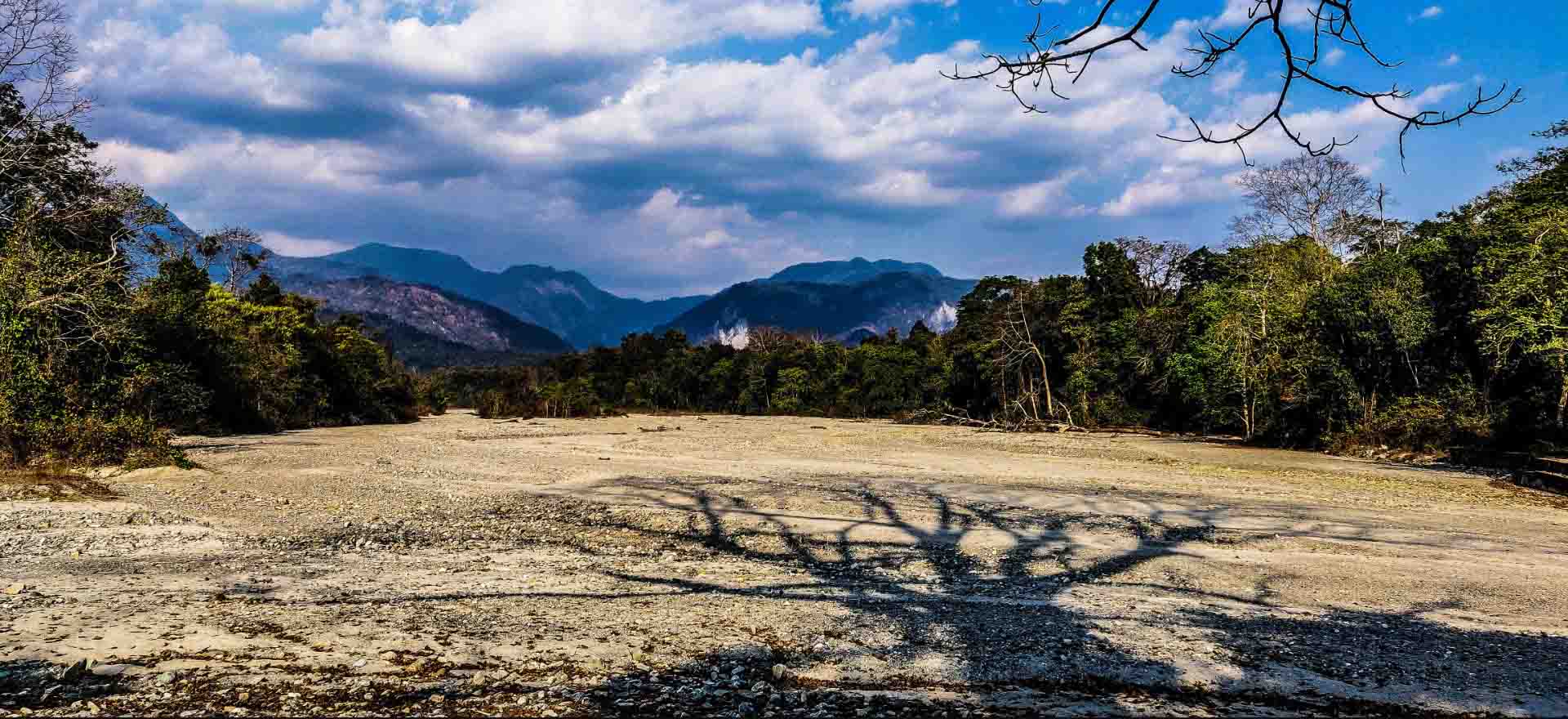
Landscape Photography in Dooars, India
The exaggerated perspective and distortion produced by a fish-eye lens can create dynamic and visually striking images. The curved lines and wide field of view can give a sense of depth and immersion to the viewer. However, it’s worth noting that the extreme distortion of a fish-eye lens may not be desirable for all types of photography. And it can lead to a loss of detail and distortion of subjects near the edges of the frame.
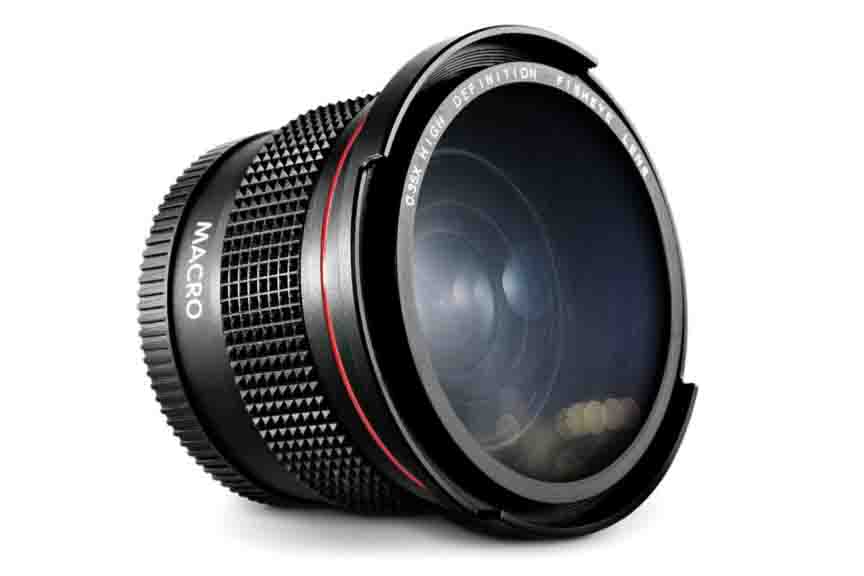
Altura Photo 52mm 0.35 x Professional Fisheye Lens
Here are some key features and benefits of Fisheye lenses:
- Distorted Perspective: One of the key features of a fish eye lens is its strong distortion effect. Straight lines near the edges of the frame appear curved or bent, creating a unique and exaggerated perspective. This distortion gives a sense of depth and can add a creative and surreal element to photographs.
- Extreme Wide Angle: Fish eye lenses offer an exceptionally wide field of view, capturing a vast amount of the scene in a single frame. This wide angle allows you to capture expansive landscapes, architecture, and group shots even in tight spaces.
- Barrel Distortion: Fish eye lenses often exhibit barrel distortion. Here the center of the image appears relatively normal while the edges curve outward. This effect enhances the sense of depth. And the effect can be particularly noticeable when photographing subjects with straight lines, such as buildings or horizons.
- Strong Vignetting: Vignetting refers to the darkening of the corners of an image. Fish eye lenses tend to exhibit more pronounced vignetting compared to other lenses. This can contribute to the overall artistic effect of the photograph, drawing attention to the center of the frame.
- Close Focusing Distance: Fish eye lenses generally have a short minimum focusing distance. That allow you to get close to your subject while still capturing a wide perspective. This feature can be particularly useful for emphasizing foreground elements and creating a sense of immersion in the image.
- Creative Possibilities: Fish eye lenses offer a wide range of creative possibilities. Their unique distortion and exaggerated perspective can be used to create visually striking and dynamic images. They are often favored by photographers and videographers. They want to experiment with unconventional compositions and add a distinct look to their work.
*Explore fish eye lenses on Amazon
❓ Frequently Asked Questions (FAQs)
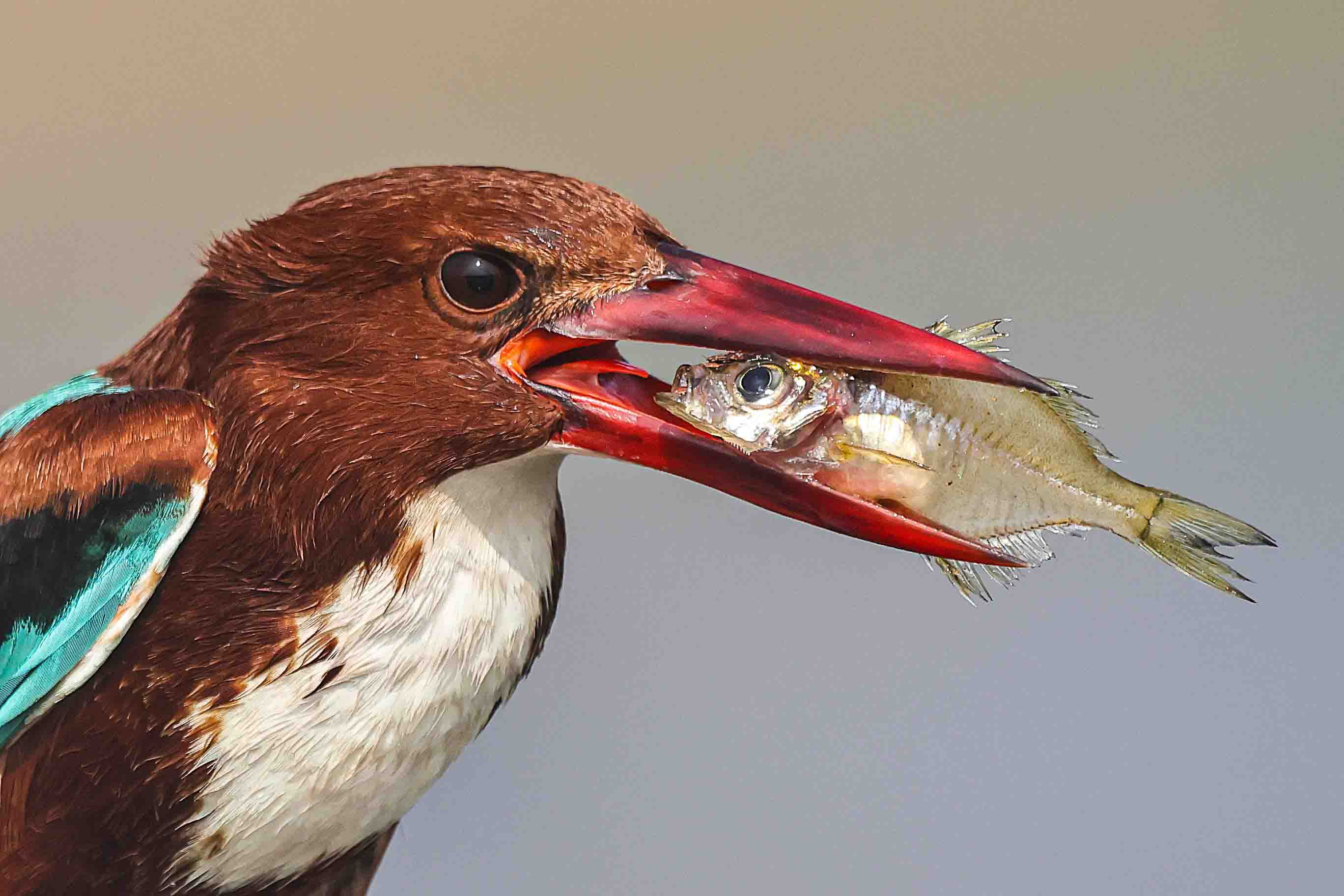
White-throated Kingfisher with Fish-catch
Q1. What are the main types of lenses used in digital photography?
The main types include prime lenses, zoom lenses, macro lenses, telephoto lenses, wide-angle lenses, and fisheye lenses. Each has its own purpose depending on the style of photography.
Q2. Which lens is best for beginners in photography?
For beginners, a standard 50mm prime lens or a versatile 18-55mm zoom lens is recommended. These options are affordable, lightweight, and perfect for learning the basics.
Q3. What is the difference between a prime lens and a zoom lens?
A prime lens has a fixed focal length, meaning you cannot zoom in or out, but it often provides sharper images and better low-light performance. A zoom lens offers multiple focal lengths, giving more flexibility in framing without changing lenses.
Q4. Which lens is best for portrait photography?
Portrait photographers often prefer prime lenses like the 50mm or 85mm because of their wide apertures and ability to create a soft, blurred background (bokeh).
Q5. Can DSLR lenses be used on mirrorless cameras?
Yes, DSLR lenses can often be used on mirrorless cameras with the help of a lens adapter. However, autofocus speed and compatibility may vary depending on the brand and adapter quality.
Q6. What lens should I use for wildlife photography?
Telephoto lenses (e.g., 70–200mm or 150–600mm) are best for wildlife photography because they allow you to capture distant subjects without disturbing them.

Recent Comments