

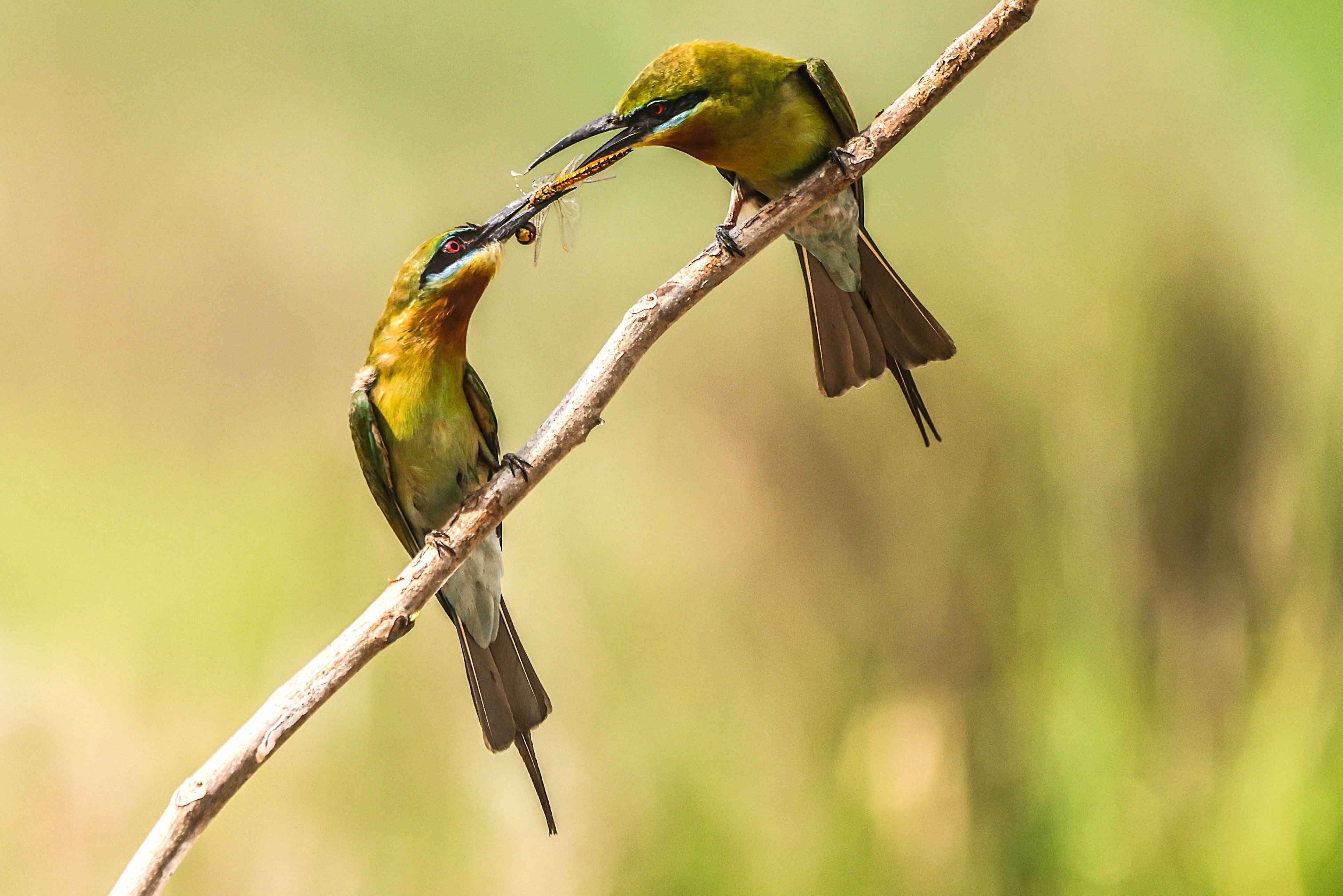
The Blue-tailed Bee-eater (Merops philippinus) is one of the most vibrant and fascinating birds found across tropical Asia. Known for its turquoise tail, emerald wings, and fiery chestnut throat, this bird is a true masterpiece of nature.
You can often spot it gliding gracefully over rivers, lakes, and open fields, hunting bees and dragonflies mid-air.
The blue-tailed bee-eater is not just a visual delight — it’s a perfect example of precision and balance in avian behavior. Its synchronized movements, cooperative nesting, and seasonal migration patterns make it a favorite among birdwatchers and wildlife photographers.
Learning about the blue-tailed bee-eater helps you understand how fragile ecosystems work in harmony.
Each flutter of its wings reminds us how interconnected all living beings are — and why conservation truly matters.
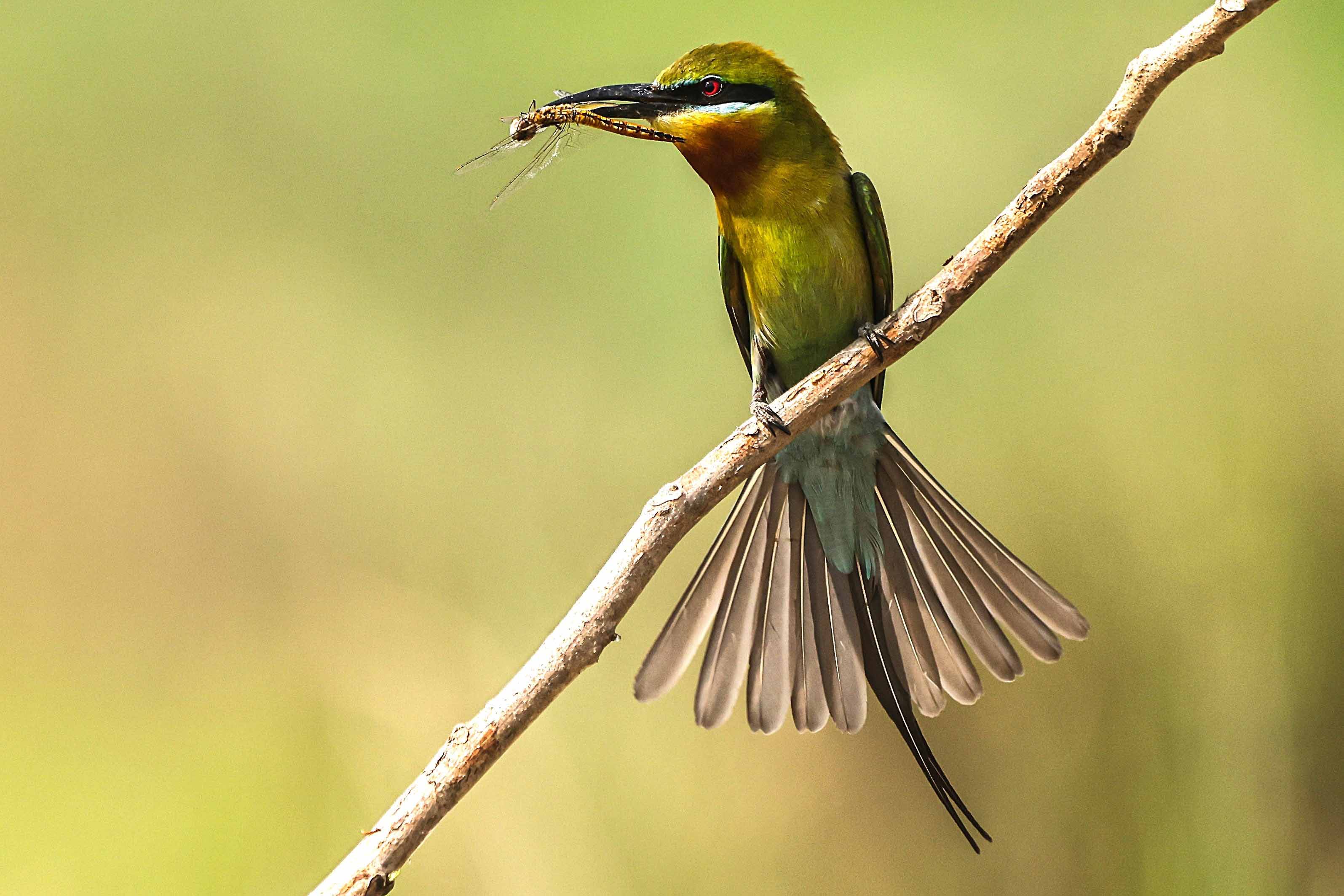
The Blue-tailed Bee-eater’s vibrant appearance makes it easy to spot:
Size: 23–26 cm (excluding tail streamers).
Plumage: Bright green upperparts, blue tail and rump, golden-brown crown and throat.
Eyes: Ruby red, with a black eye-stripe adding contrast.
Beak: Long, slender, and slightly curved — ideal for snatching insects mid-flight.
Flight: Fast, direct, and acrobatic; they can hover briefly before striking prey.
Behavioral Highlights:
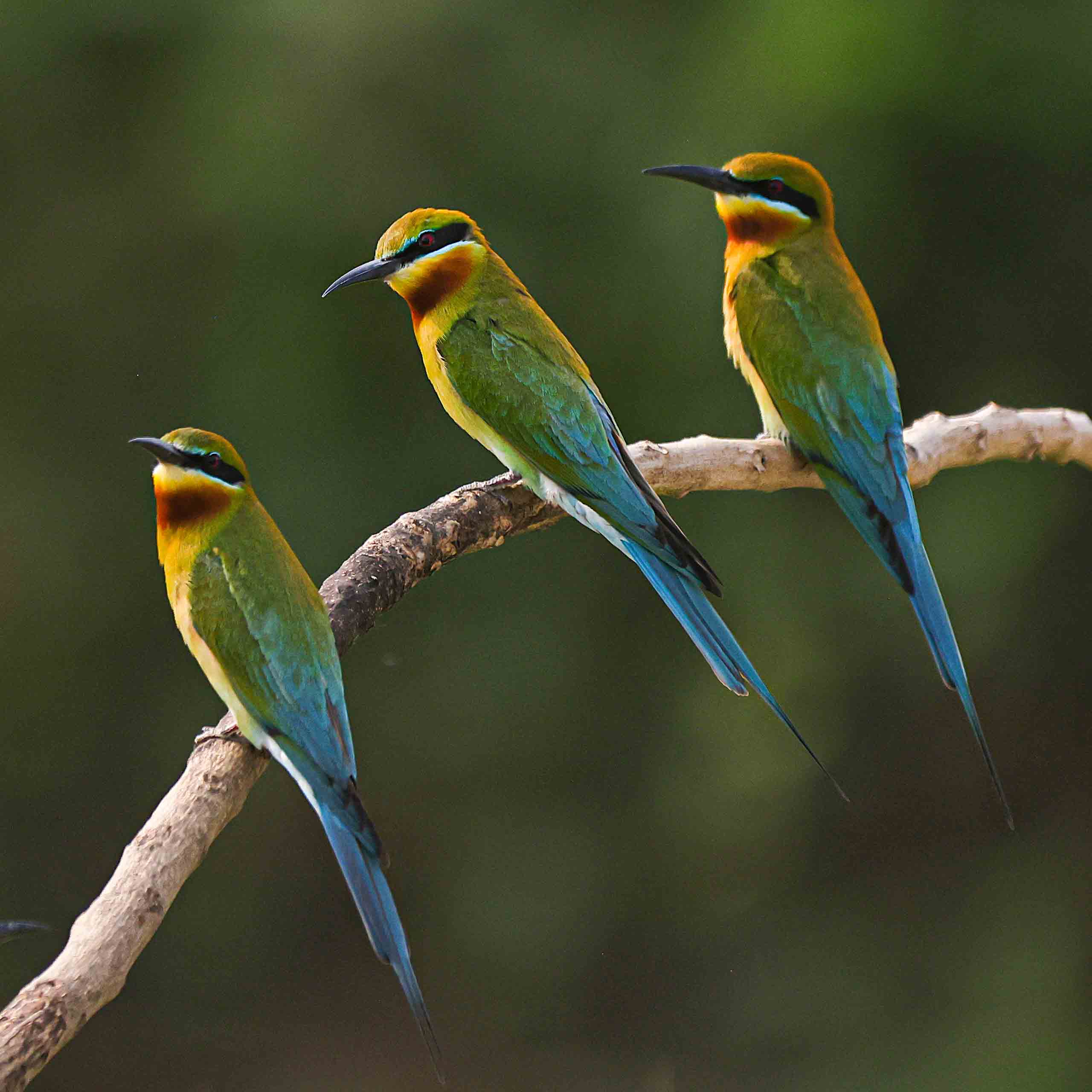
Highly social, often perching in groups.
Agile hunters, launching from perches to catch insects.
Restless and vocal, filling the air with harsh “trrr-trrr” calls.
Key Identification Features
To distinguish the Blue-tailed Bee-eater from other bee-eaters like the Green Bee-eater:
Longer, deeply forked blue tail streamers.
Golden-brown head and throat, instead of full green.
Slightly larger and more robust in size.
Usually found in larger flocks than their green cousins.
Tip: During the golden hour, their feathers glow under the soft sunlight, offering stunning visuals for photographers.
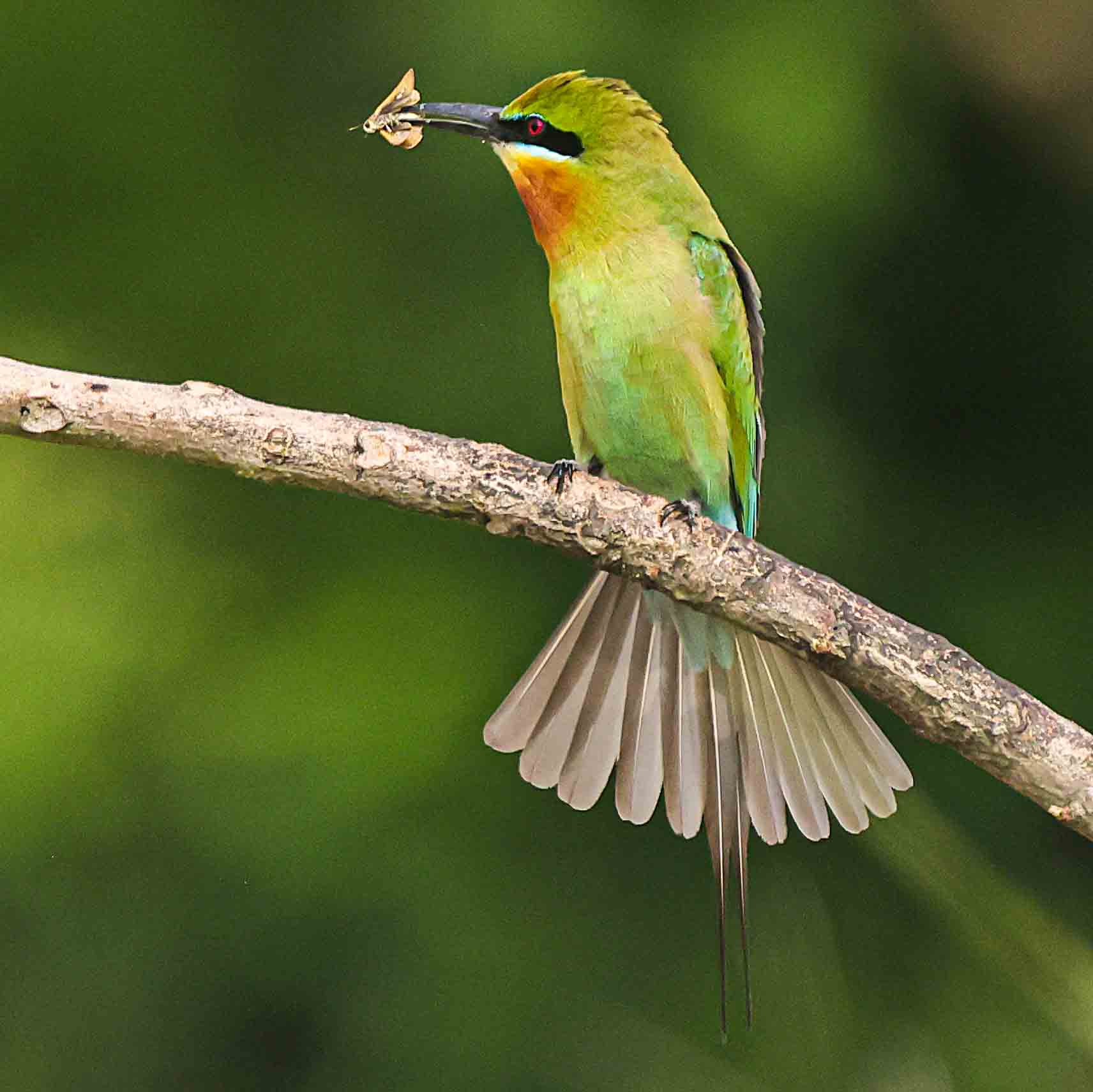
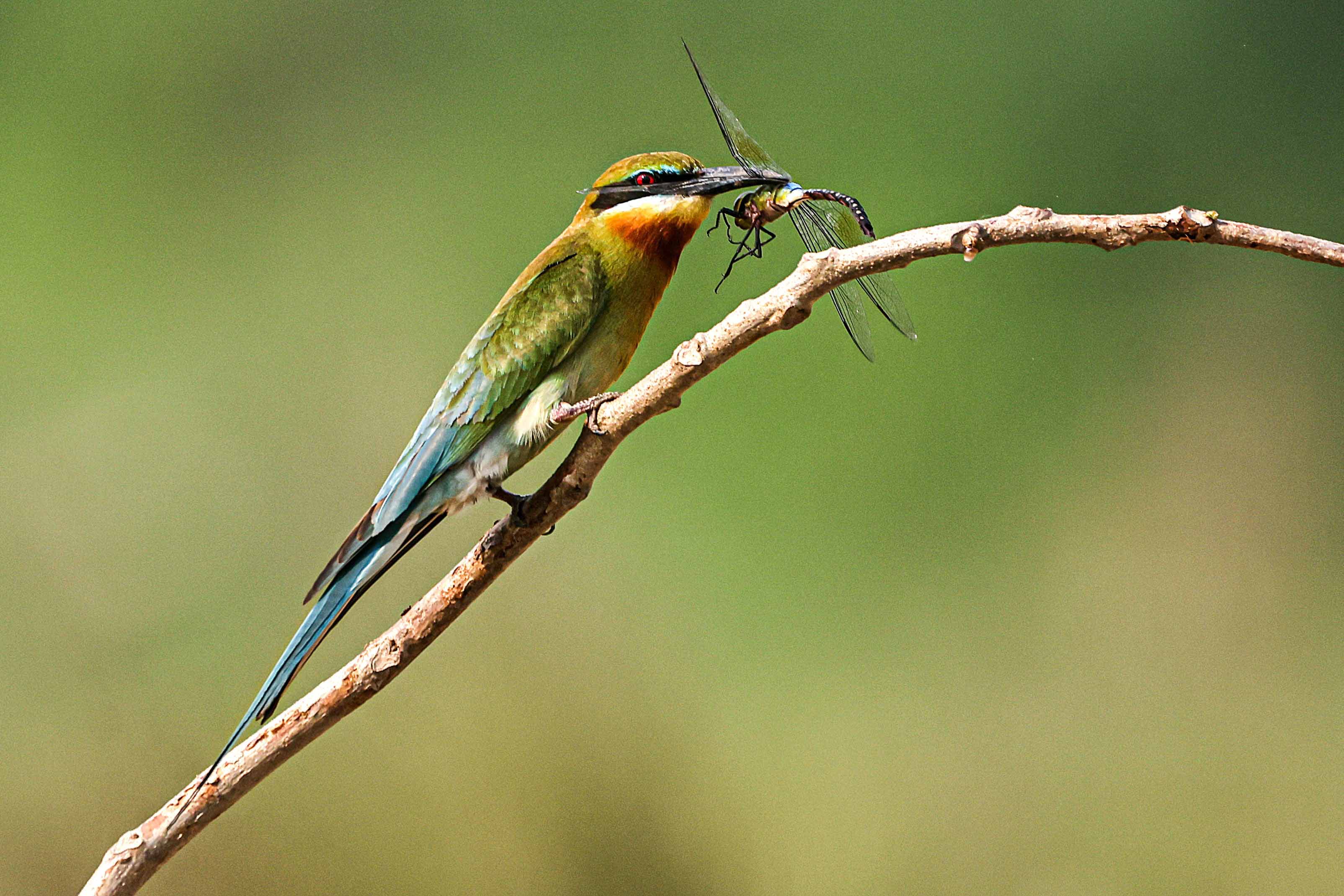
The Blue-tailed Bee-eater is a skilled aerial hunter, perfectly adapted to catch insects in flight. True to its name, this bird primarily feeds on bees, wasps, and dragonflies, but it also consumes butterflies, beetles, and other flying insects. Its slender, slightly curved beak is designed to snatch prey mid-air with remarkable precision.
Before eating, the Blue-tailed Bee-eater performs a fascinating behavior: it repeatedly beats stinging insects like bees and wasps against a perch to remove their venomous stingers. This ensures the meal is safe while showcasing the bird’s clever hunting strategy.
Unlike many birds, the Blue-tailed Bee-eater hunts in open skies, often flying high above rivers, wetlands, and fields where insect activity is abundant. It frequently returns to the same perch, making short forays to catch prey, a behavior known as “hawking.” This not only conserves energy but also provides excellent viewing opportunities for birdwatchers and photographers.
By preying on large numbers of insects, especially bees and wasps, the Blue-tailed Bee-eater plays an important ecological role in balancing insect populations.
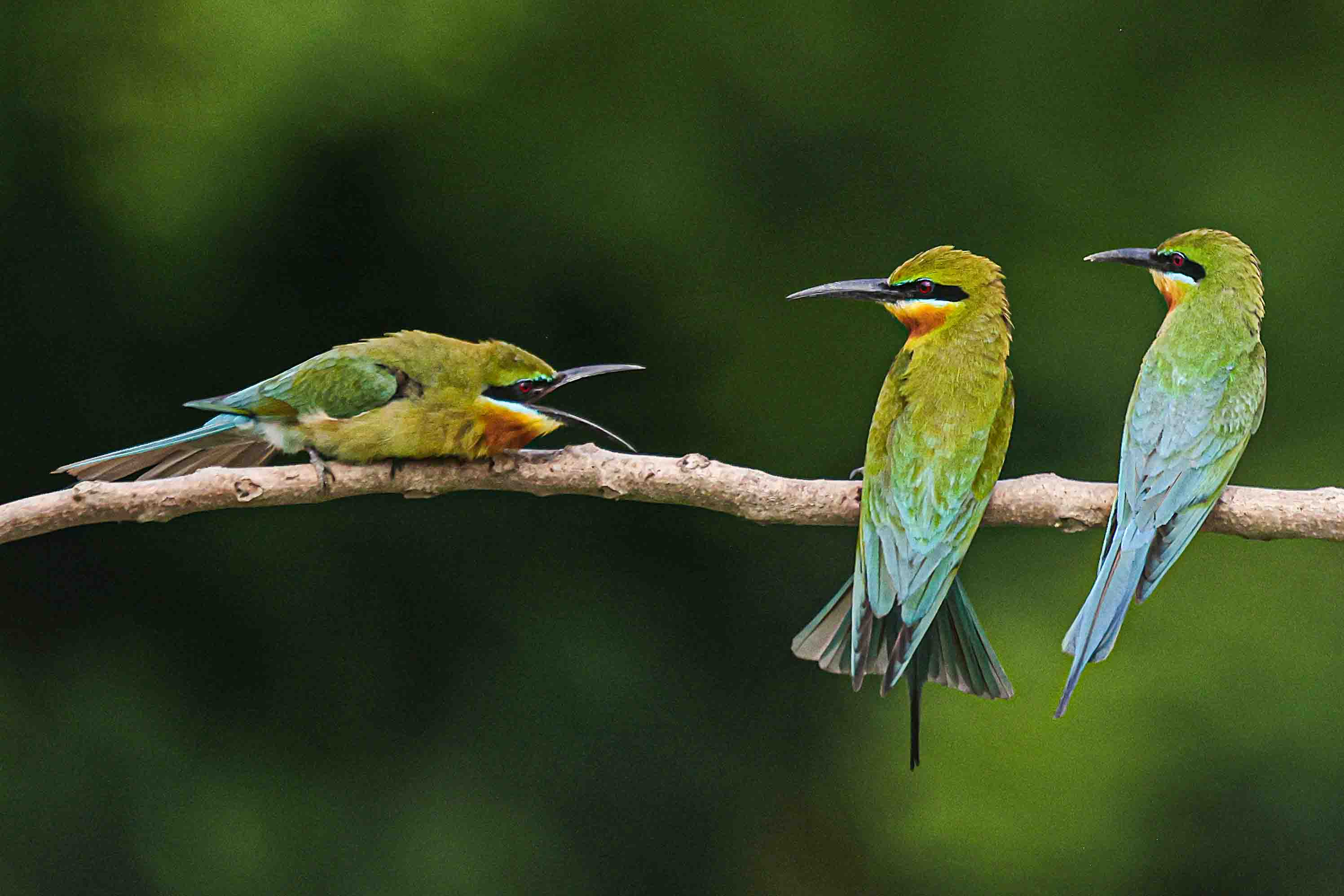
Blue-tailed Bee-eaters are widespread across the Indian subcontinent, Southeast Asia, and parts of East Asia. They prefer open landscapes that combine feeding grounds with suitable nesting sites.
Habitats: Sandy riverbanks, grasslands, wetlands, mudflats, agricultural fields, and coastal zones.
Geographical Range:
- India, Bangladesh, Nepal, Myanmar, Thailand, and Cambodia.
- Also recorded in southern China, Vietnam, and Indonesia.
Seasonal Movement: While largely resident, they undertake short migrations, often forming large flocks during passage.
These birds are especially abundant in riverine habitats during breeding season. Famous hotspots include:
Purbasthali, West Bengal – river islands ideal for colonies.
Kaziranga National Park, Assam – open grasslands.
Keoladeo Ghana (Bharatpur), Rajasthan – wetlands rich in insect life.
Chilika Lake, Odisha – a stopover site during migration.
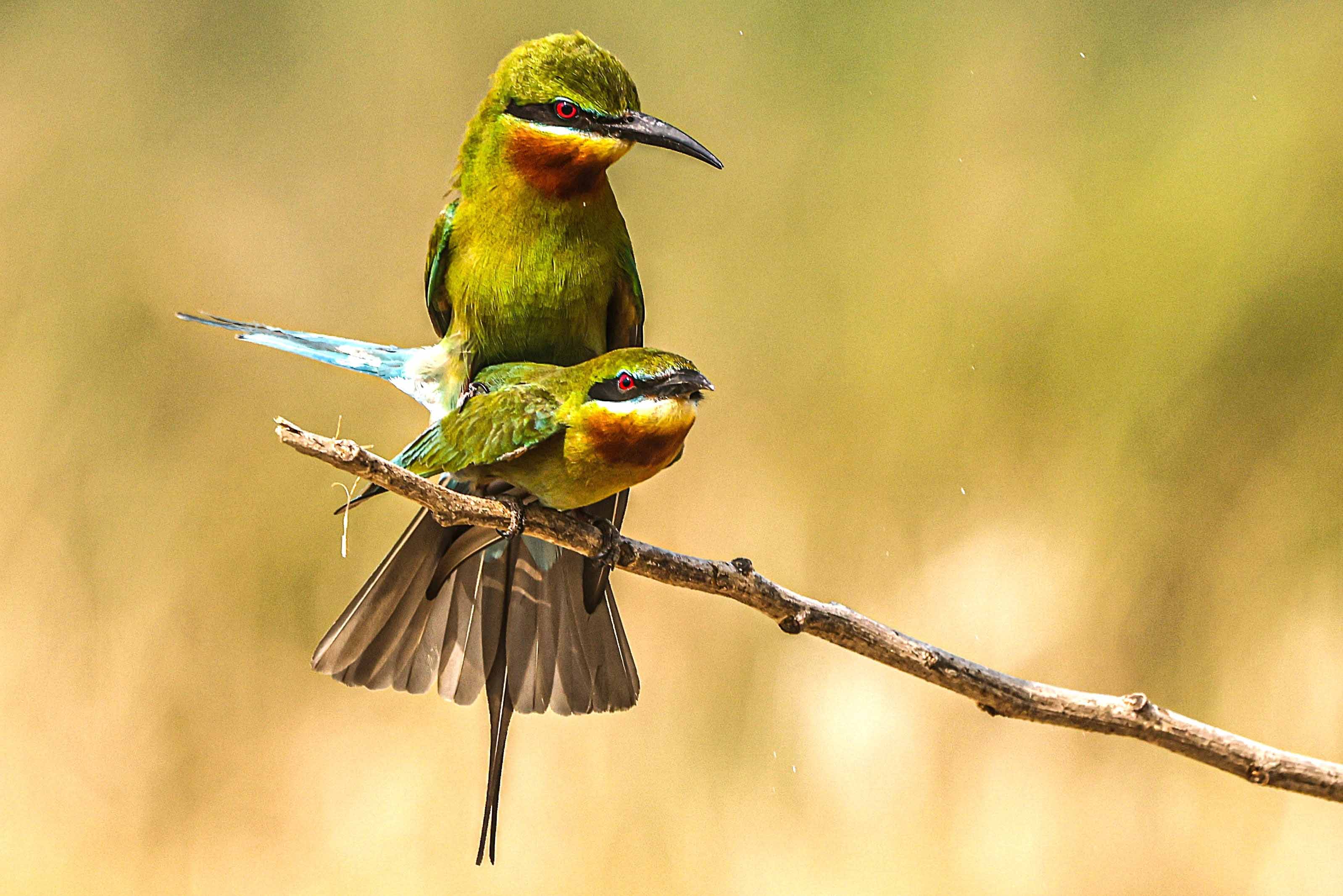
Blue-tailed Bee-eaters are social breeders, often nesting in colonies along sandy riverbanks or flat open fields. Here’s a closer look at their breeding lifecycle:
Breeding Season: March to June in India
Nest Type: A horizontal tunnel (1–2 meters long) dug in sandy banks
Eggs: 4–7 white eggs per clutch
Parental Roles: Both male and female share incubation and feeding duties
Colony Nesting: Multiple pairs may nest close together, forming dense colonies
Observation Insight: During the breeding season, you can often spot pairs engaging in courtship feeding or wing-fluttering displays.
Courtship Ritual
During breeding season (March–June in India), males put on elegant aerial shows:
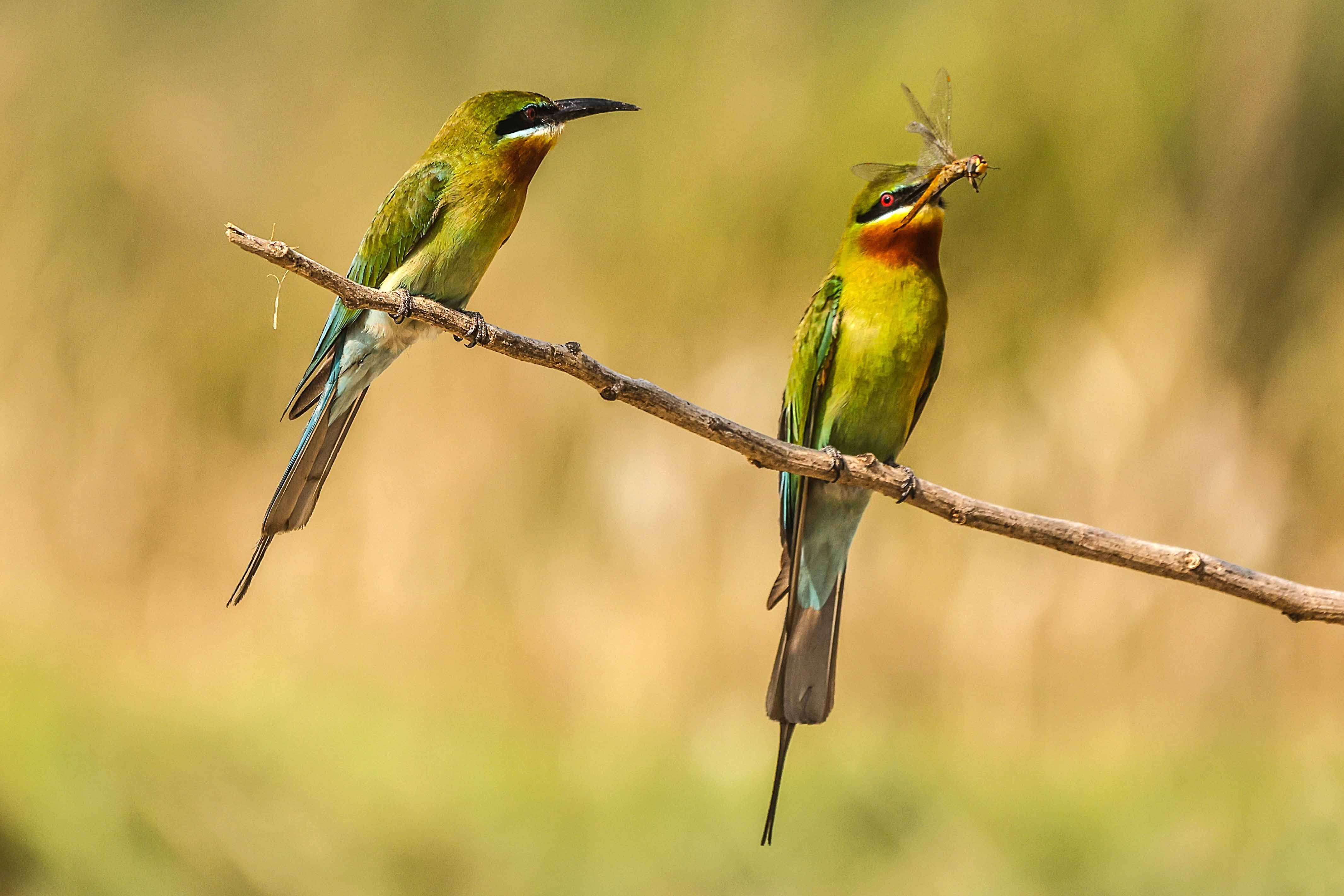
Courtship Feeding: Male offers a freshly caught insect to the female.
Aerial Chases: Males pursue females with graceful dives.
Wing-fluttering: A sign of bonding and acceptance.
These rituals strengthen pair bonds and prepare them for cooperative nesting.
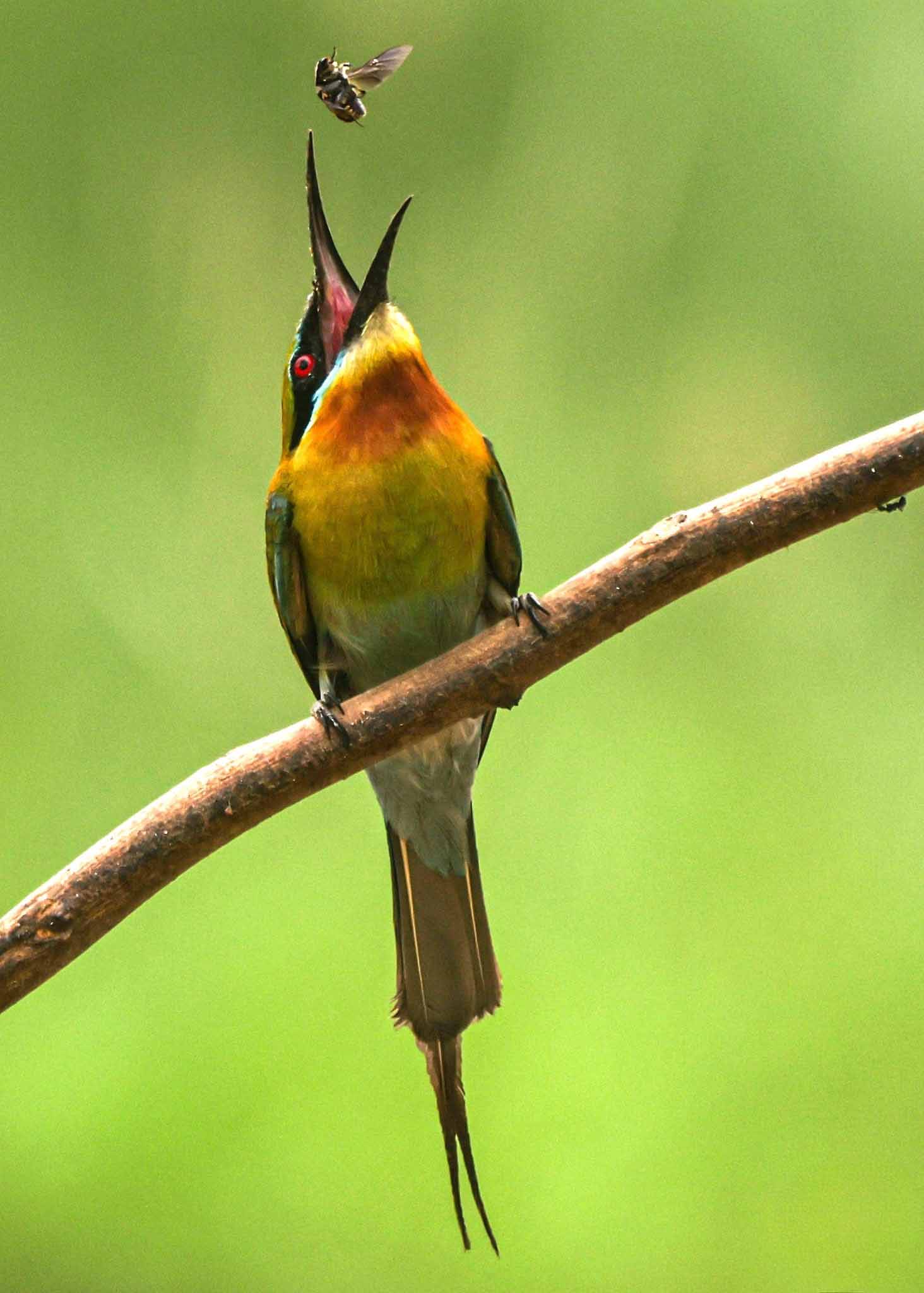
Photographing the Blue-tailed Bee-eater is a dream for many bird photographers. Its dazzling plumage, fast flight, and elegant perching habits create endless creative opportunities. To make your images stand out, follow these expert tips:
1. Best Time of Day
Golden Hours: Early mornings (6–9 am) and late afternoons (4–6 pm) are perfect, as the soft golden light makes the feathers of the Blue-tailed Bee-eater glow with emerald and turquoise hues.
During breeding season (March–June), they become more predictable, returning to the same perch repeatedly — an advantage for photographers.
2. Choosing the Right Gear
Telephoto Lens: A lens of 300mm or longer is essential to capture sharp, close-up shots without disturbing the bird.
Camera Settings:
- Shutter Speed: 1/1600s or faster to freeze mid-air hunts.
- Aperture: f/5.6–f/8 to balance sharpness and background blur.
- ISO: Adjust depending on light, but keep it low for noise-free shots.
Tripod or Monopod: Useful for long waits at nesting colonies or open perches.
3. Mastering Perch Strategy
The Blue-tailed Bee-eater often uses the same perch to scout insects. Observe patiently, pre-focus on that branch, and wait:
Capture action when the bird flips prey mid-air before swallowing.
Photograph its wing-fanning behavior after a successful catch.
Use burst mode for a sequence of flight shots, especially during courtship feeding.
4. Creative Lighting and Angles
Backlighting: At sunrise or sunset, shoot against the light to create a glowing outline around the bird’s slender form.
Low-Angle Shots: Position yourself at eye level to emphasize its red eyes and long tail streamers.
Environmental Portraits: Instead of just close-ups, frame the Blue-tailed Bee-eater against its natural habitat — sandy riverbanks, wetlands, or open fields — for storytelling images.
5. Anticipating Flight Shots
These birds are fast and acrobatic. Anticipate take-off by watching subtle body movements, such as crouching before launching.
Pre-focus slightly ahead of the perch to capture sharp in-flight hunting moments.
High-speed continuous mode helps freeze dragonfly chases mid-air.
6. Ethical Bird Photography
Keep a respectful distance — never approach too close to nesting burrows.
Wear camouflage or earth-toned clothing to blend with surroundings.
Avoid loud noises and sudden movements that could stress breeding pairs.
Remember: a great wildlife photo is about patience, respect, and timing.
7. Telling a Story Through Images
Capture courtship feeding, when the male offers an insect to the female.
Document colony life, where dozens of tunnels dot sandy banks.
Combine wide-angle shots of their colonies with close-up portraits for a complete narrative of the Blue-tailed Bee-eater’s life.
✨ Pro Tip:
- Always pre-focus on the perch of a Blue-tailed Bee-eater — they return to the same spot, giving you sharp action shots.
- Use golden hour backlightingto make the Blue-tailed Bee-eater’s emerald and blue feathers glow like jewels in your frame.
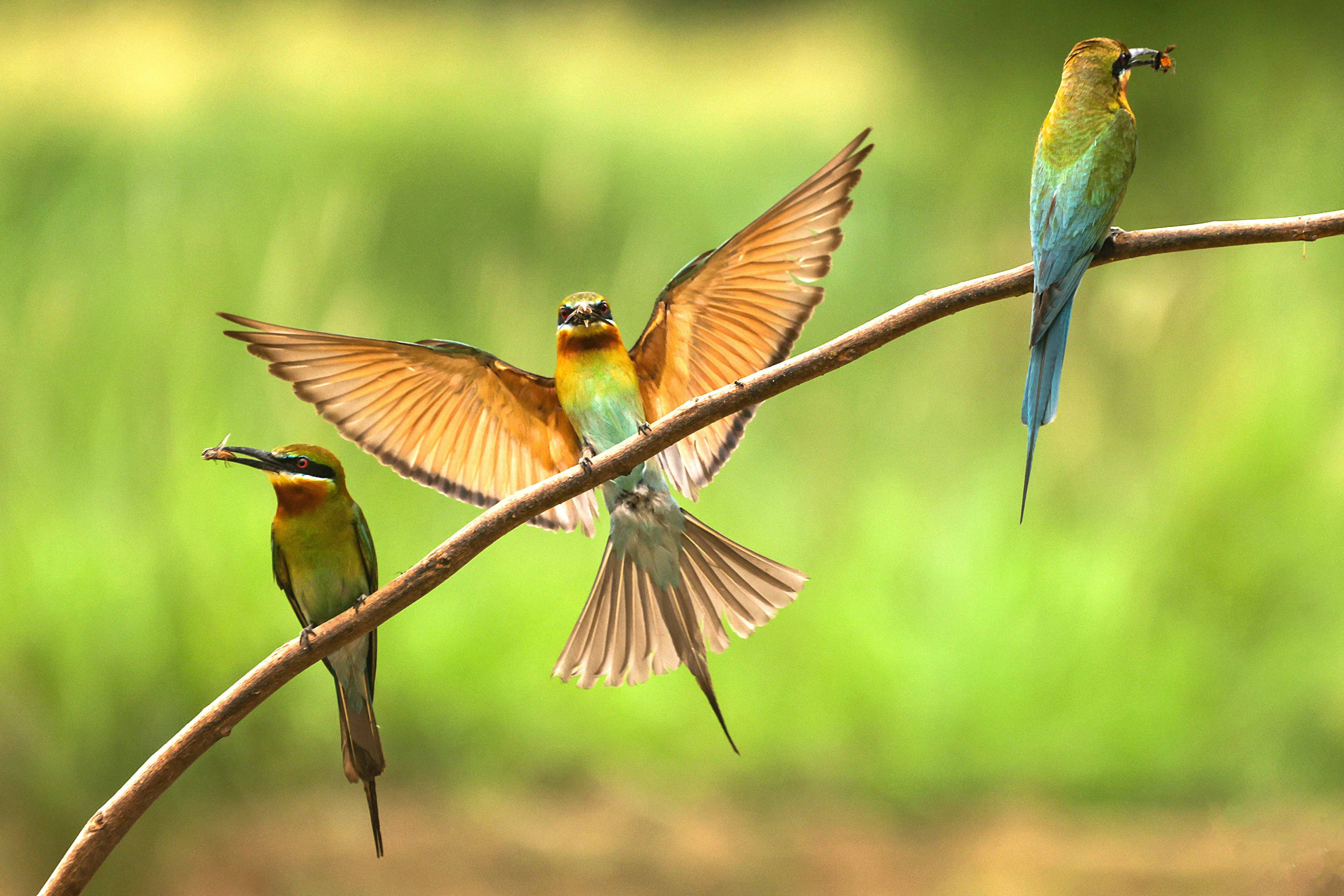
The Blue-tailed Bee-eater (Merops philippinus) is currently classified as Least Concern by the International Union for Conservation of Nature (IUCN). This status reflects its wide distribution across Asia and stable global population. However, being listed as “Least Concern” does not mean the species is free from threats. Their nesting grounds and feeding habitats are increasingly at risk due to human activities.
Key Threats
Habitat Destruction
Sand mining and riverbank erosion threaten their nesting colonies, which rely on soft sandy soil for tunnel burrows.
Expanding agriculture and urban development are replacing grasslands and wetlands, reducing available feeding grounds.
Pesticide Use
The heavy use of chemical pesticides in farmlands has led to a decline in insect populations, directly affecting the diet of Blue-tailed Bee-eaters.
Poisoned insects may also harm the birds when consumed.
Disturbance During Breeding
Human intrusion, photography pressure, and eco-tourism at colonies can cause birds to abandon nests, leading to egg loss.
Climate Change
Changes in rainfall and weather patterns alter insect availability and migration timing, disrupting their natural cycles.
Why Conservation Matters
Blue-tailed Bee-eaters play an important ecological role as natural pest controllers.
Protecting their colonies helps safeguard entire riverine and wetland ecosystems.
Conservation awareness can transform them into a flagship species, encouraging local communities to protect their habitats.
Preserving this jewel of the tropics ensures that its vibrant aerial displays will continue to inspire photographers, birdwatchers, and nature lovers for generations to come.
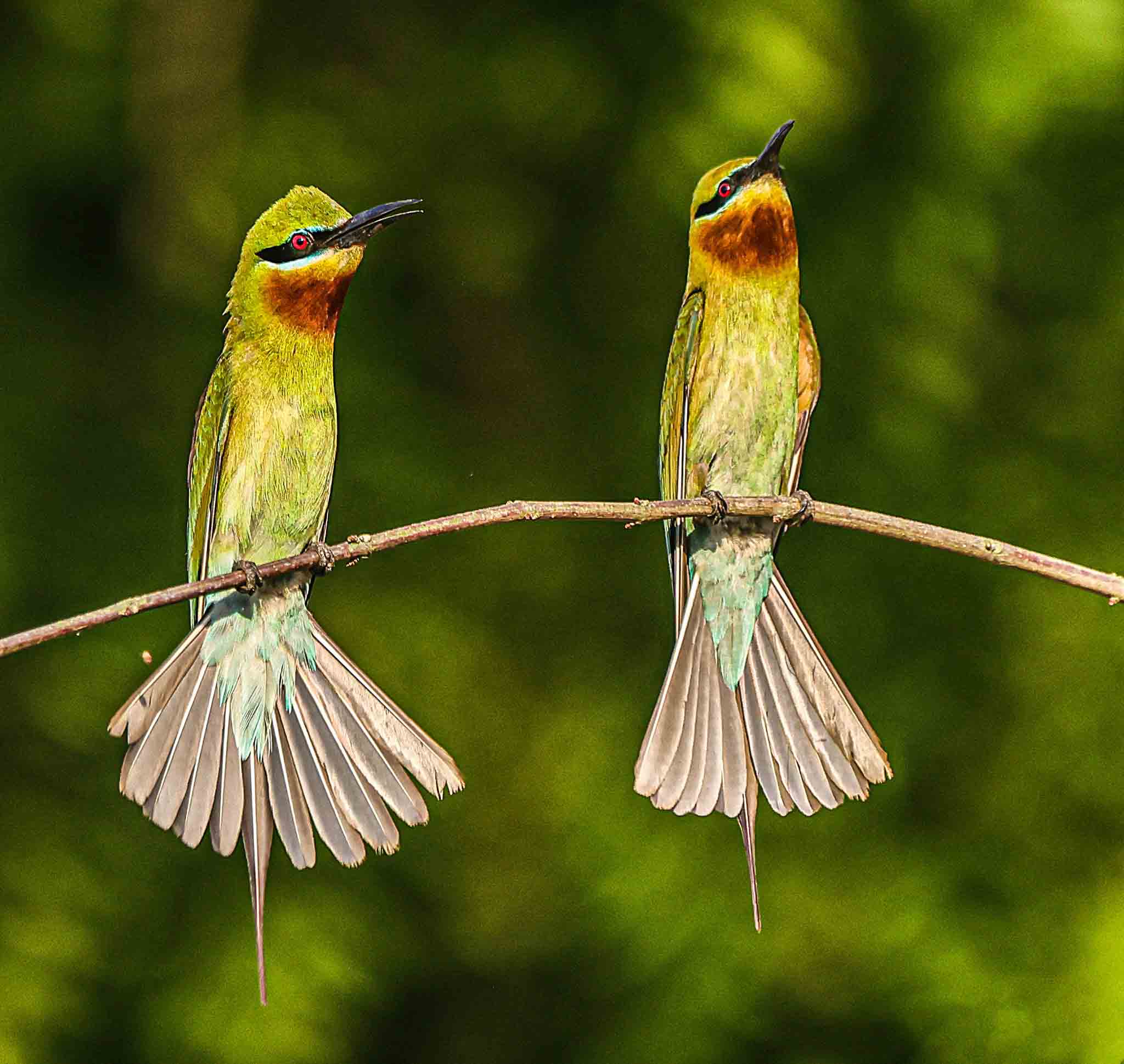
Documenting the Blue-tailed Bee-eater through photography, writing, and research serves a purpose far greater than personal satisfaction. Every image, field note, or article becomes a small but powerful contribution to conservation awareness and environmental education.
1. Raising Awareness
When photographers and writers share stunning visuals and stories of the Blue-tailed Bee-eater, it sparks curiosity and admiration. This attention helps highlight the fragility of their habitats and the urgent need for protection.
2. Scientific Value
Consistent documentation of their feeding habits, breeding success, and migration patterns helps researchers track population health and detect early signs of decline. Citizen science platforms like eBird benefit greatly from such records.
3. Inspiring Responsible Tourism
Wildlife photographs of Blue-tailed Bee-eaters encourage eco-tourism in regions like Kaziranga, Bharatpur, and Chilika Lake. Ethical tourism generates income for local communities while creating incentives to protect habitats instead of exploiting them.
4. Connecting People with Nature
In a digital age where people are increasingly disconnected from the wild, documenting the Blue-tailed Bee-eater provides a visual bridge. It reminds people that nature’s beauty exists beyond screens and cities, deserving respect and conservation.
5. Legacy for Future Generations
The photographs, articles, and documentaries created today will serve as an archive for tomorrow. They ensure that even if habitats change, the story of the Blue-tailed Bee-eater will endure as a symbol of biodiversity.
✨ In short: Documenting the Blue-tailed Bee-eater is not just about aesthetics. It is about conservation, science, culture, and legacy — a way to protect what is beautiful while inspiring people to act for nature.
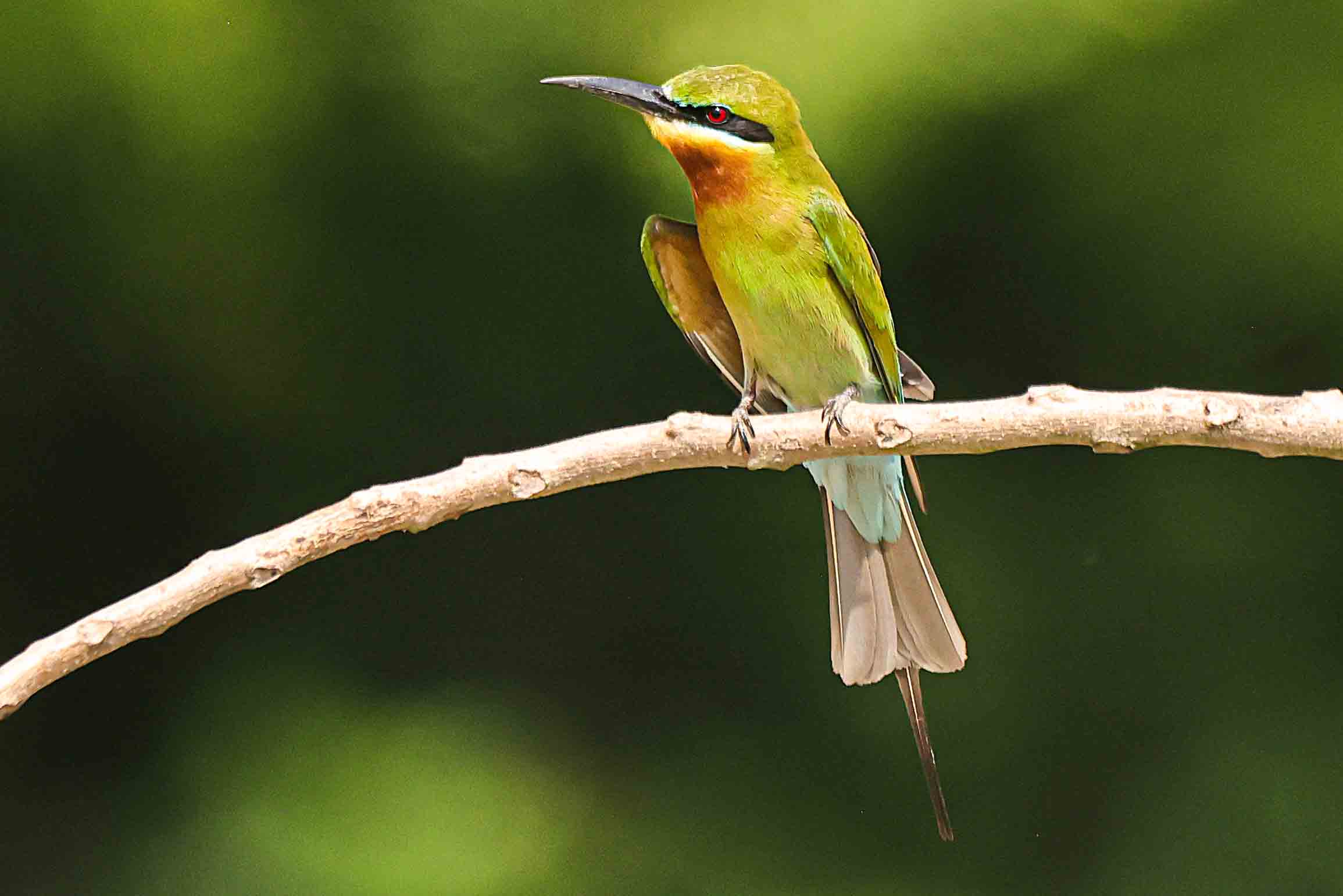
The Blue-tailed Bee-eater is not only admired for its dazzling plumage and graceful flight but also holds deep cultural significance in many regions across Asia. In rural communities, this bird is often regarded as a symbol of freedom, grace, and persistence, qualities reflected in local traditions and beliefs. Farmers value the Blue-tailed Bee-eater as a natural ally, since its appetite for bees, wasps, and other insects helps control populations that might otherwise affect crops.
In folklore and storytelling, the Blue-tailed Bee-eater frequently appears as a messenger of change and resilience. Its seasonal migrations are seen as a sign of nature’s rhythm, reminding communities of the balance between human life and the environment. In several cultures, its vibrant colors have also inspired poetry, folk songs, and proverbs that celebrate beauty, harmony, and perseverance.
Beyond its symbolic role, the Blue-tailed Bee-eater has an ecological impact that strengthens its cultural value. By dispersing seeds indirectly and managing insect populations, it supports agricultural practices in many traditional farming communities. For birdwatchers, photographers, and nature lovers, spotting this species has become a highlight of eco-tourism, further reinforcing its status as both a cultural treasure and a natural guardian of biodiversity.
Did you know?
Bee-eaters are clever hunters — the Blue-tailed Bee-eater removes stingers from bees and wasps by striking them against a perch before swallowing.
Despite its name, this bird doesn’t only eat bees; it also catches dragonflies, butterflies, beetles, and other flying insects, showing its versatile diet.
With their agile wings, they can hover mid-air before striking prey, a hunting style that fascinates birdwatchers and photographers alike.
During seasonal migration, Blue-tailed Bee-eaters gather in huge flocks of hundreds, filling the sky with flashes of green, blue, and chestnut.
Their vibrant plumage glows even brighter in sunlight, making them one of the most photogenic bee-eaters across Asia.
Blue-tailed Bee-eaters are known for their communal nesting in sandy riverbanks and open fields, where dozens of pairs breed together in colonies.
Their migratory journeys can span thousands of kilometers, connecting wetlands, rivers, and farmlands across continents.
In many cultures, the Blue-tailed Bee-eater is seen as a symbol of joy and resilience, inspiring local folk songs and poetry.
These birds play a key ecological role by keeping insect populations balanced, indirectly benefiting farming communities.
Spotting a flock of Blue-tailed Bee-eaters during migration is considered a lucky sighting among birdwatchers.
Q1: What is the Blue-tailed Bee-eater known for?
The Blue-tailed Bee-eater is famous for its vibrant plumage, sky-blue tail feathers, and acrobatic hunting style. It is often seen catching bees, wasps, and dragonflies mid-flight, making it a favorite among birdwatchers and photographers.
Q2: Where can I see Blue-tailed Bee-eaters in India?
You can spot Blue-tailed Bee-eaters in Purbasthali (West Bengal), Kaziranga National Park (Assam), Keoladeo Ghana National Park (Rajasthan), and around Chilika Lake (Odisha). These habitats provide ideal nesting grounds along sandy riverbanks and wetlands.
Q3: How do Blue-tailed Bee-eaters differ from Green Bee-eaters?
While both are colorful and agile, the Blue-tailed Bee-eater is larger, has longer tail streamers, a blue rump, and a golden-brown throat and crown. In contrast, the Green Bee-eater has an overall green body and is smaller in size.
Q4: What do Blue-tailed Bee-eaters eat?
Their diet mainly consists of bees, wasps, butterflies, and dragonflies. Before swallowing, Blue-tailed Bee-eaters strike bees and wasps against a perch to remove stingers — a unique adaptation that makes them efficient insect hunters.
Q5: Are Blue-tailed Bee-eaters migratory?
Yes, Blue-tailed Bee-eaters are partly migratory. They form large flocks during seasonal movements, especially after the breeding season, and are often seen in groups flying over wetlands and grasslands.
Q6: What is the breeding season of the Blue-tailed Bee-eater?
In India, their main breeding season is from March to June. They nest in colonies by digging tunnels in sandy riverbanks, where both parents share incubation and chick-rearing duties.
Q7: Why are Blue-tailed Bee-eaters important for ecosystems?
By feeding on flying insects, Blue-tailed Bee-eaters help control pest populations naturally. Their presence indicates a healthy ecosystem, and protecting their habitats benefits overall biodiversity.
Q8: How can photographers ethically capture Blue-tailed Bee-eaters?
Photographers should maintain distance, use telephoto lenses, avoid disturbing nesting colonies, and practice eco-friendly bird photography. Capturing Blue-tailed Bee-eaters in natural light during golden hours ensures breathtaking results without harming the species.
The Blue-tailed Bee-eater is one of the most captivating tropical birds, admired for its dazzling plumage, swift aerial skills, and fascinating breeding behavior. From sandy riverbanks to lush wetlands, it adds a splash of color and life to the ecosystems it inhabits.
For birdwatchers, it offers thrilling sightings; for photographers, it presents endless opportunities to capture dramatic flight shots and courtship rituals. Beyond its beauty, this species plays a vital ecological role by controlling insect populations, making it a true ally of nature.
However, increasing threats such as sand mining, habitat destruction, and pesticide use highlight the importance of conservation and responsible photography. By documenting and sharing their story, we contribute to raising awareness and ensuring that future generations can admire these vibrant birds in the wild.
Next time you hear the sharp call of a Blue-tailed Bee-eater or glimpse its shimmering tail cutting across the sky, remember — you are witnessing one of nature’s most skillful hunters and a symbol of tropical biodiversity.
Recent Comments